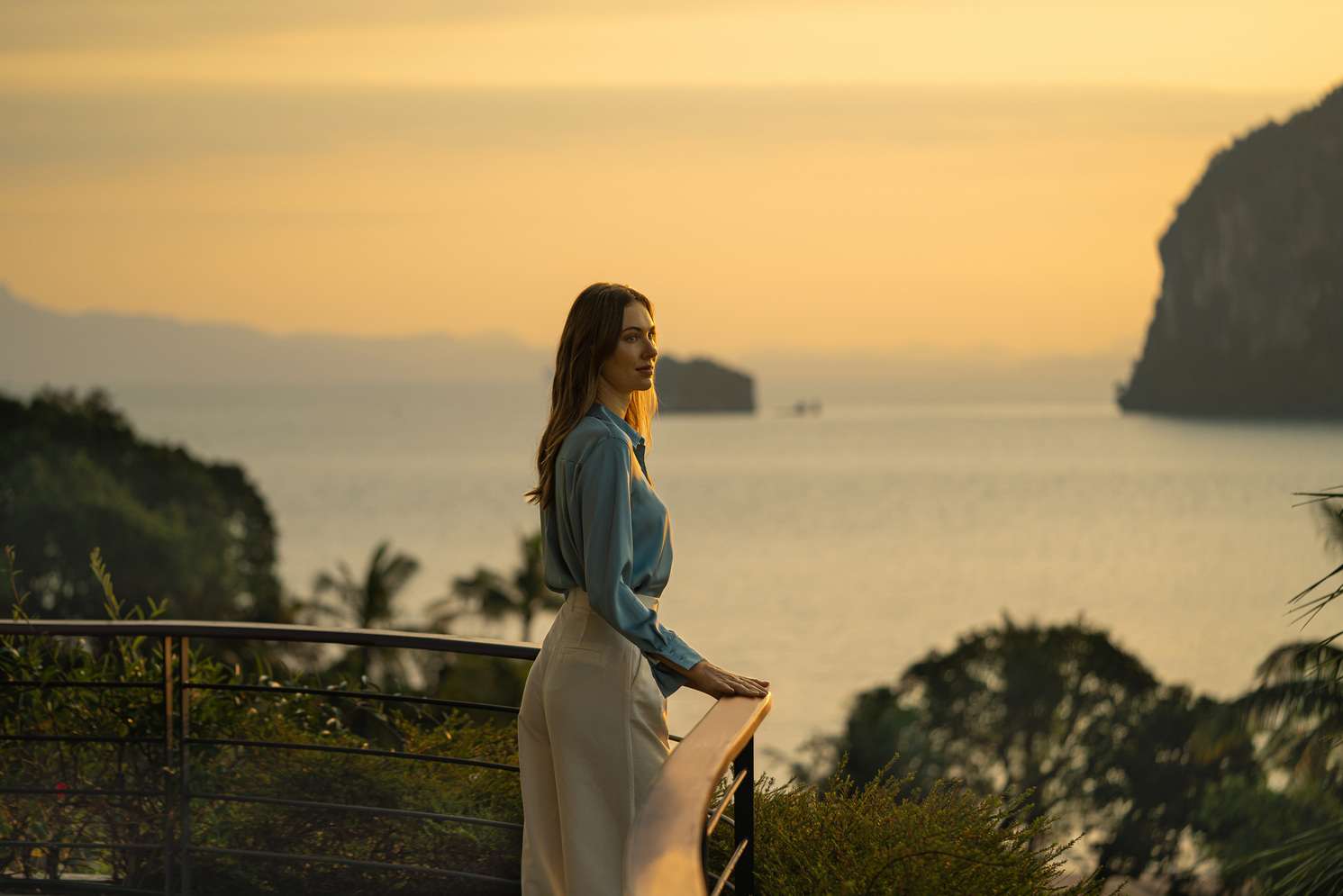
Anantara Koh Yao Yai Resort & Villas
For some, a holiday begins with a blaring alarm followed by a rush to the airport and a scalding coffee swallowed while standing in the luggage drop-off queue. For others, the beginning of that blissful stretch of time called vacation means waking up gently to birdsong, sipping coffee on a balcony and wandering down an unfamiliar street with no plan whatsoever.
It should come as no surprise that most travellers fall into the latter camp. For the Minor Hotels Trends Report 2027, we surveyed 716 adults who have opted to receive Minor Hotels newsletters, including 206 luxury travellers who had stayed at Anantara Hotels & Resorts, Elewana Collection or Tivoli Hotels & Resorts in the past 12 months. We also compared the findings with our travel behaviour survey from 2025 to see how habits have shifted.
The appetite for travel is clearly still strong, with a whopping 96% planning to travel as much or more in the year ahead. The report also reveals just how much thought goes into planning a holiday that could become the stuff of watercooler lore.
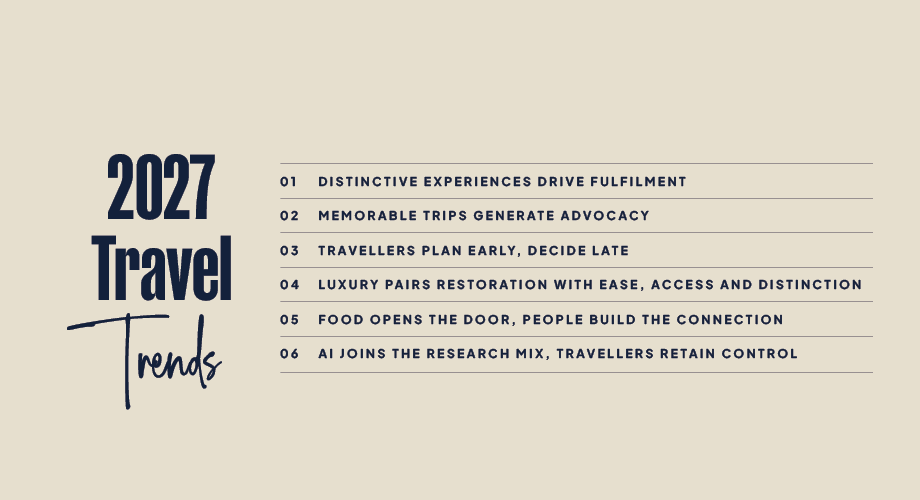
2027 Travel Trends
The report identifies six travel trends that will define travel in 2026, both before take-off and after touching down. And if you have ever wondered what kind of traveller you are, our guide to the five types of travellers is a good place to start.
Jump to:
1. Distinctive Experiences Drive Fulfilment
2. Memorable Trips Generate Advocacy
3. Travellers Plan Early, Decide Later
4. Luxury Pairs Restoration with Ease, Access and Distinction
5. Food Opens the Door, People Build the Connection
6. AI Joins the Research Mix, Travellers Retain Control
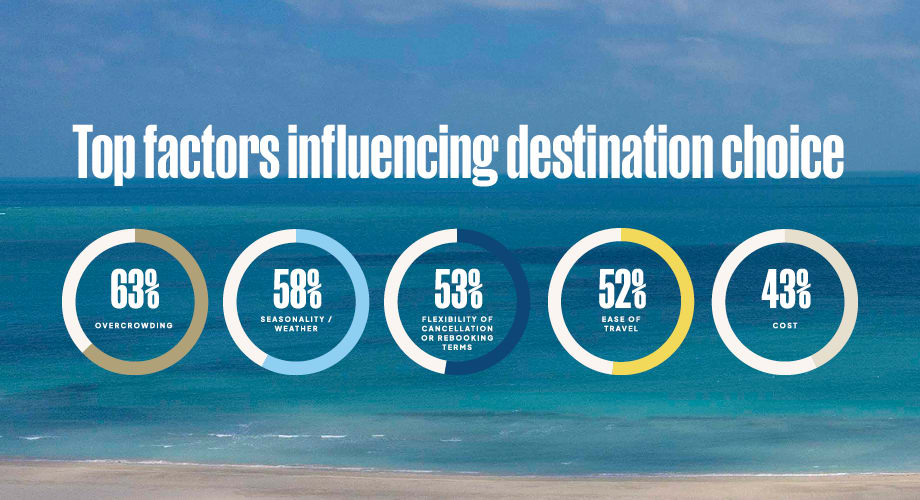
Top Influencing Factors for Picking a Destination
Far from the Madding Crowd
Anyone who has ever tried exploring the Sistine Chapel or Machu Picchu in high season knows how hard it is to feel moved or awed while having your feet trodden on. Overcrowding now tops the list of things that influences travel decisions, ahead of the weather and the price, and nearly two-thirds of travellers are eyeing up lesser-known places instead.
Great news for third-tier cities and wild beaches? Yes, but only if it doesn’t take two days and three different modes of transport to get there.
Slow Down, Look Up, Go Further
When going off grid feels like too much effort, simply slowing down can have much the same effect. Rather than racing between the coolest neighbourhoods and queueing outside the trendiest matcha cafes from 6.00 am, more travellers are taking their cues from the locals by staying put, sharing a place at the breakfast counter each morning with the same familiar faces and embracing a few more principles from our guide to slow travel.
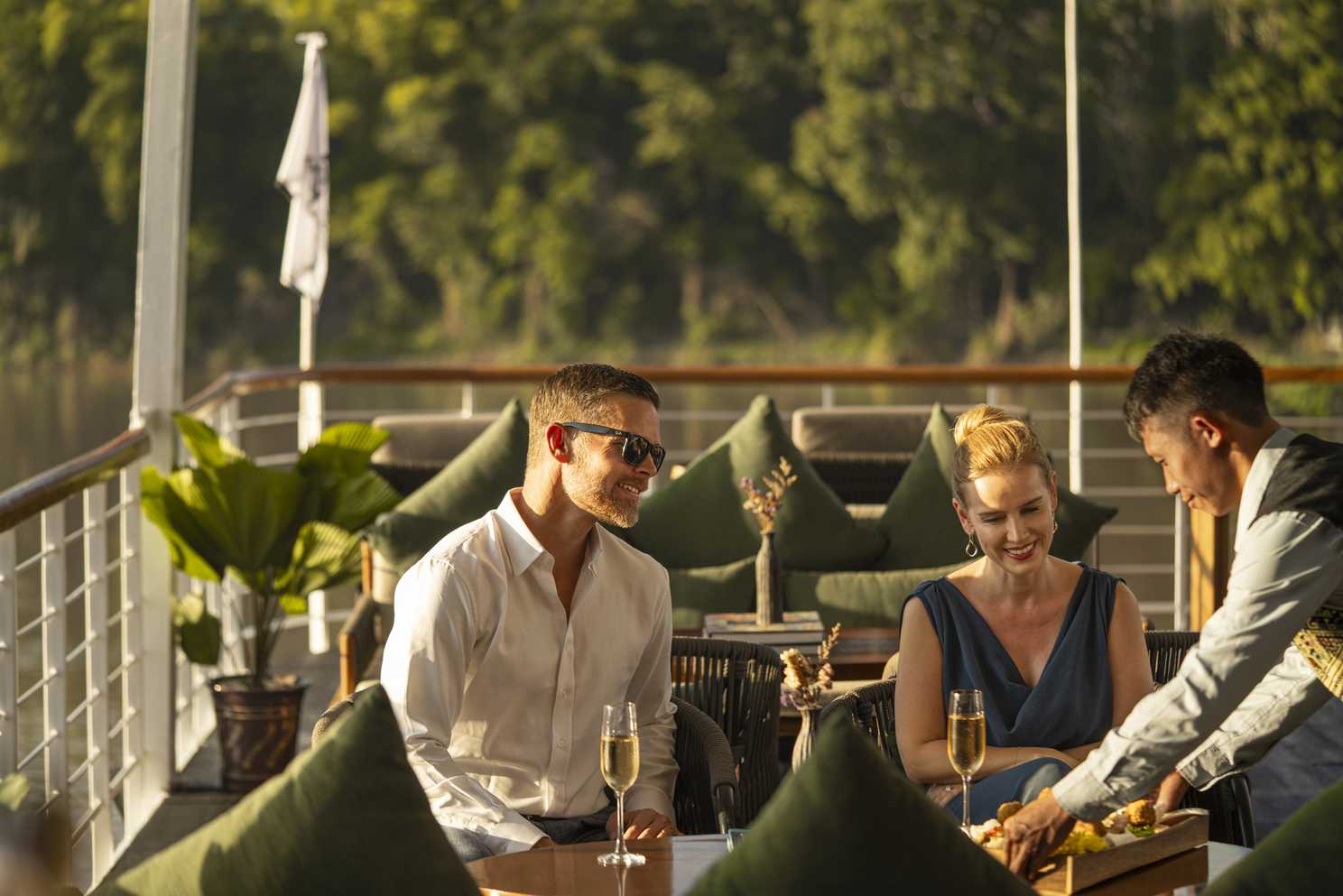
Bohème River Cruise by Mekong Kingdoms
With Mekong Kingdoms’ Bohème experience, guests get the best of both worlds. Living aboard a luxury riverboat, there is no need to repeatedly unpack and repack as the journey meanders up the Mekong from Vientiane to Luang Prabang, stopping at all the beauty spots along the way.
Second-tier cities are also having a moment, with places like Marseille, Rotterdam and Chiang Mai stealing the spotlight from their more established and glamorous siblings. At the seventh-floor sky bar at nhow Rotterdam, guests look directly onto the iconic Erasmusbrug Bridge, which attracts far fewer crowds than, say, Charles Bridge in Prague.
Sometimes it pays to look up instead of around. Stargazing holidays are drawing travellers to some of the darkest skies on the planet, like the stunning Aoraki Mackenzie International Dark Sky Reserve on New Zealand’s South Island. Just a few hours’ drive from Queenstown, where the new Avani Queenstown sits on the shores of Lake Wakatipu, travellers can swap city lights for galaxies of stars.
Some destinations are turning to creative ways of making wilderness easier for urbanites to navigate, like Serengeti Explorer by Elewana where a wildlife hide reached via a tunnel lets guests watch animals gather to drink from close quarters without ever leaving camp.
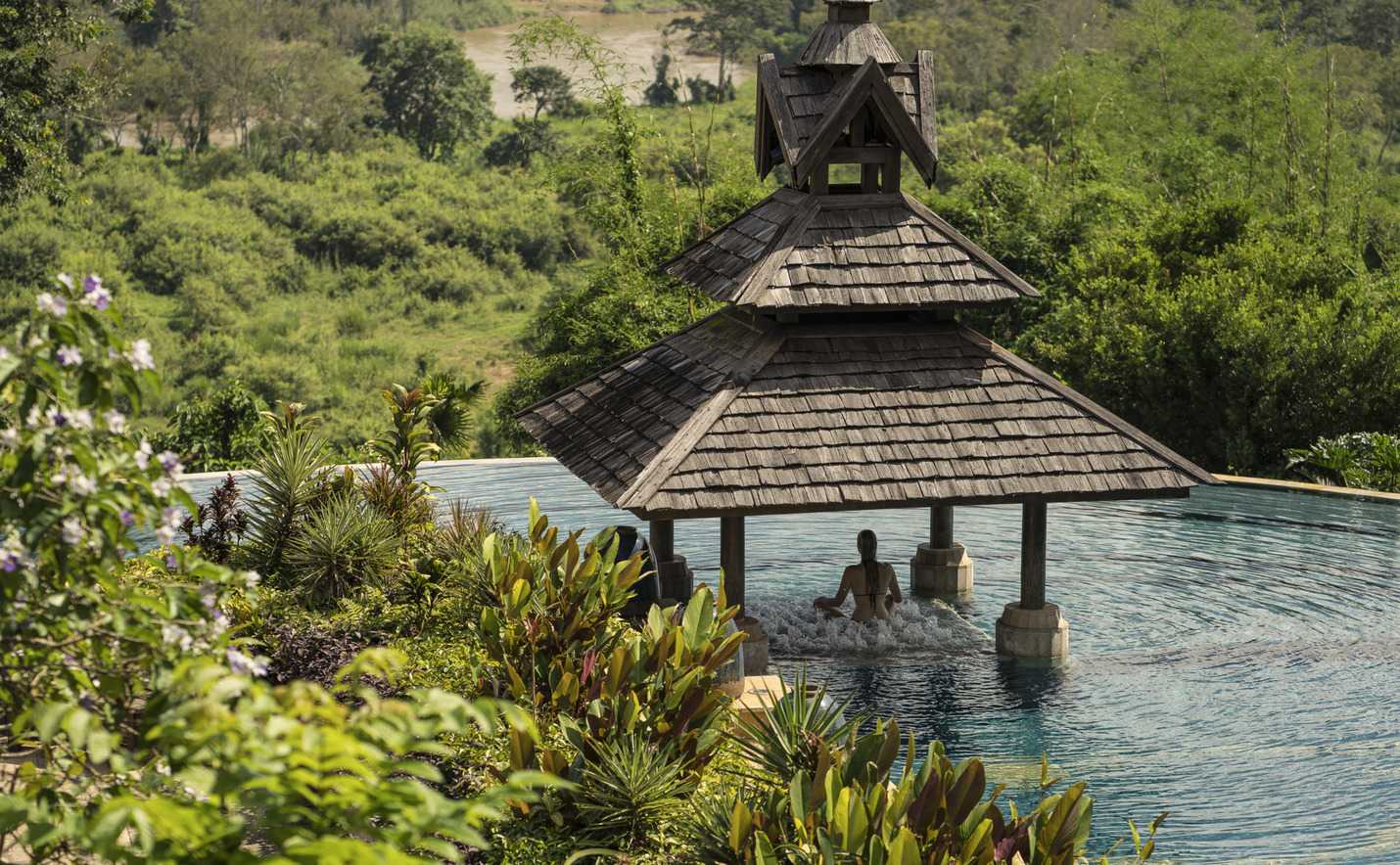
Anantara Golden Triangle Elephant Camp & Resort
No Company Expected
With almost a quarter of travellers now planning a solo trip, up from 16% a year earlier,
solo-friendly destinations are in high demand. The best ones come with cosy tables for one by the window rather than beside the kitchen door, clear safety information and experiences that are romantic because of the mood they create, not because they require a plus-one.
Taking you from Madrid to Hoi An, our guide to the joy of solo travel rounds up seven destinations perfect for first-time and seasoned solo travellers alike.
1. What Makes a Holiday Worthwhile?
It was certainly a relief to learn that according to our travel trends, most holidays deliver. 86% of travellers say their last trip was a success. But the holidays that really stole the show share one thing in common: a moment you simply could not have had at home.
In a way, that's what many of us travel for. Yet in a world of global coffee chains, streamed entertainment and international fashion brands, even flying across the world does not guarantee the feeling of seeing somewhere with fresh eyes. For that to happen, a little research must meet serendipity and openness to new experiences.
Yes, it requires a bit more work, but the effort does seem to pay off, with overall satisfaction rising from 79% to 92% among travellers who experienced one of these memorable moments.
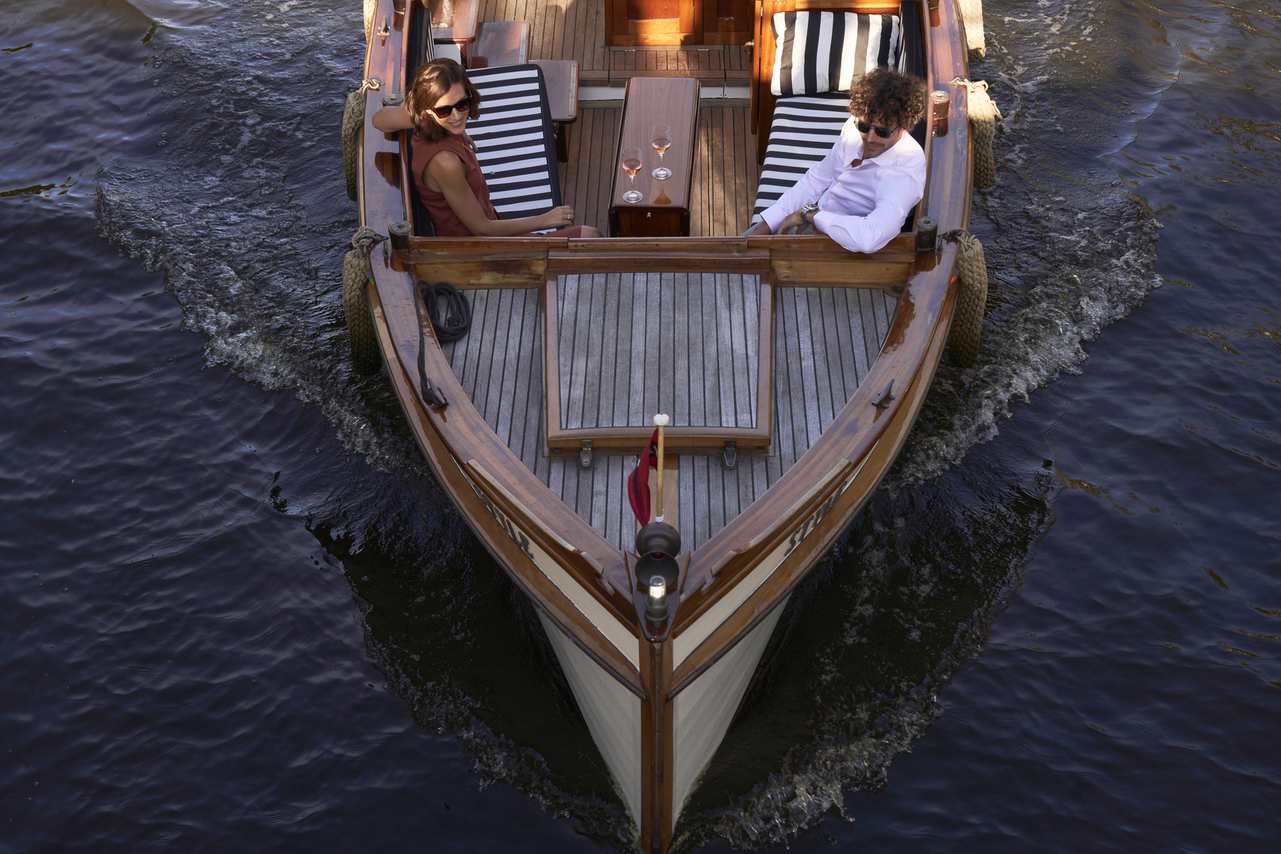
Sunset Gourmet Cruise Experience, Anantara Grand Hotel Krasnapolsky Amsterdam
Layered, not Packed
As with most things in life, moderation seems to be key. The happiest travellers allow for plenty of downtime and focus on just a handful of standout moments. Filling every hour with activities seems to have lots its appeal, with higher variety most closely correlated with satisfaction.
In other words, an early-morning workout in Bangkok's Lumphini Park, followed by a ride on a local commuter boat and a streetside snack will probably prove more memorable than following a ChatGPT-drafted itinerary through Talat Noi's alleyways to the letter.
Finding The Off Switch
Then there is the fine art of switching off. Our travel trends report show that those who are in holiday mode at the drop of the bucket hat and those still glued to their laptop on day three can be on the very same trip. But the first group, the quick switchers, do tend to come home noticeably happier.
Is there hope for the second group? A smoother arrival experience is one answer. When you are free to set your own check-in time and have breakfast in bed at 3:00am, as is the case with Anantara's Suite Time Privilege, a long-haul journey becomes far less of an ordeal.
Moving your body can also help quieten a racing mind. At Avani Museum Quarter Amsterdam, breathwork and movement workshops are set to electronic music, in a nod to Berlin’s underground music culture. At Anantara Lawana Koh Samui, fearsome Muay Thai fighters teach timid beginners in the rooftop gym overlooking Chaweng Beach. For more ways to switch off, see our guide to mindful movement
The great migration in Serengeti National Park
2. Tell Me How You Really Feel: Why Some Trips Get People Talking
Memorable trips are memorable because they give us something to look back on and talk about. Travellers who came home with "a story worth telling" were more than twice as likely to have had experienced a wow moment. Some are bucket-list experiences, like falling asleep in a transparent Jungle Bubble under the watchful eye of rescued Thai elephants, ordering sushi underwater as reef fish drift by beyond the glass, or witnessing the Great Migration from Elewana Serengeti Migration Camp, as wave after wave of wildebeest washes over a river crossing.
Then there are the quieter, more introspective moments that touch us on a deeper level, from joining locals in a water purification ritual in an 11th-century temple in Bali, or a moonlit walk through an ancient dry riverbed off the coast of Abu Dhabi. These are the kinds of places the guidebooks often overlook, as our look at Asia’s hidden corners shows.
Word of Mouth Still Wins
While some of these experiences end up on Reels, most stories reach their audience the old-fashioned way: watercooler, family group chat, dinner table and the like. Seven in ten travellers tell friends or family directly after a great trip, far more than share it online.
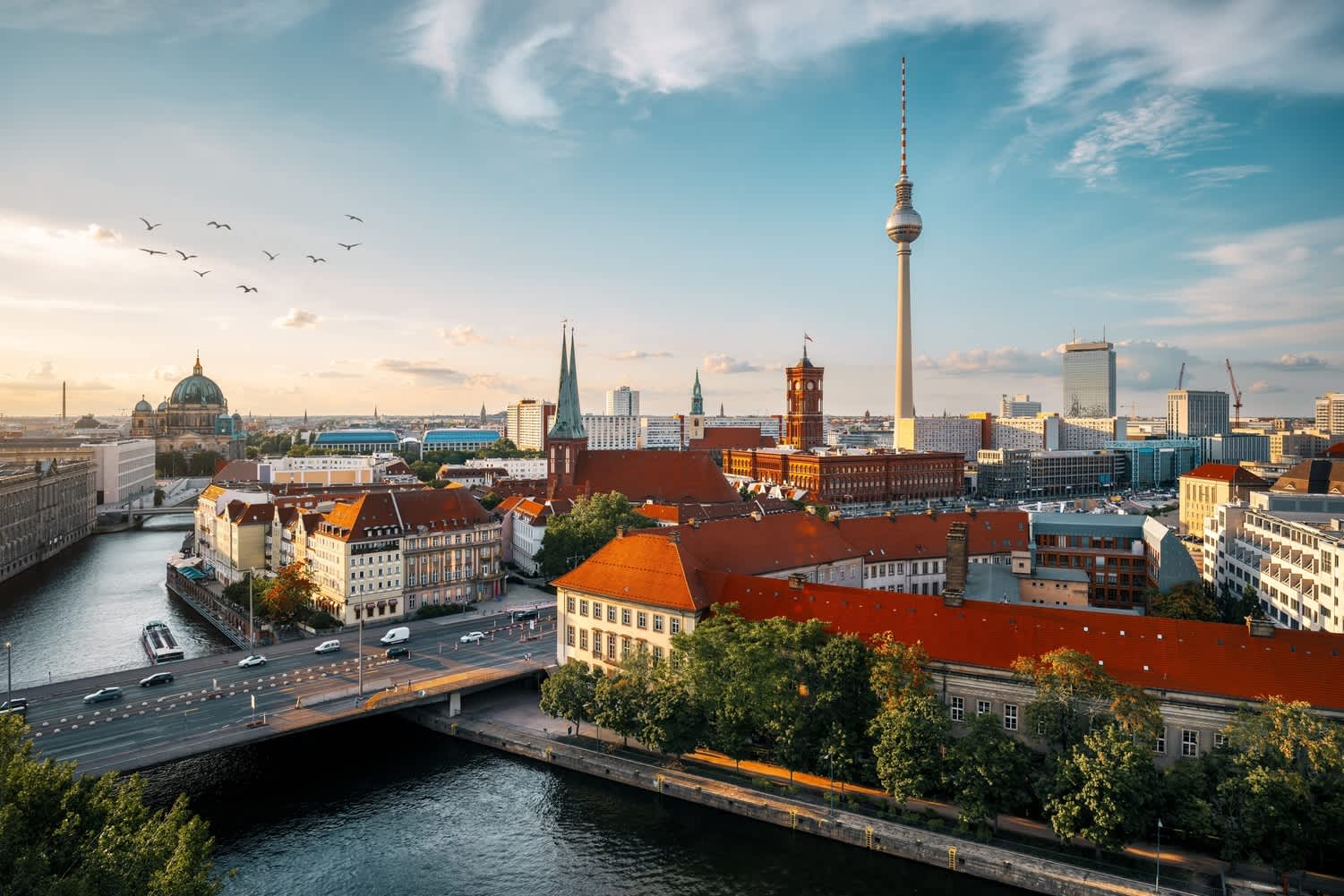
The city of Berlin
3. Concierge 2.0
Almost half of holidaymakers book more than three months ahead, but at least 84% continue deciding what to do and where to eat after they arrive. More than half turn to hotel staff and concierges for advice. Among luxury travellers that figure rises to nearly seven in ten.
Janina Pflaum who works at nhow Berlin says many guests come to the concierge to map out a night like a local, seeing them as a trusted friend. Each recommendation is tailored, with some guests heading off to enjoy sunset drinks over the Spree at East Side Rooftop Bar, followed by the “old Berlin” party at the historic Clärchens Ballhaus, while others will be enjoying a nightcap at the hotel’s own BPM Bar.
Over in Mitte, David Rickerson-Seidel, Guest Relations Manager at NH Collection Berlin Mitte Friedrichstrasse has seen trends come and go during his 11 years with Minor Hotels. Some bucket-list experiences are still worth seeking out, he says, such as Museum Island, best paired with a wander around the shops around Hackescher Markt and a show at the Friedrichstadt-Palast for a different side of Berlin.
The Trust Dividend
Loyalty programmes are not just for room upgrades and free WiFi. The trust built through a familiar hotel brand appears to pay off in unexpected ways, with nearly six in ten travellers saying it gives them the confidence to be more adventurous during their trip.
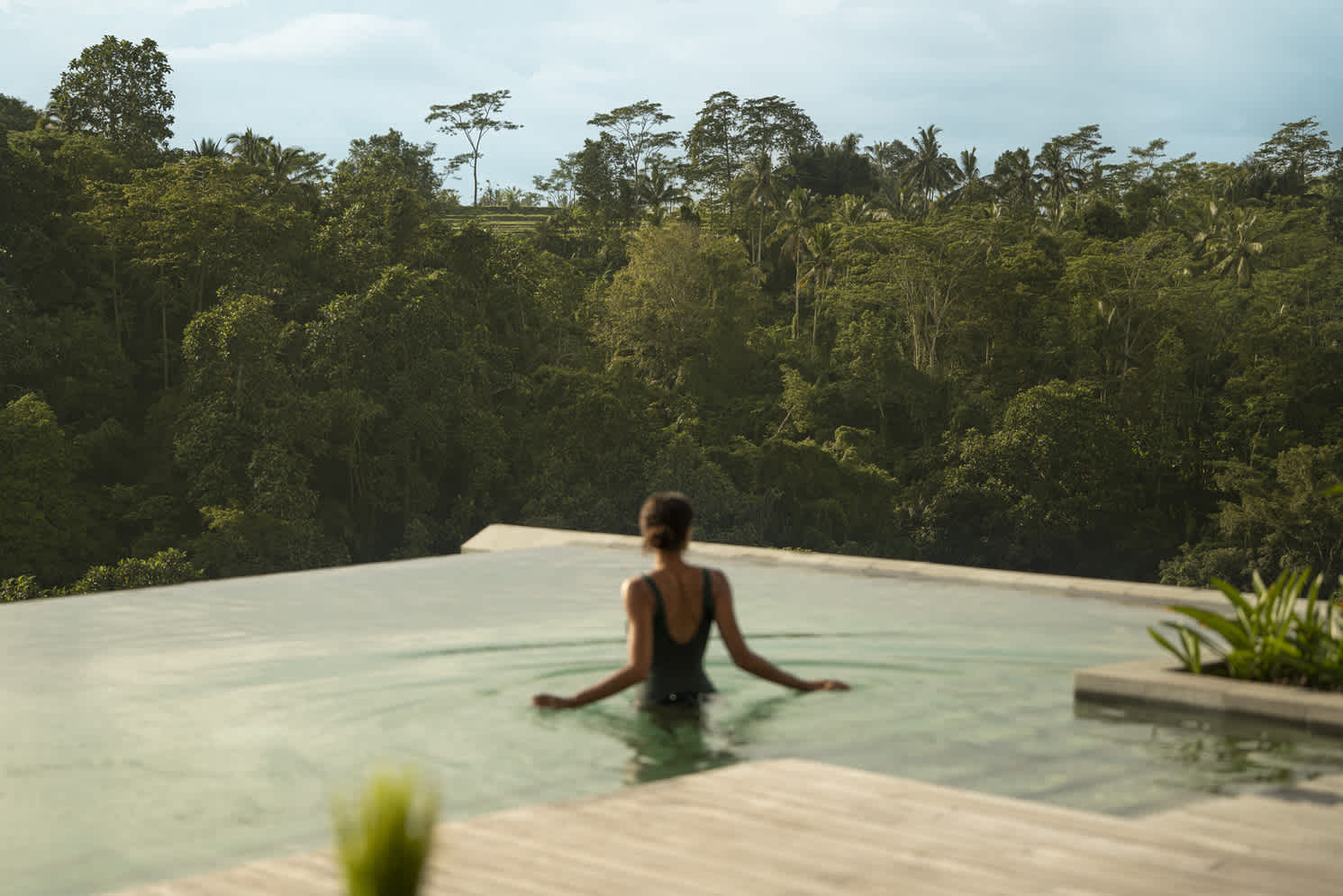
Anantara Ubud Bali Resort
4. Rested and Enriched: Luxury’s New Non-Negotiables
All holidaymakers want to unwind, but for luxury travellers, rest is a deal breaker. More than half are after pure relaxation, with 60% planning to include spa experiences. Restorers, one of the five types of travellers, are especially common in this crowd, and they are often drawn to spa and wellness escapes where they can also satisfy their thirst for enriching experiences.
At Layan Life by Anantara in Phuket, the stay feels restorative rather than clinical thanks to traditional Thai medicine, longevity science and in-nature experiences. In Australia’s Hunter Valley, Avani Cypress Lakes Resort has wellness built into each stay, whether it’s a golf weekend or a family holiday.
New Money, Old Currency
Some things never change. Luxury travellers have always been happy to pay for one thing above all, and that is time. Half wouldn’t mind paying 20% more to skip the queue, with private tours and front-row seats at beauty spots close behind.
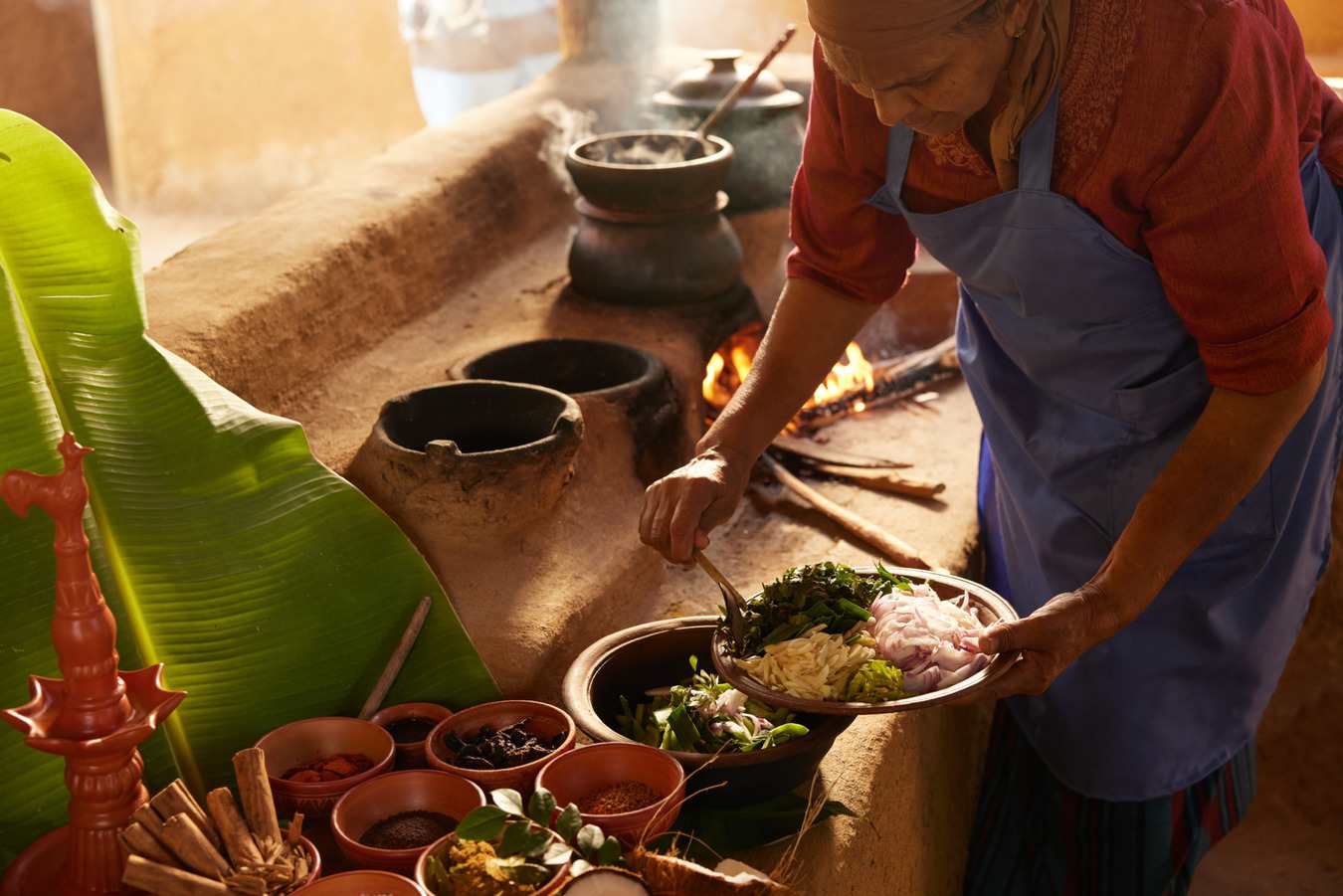
Mama’s Kitchen at Anantara Peace Haven Tangalle Resort
5. Food Opens the Door, People Build the Connections
Of all the travel trends in the report, this is the one you can taste. Food is the number one way travellers connect with a destination, way ahead of architecture and nature. And visitors who had a native guide them through local flavours and customs were far more likely to have had a memorable experience.
In the Maldives, that might mean learning to grind local spices on a traditional wana mola stone; starting your day with huni, a breakfast mix of shredded smoked tuna, coconut, onion and lime; or joining the locals for a night of Boduberu music, dance and feasting. Our guide to Maldivian cuisine has plenty more mouthwatering things to try.
Bali’s most-loved dishes range from babi guling, the spit-roasted suckling pig traditionally made for ceremonies, to sate lilit, minced meat mixed with coconut milk and turmeric and grilled on sticks. Kirana at Anantara Ubud Bali Resort serves dishes from across the Indonesian archipelago, deep in the Payangan forest.
Alternatively, have the whole world served to you on a plate. Bangkok’s World Gourmet Festival, one of the globe’s great food festivals, takes place at Anantara Siam Bangkok Hotel every September, while the Taste of Dubai Food Festival in February is held just behind Avani+ Palm View Dubai Hotel & Suites.
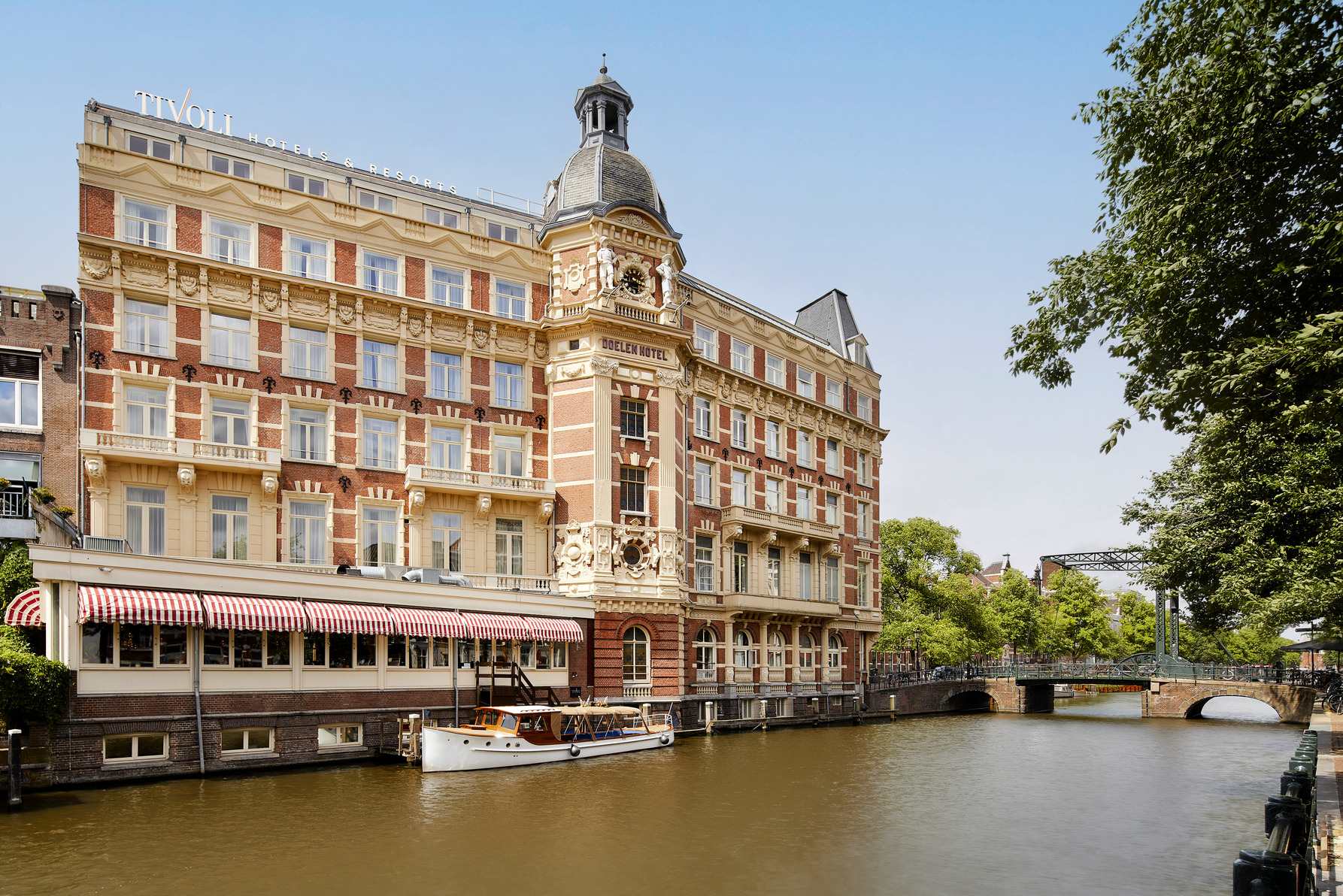
Tivoli Doelen Amsterdam Hotel
Architecture Makes Culture Visible
If food offers a taste of local culture, hotels with a past are often what really stays with you. The Old Continent is full of such examples.
A few nights at NH Collection Prague Carlo IV set in a 19th-century bank or at Porta Rossa Hotel Firenze, Colbert Collection that began life as a 13th-century lodging house can tell you more about a city’s history than the most engaging tour guide. Tivoli Doelen Amsterdam Hotel was once the meeting place of the city’s Kloveniers militia, who commissioned Rembrandt’s famous Night Watch in 1642. Queen Victoria and the Beatles have both stayed since. Anantara New York Palace Budapest, completed in 1894 as an insurance headquarters, is today home to what is known as the most beautiful café in the world.
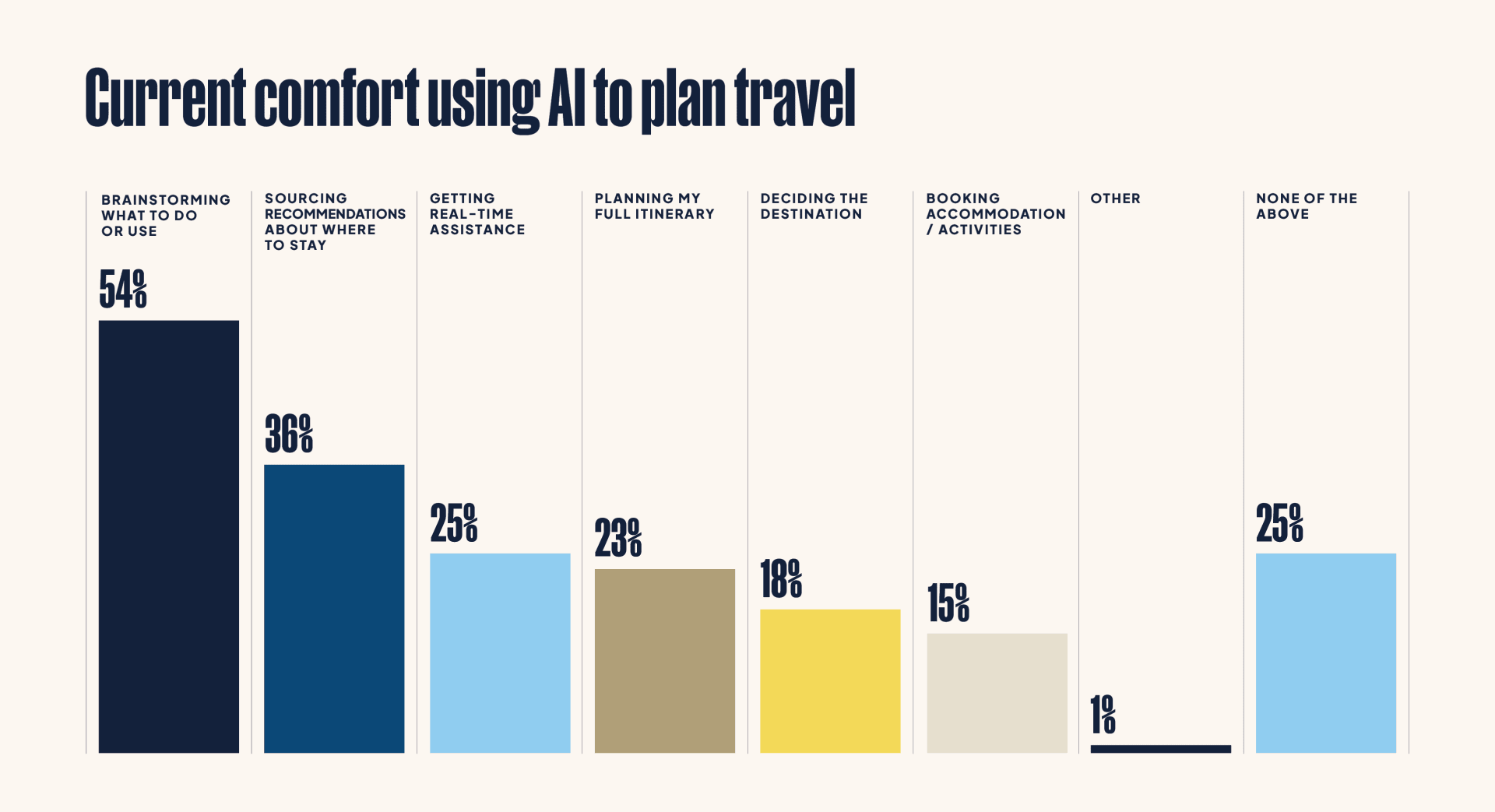
Current comfort using AI to plan travel
6. AI Does Not Get the Final Say
AI is everywhere. One in three travellers now uses it for research, and more than half brainstorms ideas with their preferred model. Handing over the credit card is another matter, and only 15% would let AI make a booking for them.
Trust, but Verify
For many of you, AI is a well-read friend with plenty of ideas, not an expert. Hotel websites and online reviews are not going anywhere anytime soon. You might ask ChatGPT where to stay in Rome or what to do in Bangkok, but the final call is still made based on information verified by a human.
For more insights, see our inaugural AI trends report, which looks at tools shaping the industry.
Boduberu welcome at the arrival jetty, NH Collection Maldives Havodda Resort
What These Travel Trends Mean for Your Next Trip
Put all six travel trends and insights together and what emerges is a world where holidays are crafted rather than hastily thrown together and booked at the last minute. Most importantly, each successful trip comes with a story you cannot wait to tell. Sometimes, sharing it on social media in real time, but more often by picking up the phone and telling your nearest and dearest the old-fashioned way. While in a foreign land, you want rest with no effort, plus moments of magic and real connection. And you are happy to let technology do the legwork, as long as you get the final say.
To find out what kind of traveller you are, explore our guide to the five types of travellers.