It can sometimes seem like the great city adventures have all been done. But step off the well-worn circuit, and there are world-class destinations that still have the capacity to surprise and delight.
The world, in all its variety, can sometimes feel like one big circuit of well-trodden destinations and little else, leaving many of the world's most rewarding and underrated travel destinations overlooked.
Iconic capital cities, coastal towns and resorts follow each other on the bucket-list trail, leaving little chance of unearthing new experiences. Stick to first-rank destinations that have been packaged up and marketed, and it can be maddeningly hard to discover anything authentic that’s not already been Instagrammed into a mush of filter-enhanced, AI-improved clichés.
That’s where the world’s second-line cities come into their own. This cohort of vibrant, historic and world-class destinations have not been burdened with the wall-to-wall coverage of the capitals – often for no other reason than the vagaries of fashion or global attention span. And while they don't get the spotlight or acclaim of the premier destinations, that's often worked in their favour, making them some of the best examples of second city travel.
Marseille, France
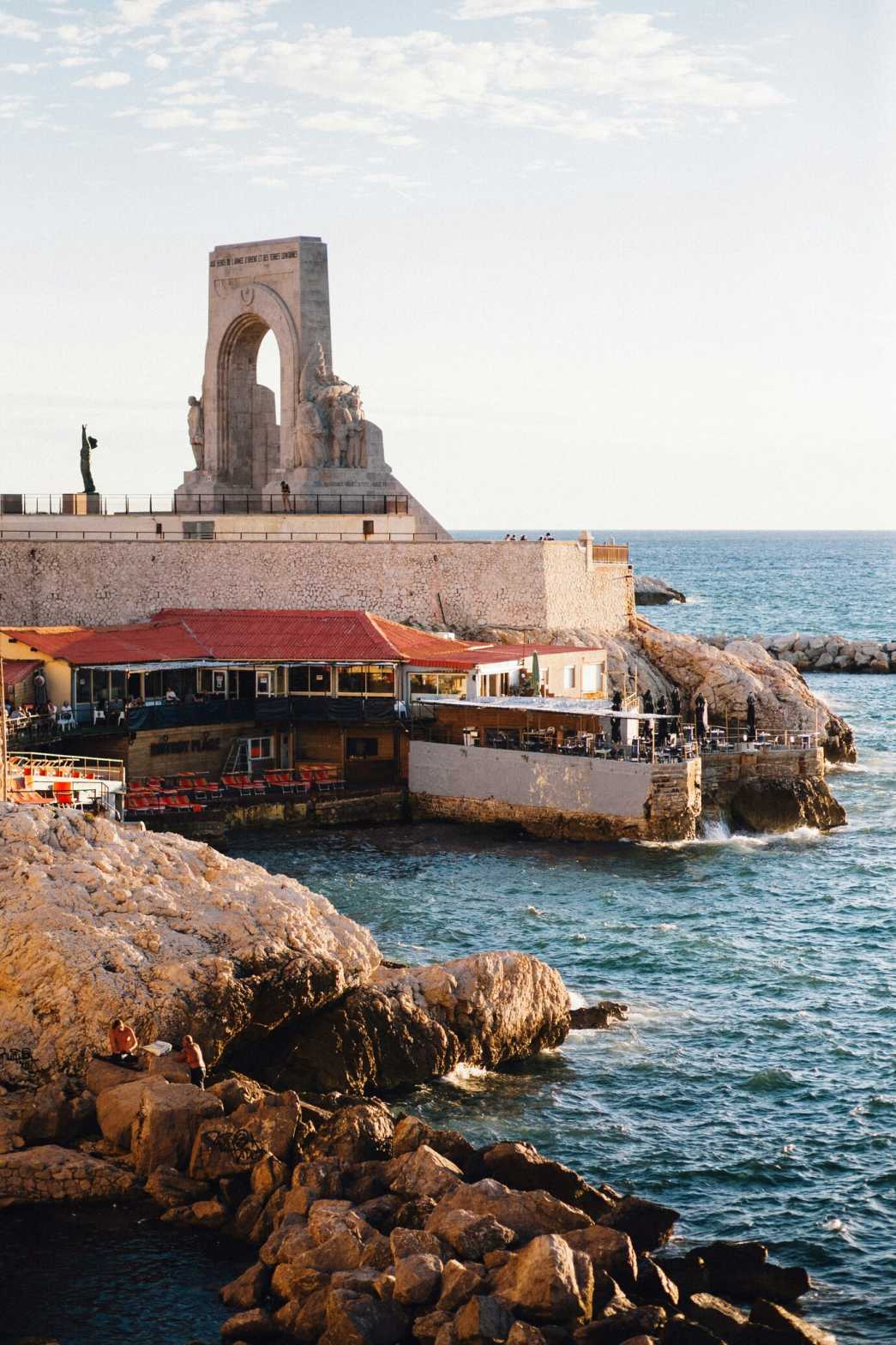
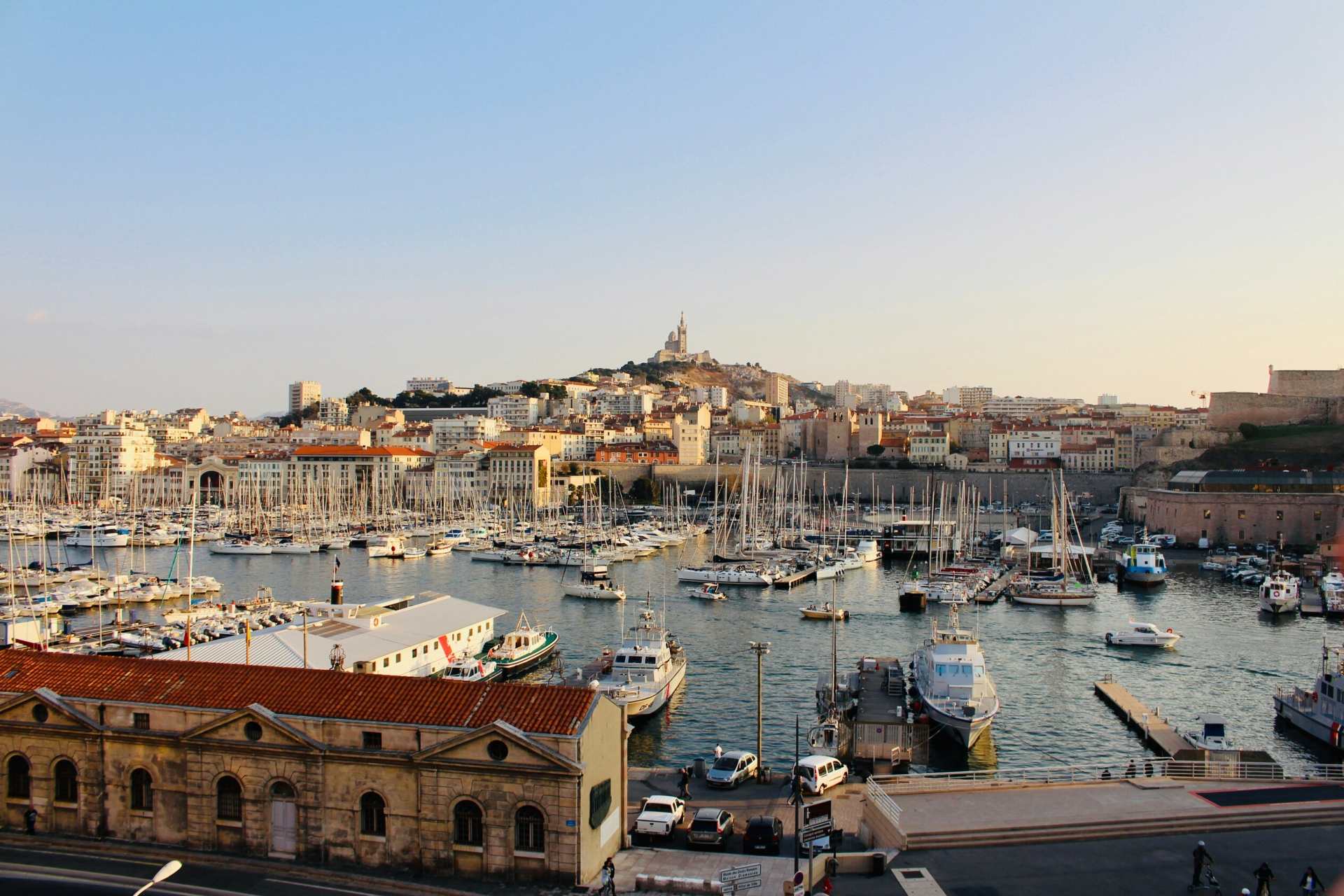
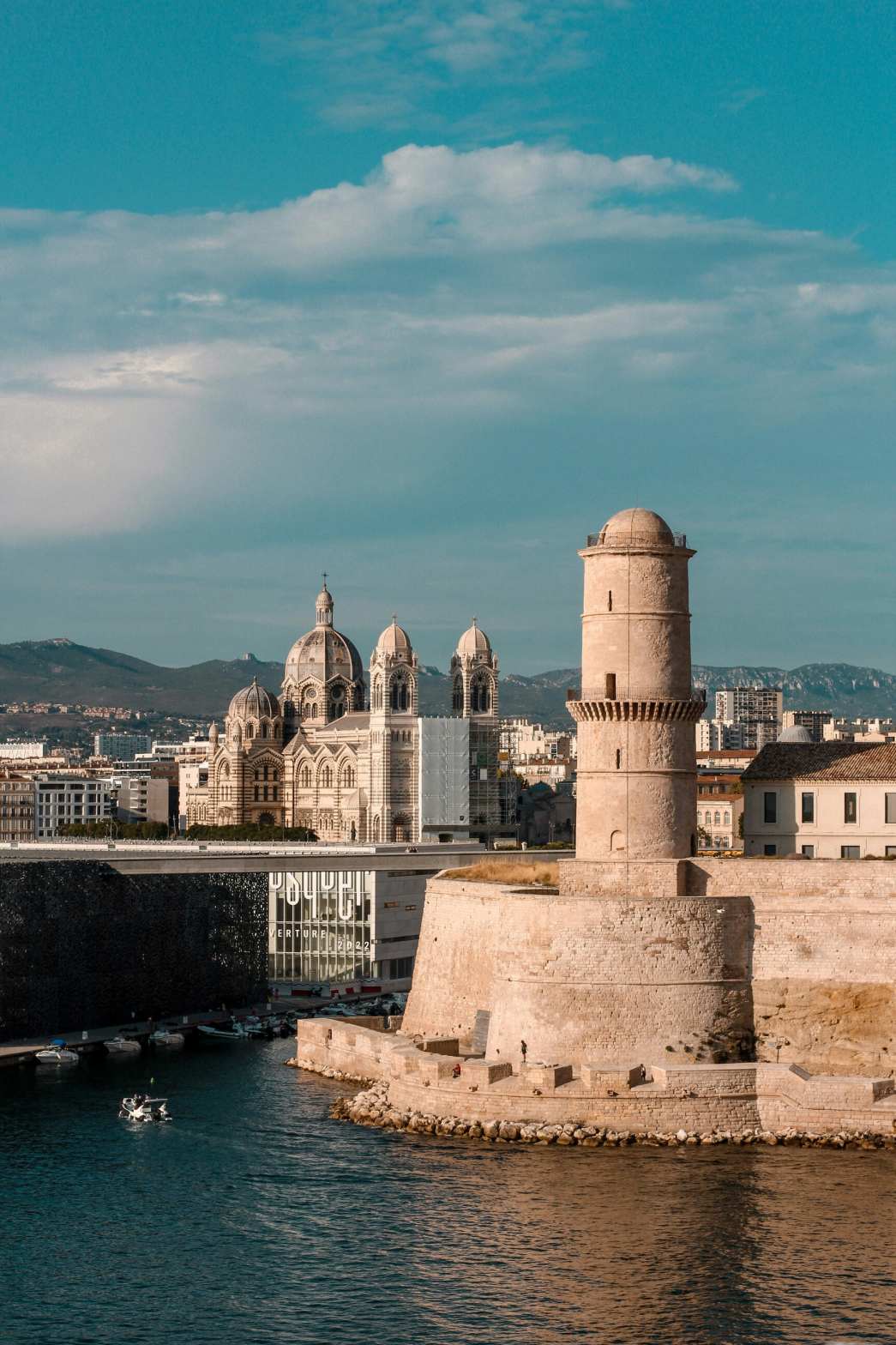
While the capital of Provence is often used as a convenient base for drives around France’s picturesque interior, using it as a mere base is to miss out on so much. Dubbed “the most underrated city in France” by Condé Nast Traveller, Marseille is riot of Mediterranean coastline, warren-like covered markets, North African cultural currents, a vibrant and diverse arts scene and red stone streets.
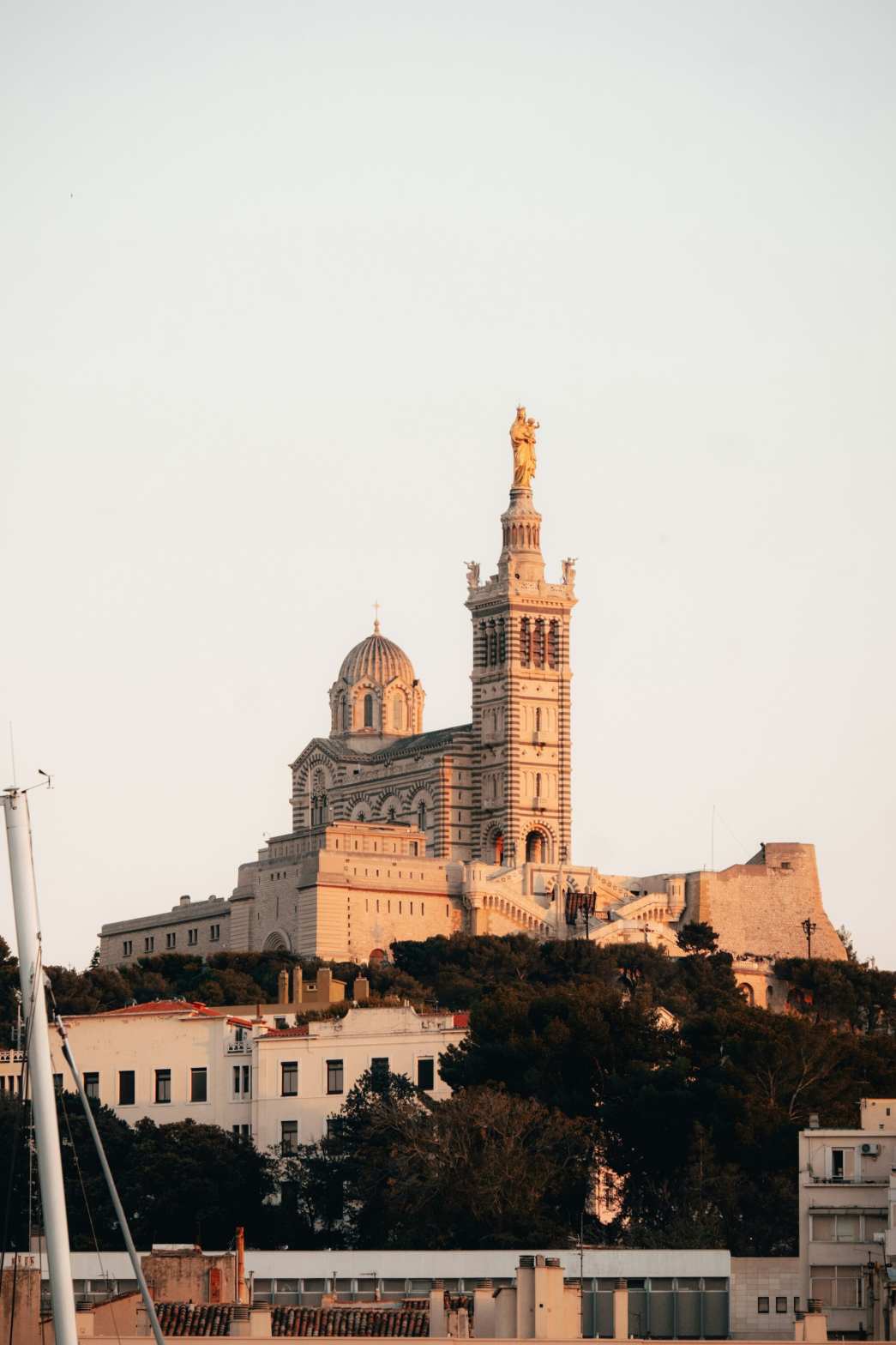
Sometimes described as ‘the Rio of Europe’ for its spirit as well as its shape, Marseille’s skyline, like Rio’s, is dominated by buildings leading uphill from the seafront, and topped by the 11m-tall figure of the Virgin Mary and Child, looking out to sea from the roof of the famous Notre-Dame de la Garde church, high on a limestone hill.
The best way to navigate Marseille is to let the sunset-red streets lead you into the city’s atmospheric hinterlands. As you meander, make sure that you don’t miss the street-art-festooned walls that are one of the city’s calling cards. Legendary street artist Banksy chose the residential Rue Félix Fregier for his 2025 piece, Lighthouse.
Even the city’s venues themselves are testimony to its legendary creativity, innovation and enterprise, and its habit of making something new from something old. Le Cours Julien – Marseille’s arts quarter – was once the city’s fruit and vegetable market, but has now been transformed into a buzzing marketplace for creators. It’s home to Le Friche la Belle de Mai, a former Seita tobacco factory and packing yard close to Saint-Charles station that is now a major cultural hub. The building not only has galleries, exhibition spaces and artists’ ateliers, but hosts five separate concert venues, artisan food and spice markets, public gardens, bookshops, a skate park, a roof terrace with sea views, cafés, a sports centre and crèche.
Even the acclaimed MUCEM (the Museum of European & Mediterranean Civilisation) – a great place to absorb the French, Roman, Arabic and north African footprints that make Marseille so unique – is built on reclaimed land, over the Old Port. But there are tranquil areas here, too. To the south, the picturesque seaside suburb of Les Goudes is more relaxed, with its coastal idyll, beaches and open-air theatre performances.
Stay: nhow Marseille enjoys gorgeous sea views to the south, which can also be enjoyed from the relative tranquillity of beaches, parks and the Roucas-Blanc marina. And then there’s the Old Port, the city’s vibrant heart with a very different feel, a tangible, bustling energy. Nestled within, just a five-mintue stroll away from the oceanfront, is NH Collection Marseille, on the Boulevard des Dames.
Chiang Mai, Thailand
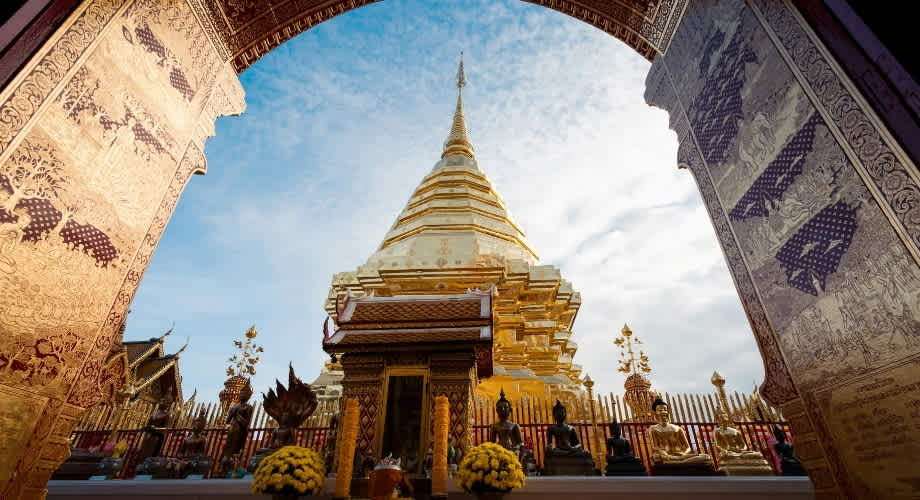
Chiang Mai has long been the index of whether you’ve ‘really travelled’ in Thailand or just connected in Bangkok to the busy coastal and island resorts. Nestled in the Northern Highlands, the iconic temple-studded city, with its café culture and traces of medieval walls and moat, is a different world from the neon and nightlife of the south.
Chiang Mai is the second-largest city in Thailand and a prime example of second city travel. Home to 1.2 million citizens, a tenth of Bangkok's population, it is a buzzing metropolis rich in tradition. Even its skyline is famous for the cupolas of Chiang Mai’s famed Buddhist temples (wats) – there are 117 in the city district alone. Residents are proud of that difference, too. Chiang Mai was capital of its own independent kingdom until 1558, and that lofty position – both physically and intellectually – over Thailand’s tourist hotspots prevails to this day.
Chiang Mai certainly rejoices in its rarefied status. You’re as likely to eat at a hipster café as a great restaurant specialising in distinctive Thai highland cuisine. Meanwhile, the city’s strategic importance as the capital of the north means it’s also bursting with museums, contemporary art and culture, with first-rate galleries like MAIIAM Contemporary Art Museum, which hosts music and even meals as a way to open up dialogue around art. Further cultural flavour can be found at the Highland People Discovery Museum and, for flavours of the gastronomic kind, a steaming bowl of khao soi, northern Thailand’s signature dish of soft and crispy noodles in curry broth, is a must.
Stay: Anantara Chiang Mai Serviced Suites makes an excellent base. Situated opposite Anantara Chiang Mai Resort, a minute or two from the famous iron bridge and in the heart of the café district, it offers luxury and independence in the very heart of town. For even more luxury, the resort offers fine dining and a spa, as well as award-winning service, and the ideal, calm surroundings for an escape from the hubbub at the end of the day.
Ras Al Khaimah, United Arab Emirates
Dubai and Abu Dhabi may have put the Emirates on the map, but there’s a fascinating, rich and diverse Emirate just next door that’s still to be discovered by most, making it one of the region's most appealing lesser-known travel destinations.
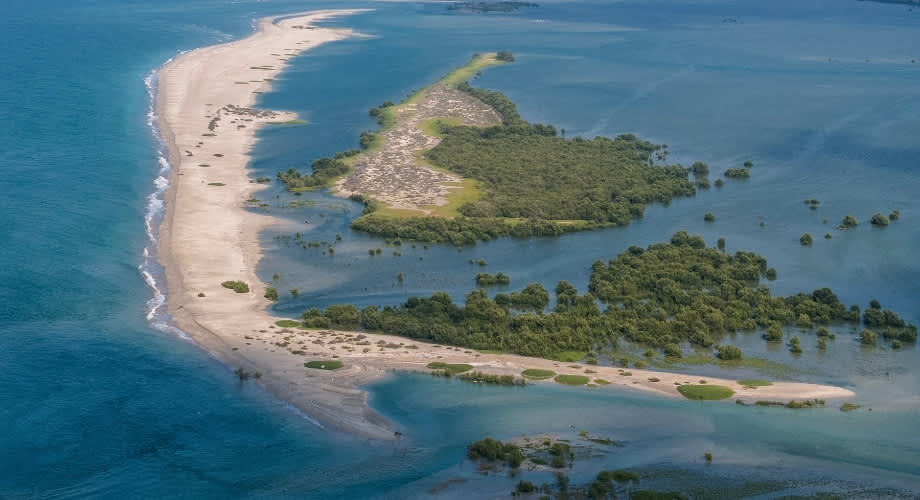
Ras Al Khaimah, the northernmost Emirate, tucked between the Hajar mountain range and the Arabian Gulf, has branded itself ‘The Nature Emirate’. And well it might. With its amazing beaches, mountains, hiking trails and authentic historical sites, the whole place is an open journey of discovery and natural wonders.
There are even opportunities to meet and interact with desert tribes, still living a traditional way of life unaltered for centuries.
Stay: Anantara Mina Ras Al Khaimah Resort is one of Ras Al Khaimah’s most luxurious addresses. Nestled near the famous Flamingo Beach, it overlooks blue waters and pristine beaches.
Rotterdam, Netherlands
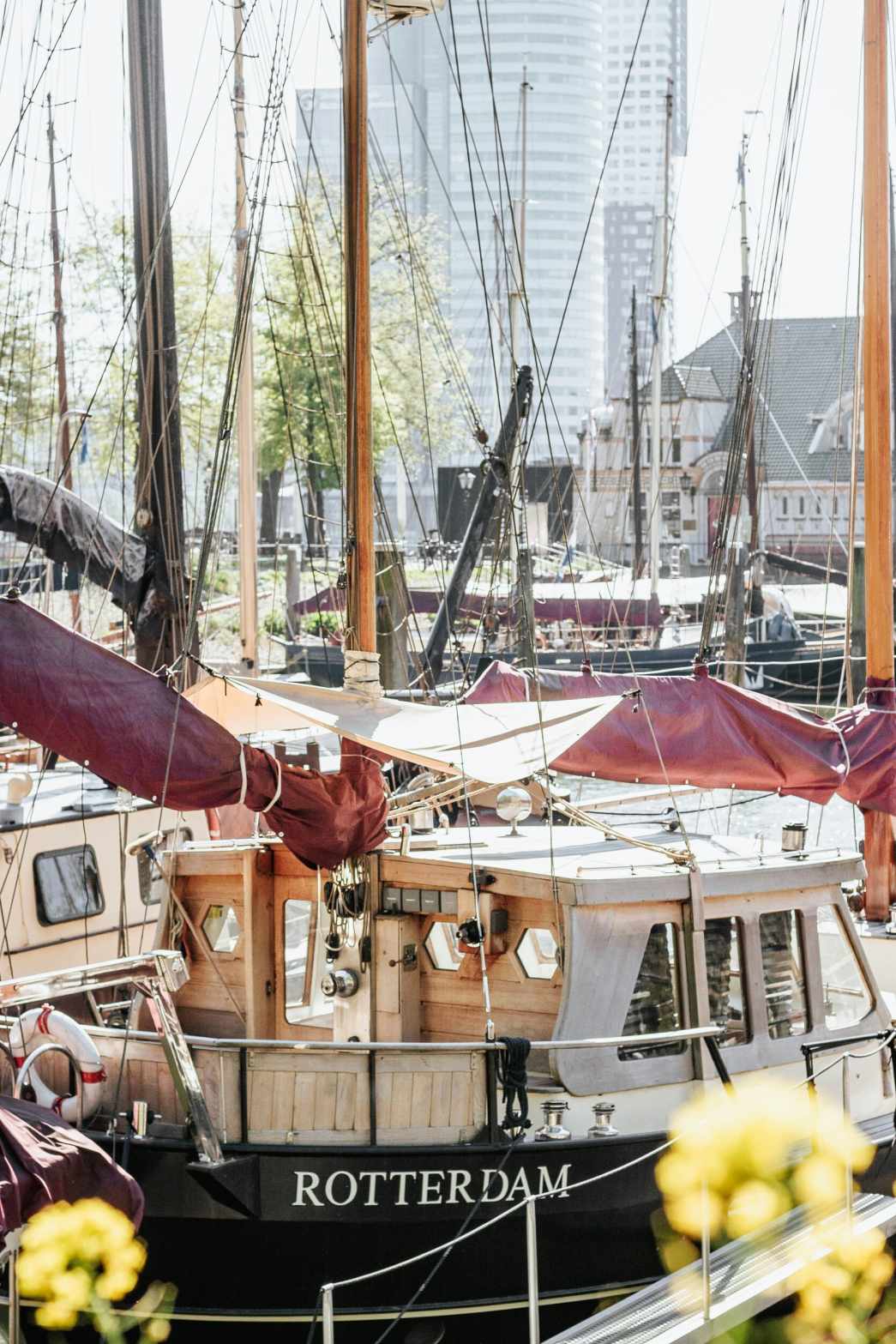
Some cities make quirkiness their badge of honour. Rotterdam is to Amsterdam what Manchester is to London: a defiantly ‘different’, industrial rival that’s grown into its own as a conscious alternative to the capital.
Almost flattened during World War II, Rotterdam seized the opportunities reconstruction offered and turned itself into a treasure trove of cool, contemporary and quirky culture. A walk through the streets is like an experiment in living joyfully and feels like a tour of Alice’s Wonderland at times.
There’s the crazy-angled distorting mirror of the yellow Cube Houses (Kubuswoningen), the anything-goes bazaar and performances of Witte de Withstraat and the Markthal’s gigantic covered markets in the shape of an inverted capital ‘U’.
Or pop into the Pinball Museum and the former SS Rotterdam Holland-to-America cruise liner, now permanently berthed. In Rotterdam, every corner is a surprise. How many capitals can say that?
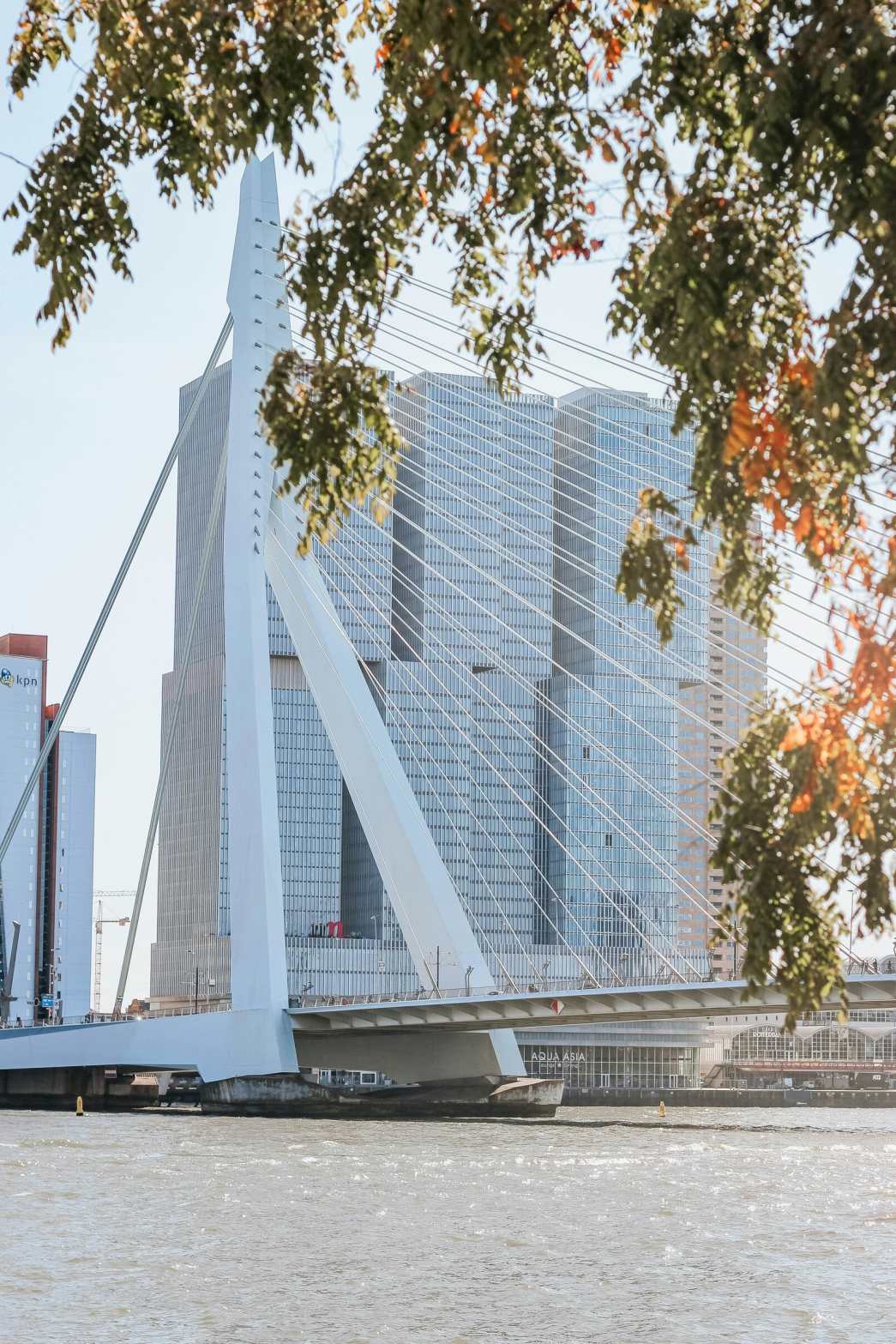
Stay: The view from nhow Rotterdam’s sky bar on the hotel’s seventh floor is one of the most stunning and sought after in the city, overlooking the Erasmusbrug Bridge, the New Meuse river and the magnificent surrounding skyline.
São Paulo, Brazil
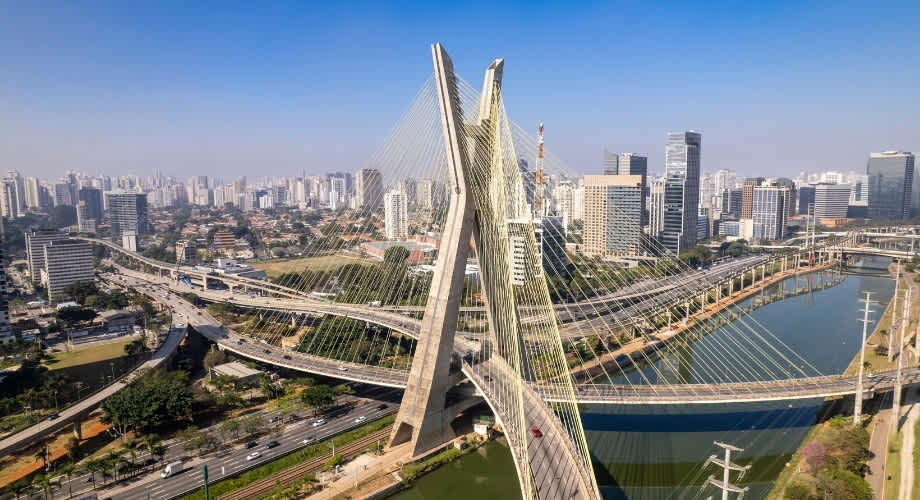
While Rio de Janeiro has the beach life, São Paulo – just 377km south along Brazil’s wild Atlantic coast – is the New York City of the tropics and the most populous city in the southern hemisphere and makes a compelling case for second city travel in Brazil. Like NYC, it’s famous for four things: excitement, culture, the food and its incredible, tropical-Gotham skyline.
The city is practically an open-air museum of Brazilian Modernist architecture and design – from the Martinelli Building to Oscar Niemeyer’s groovy 1960s Edifício Copan, it’s an Instagrammer’s delight.
And while successive waves of immigrants have created hotspots for food and culture from Italian to Japanese to Lebanese, one of the biggest tells of the city’s character is the night-diner scene. Every night of the week, legions of Paulistanos emerge from their barhopping, dancing (the music scene is legendary, with hip-hop and samba the city’s signature sounds) and dating to do their small-hours dining on traditional Brazilian food at nocturnal spots like Souza Lanchonete or Bar E Lanches Estadão.
And if you want to relax? The gorgeous, chilled coffee-and-beach town of Santos is just an hour’s drive away.
Stay: Tivoli Mofarrej São Paulo Hotel is just across from the iconic Museu de Arte de São Paulo, in the heart of the city’s cultural district.

.jpg)