Jump to:
-
The art of mindful journeys
-
Another slow travel meaning: treading lightly
-
Vietnam’s railroad revival
-
Following the river to the heart of Laos
-
Keeping it local
-
Defining your slow
-
FAQs
Slow travel is not new. Before the advent of commercial aviation, a transatlantic sea voyage from London to New York typically took around five days by steamship. And that was lightning-fast. On sailing ships, you could be looking at 40 days, depending on weather, current and your luck.
Jet-powered transatlantic flights reshaped travel. What was once expensive and risky has become an everyday convenience, allowing millions to crisscross the Atlantic at leisure. But what we gained in speed and efficiency, we lost in the pleasure of the journey.
In our rush to see as much as possible, as quickly as possible, we’ve reduced destinations to their tourist attractions, while exhausting ourselves (and the planet’s resources) in the process.
The art of mindful journeys
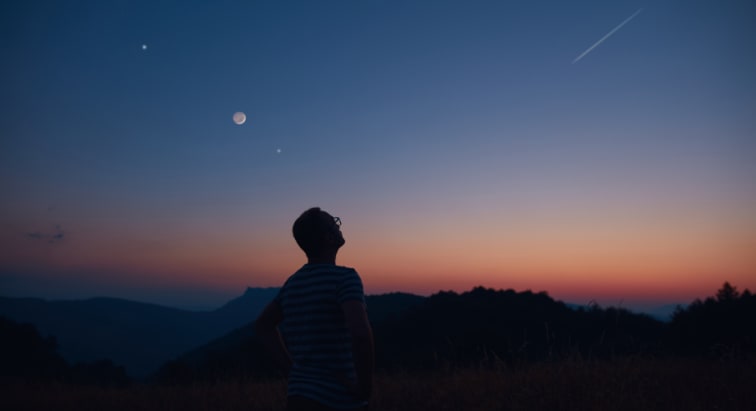
Although not an official movement, slow travel has become a widely embraced philosophy. Many adherents see it as a refreshing antidote to the fast-paced, hectic style of modern travel.
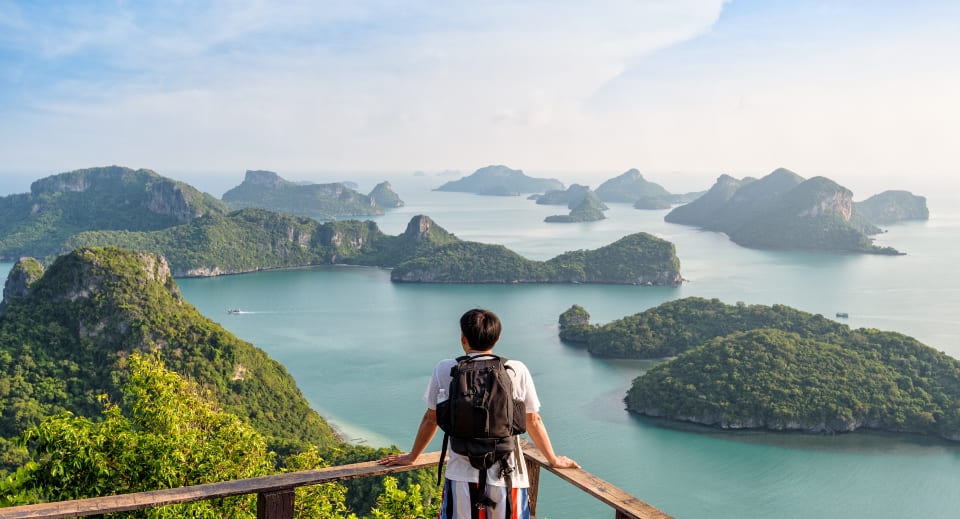
The essence of slow travel lies in appreciating the richness of the little things. Instead of rushing through a checklist of attractions, slow travel encourages us to linger, to ask questions and to truly see and feel the world around us.
Ultimately, it challenges the notion that faster is better. By traveling mindfully, we trade urgency for intention, finding joy in the journey itself. It’s not just a way to explore the world but a way to rediscover yourself – letting the small, meaningful moments unfold naturally and leaving you with memories that last far longer than fleeting snapshots.
Sometimes, slowing down is the most profound adventure of all.
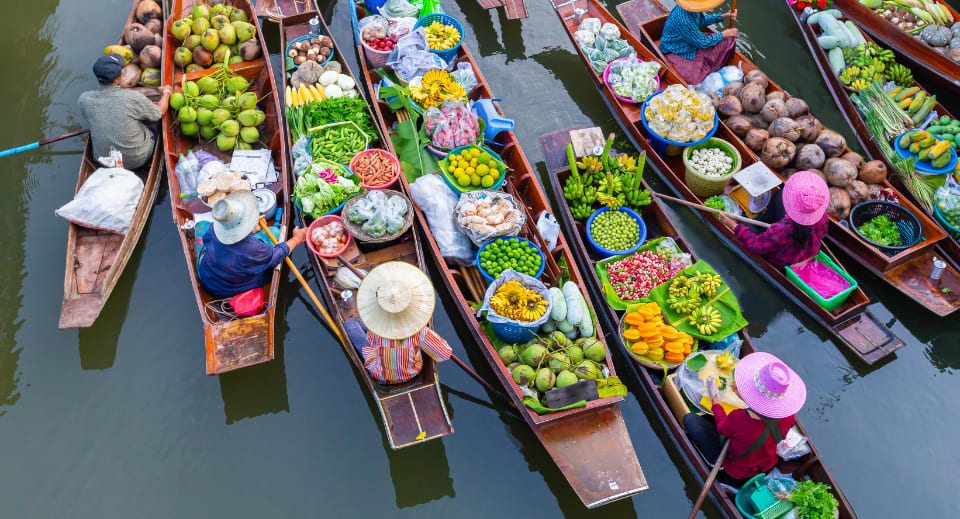
As we linger longer in one place, we start to appreciate the subtleties of the destination: Bangkok’s affection for khlongs, Sydney's complicated relationship with seagulls, Saigon’s vibrant hẻm culture.
By slowing down, we allow ourselves the luxury of time to discover hidden gems, form lasting memories and return home with a sense of fulfilment rather than overwhelm.
That said, slow travel is certainly not for everyone, nor does it work for every occasion. Destination weddings with their tightly coordinated programmes, corporate team-building retreats and multi-generational trips are all hard to reconcile with the leisurely pace and flexibility that slow travel demands.
Each type of travel serves its own purpose, and it’s important to choose the approach that best fits the situation and the needs of those involved.
Another slow travel meaning: treading lightly
A good tourist doesn’t litter, respects local cultures and travels off-season not to overwhelm the infrastructure. But is not doing harm enough? What if we could leave places better than we found them? For some, sustainability is the meaning of slow travel.
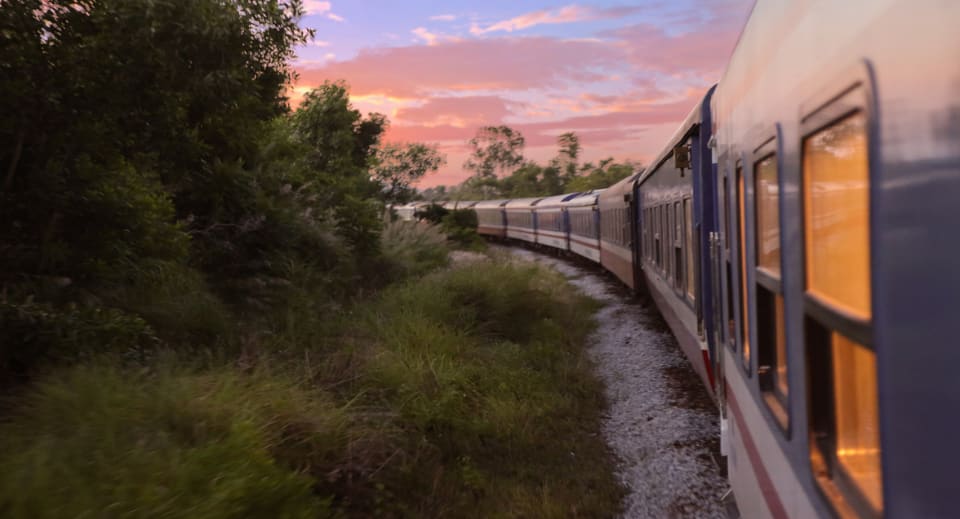
In Asia, where many countries struggle with pollution, choosing to go by train instead of flying can help locals breathe easier and will contribute to a more sustainable future.
Not to mention that railway travel holds a special allure that no First-Class airport lounge could ever match. The rhythmic clatter of the tracks, the ever-changing landscapes and superb people-watching opportunities presented by the dining car (is there a world-famous detective among us today?) create an experience unlike any other.
Vietnam’s railroad revival
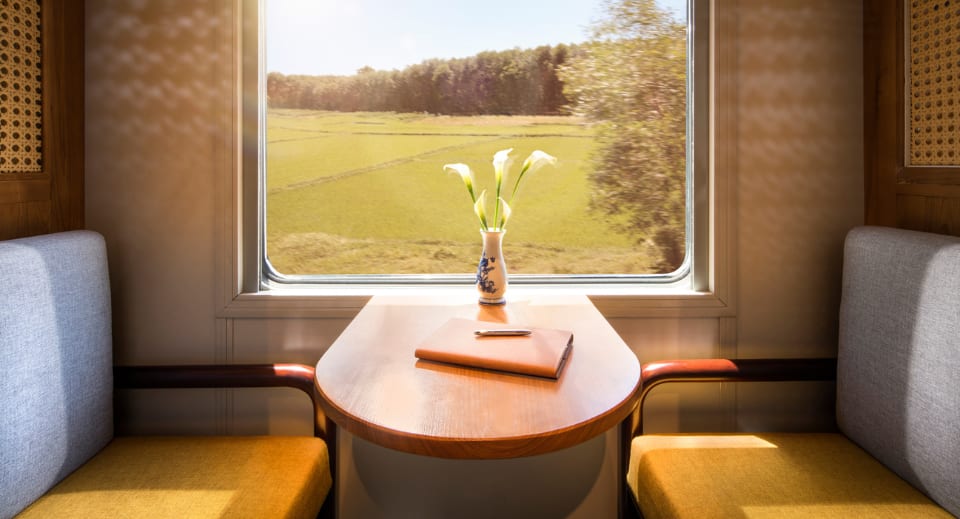
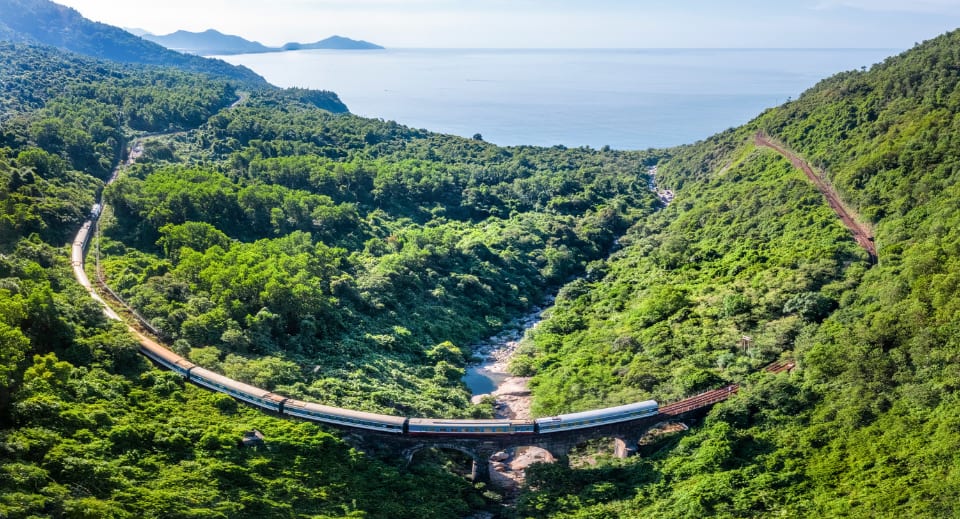
Until a few years ago, railway travel in Vietnam was something you endured, rather than looked forward to. The launch of The Vietage, a luxury railway experience in Central Vietnam, turned things around. Today, the brand operates two elegant 12-guest carriages that link Hoi An ancient town to the unhurried coastlines of Quy Nhon and the bustling coastal city of Nha Trang.
The six-hour journeys are just long enough for you to soak up the spectacular scenery and make the most of the spa corner serving up head and neck massages, and the sit-up bar mixing smart cocktails to accompany your gourmet meals.
Ensconced in your private seating booth, you pass the ruins of ancient cities, historical relics, lakes and towers. There are the crumbled ramparts of Tra Kieu, the first capital city of the Hindu Champa Kingdom; the coastal city of Quang Ngai, home to the Long Wall of Vietnam; and the An Khe Lake, considered the cradle of Sa Huynh culture.
Following the river to the heart of Laos
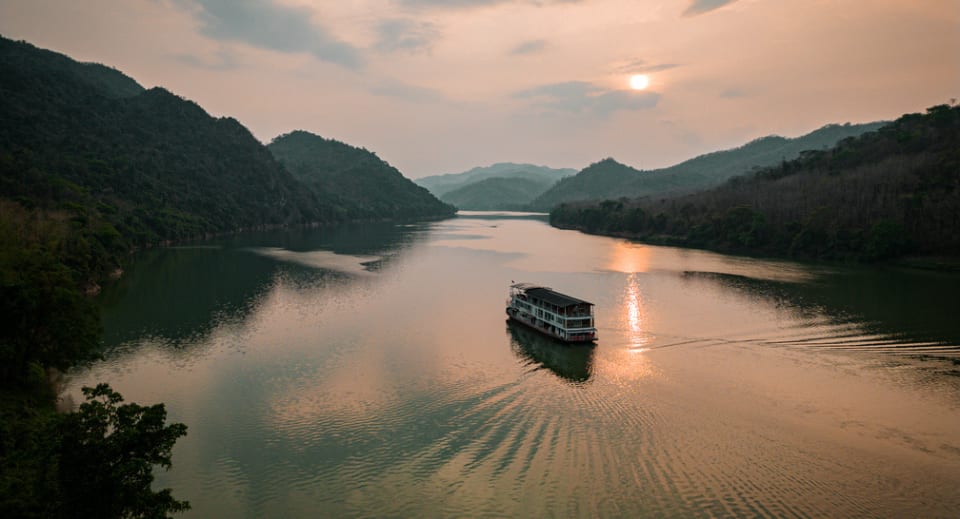
Another enchanting way to embrace slow travel is through river cruises. These serene voyages allow travellers to explore destinations at a gentle pace, gliding along waterways that offer unique perspectives of the landscape and culture. The vessels tend to be much smaller than ocean-going liners and more focused on cultural exploration, earning the seal of approval from slow-travel enthusiasts.
In Laos, bisected by the mighty Mekong, The Bohème is an invitation to go with the flow and let the country reveal itself to you gradually. The river is the country’s lifeline and following its lead from Luang Prabang to Xayabour reveals the land as the locals see it, not the tourism board.
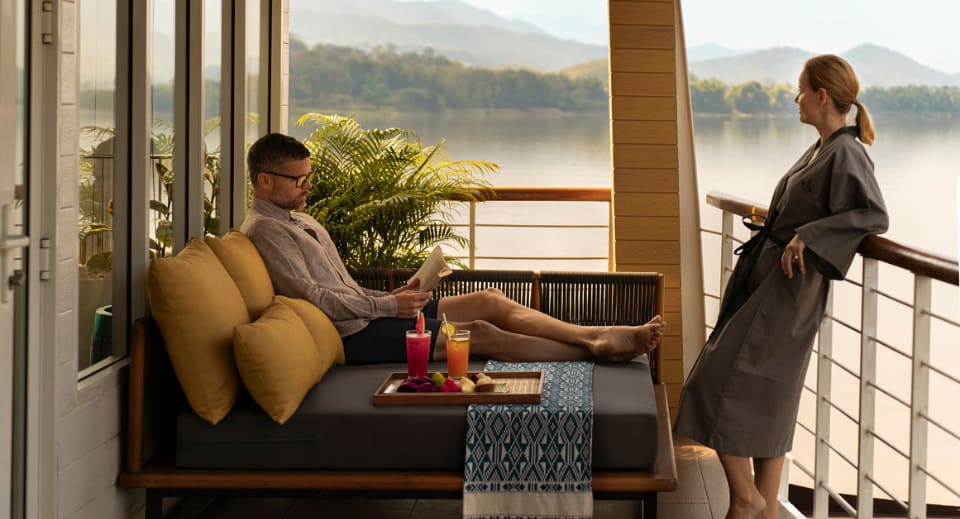
And because The Bohème keeps things intimate – there are only 13 cabins – making friends over land excursions, on-board activities and Laotian dinners will be one of your favourite things about the cruise.
Keeping it local
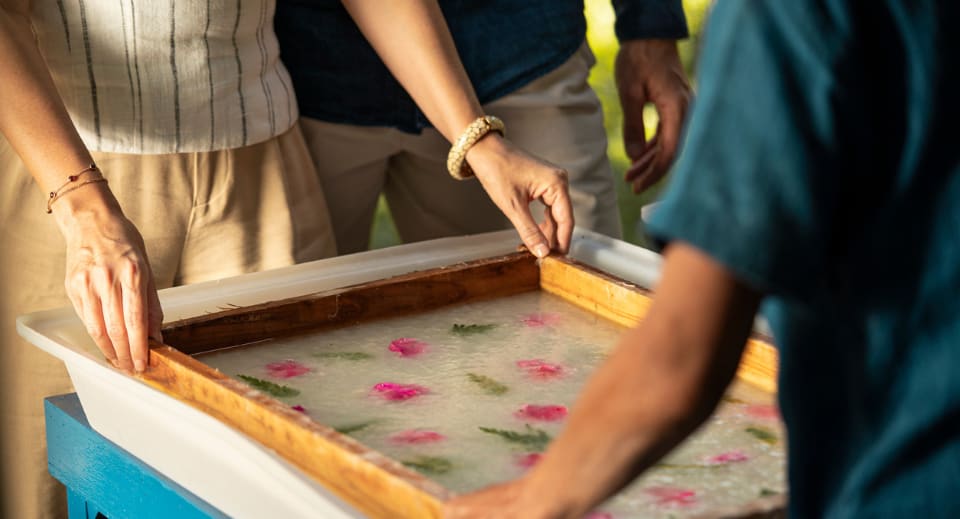
With time to wander, you can make more thoughtful choices about where and how to spend your money. By purchasing handmade crafts, textiles or locally sourced goods, you not only take home a piece of the place but also contribute directly to the artisans and farmers who pour their passion into every product. These purchases have a ripple effect, supporting families, preserving cultural heritage and ensuring these communities can thrive.
Dining locally is equally rewarding. At unassuming family-owned cafes and street food stalls, meals are often infused with a level of authenticity and care you won’t find elsewhere. Visit during quieter hours, and you may even strike up a conversation with the owner, gaining insight into family recipes and local culture.
These seemingly small efforts add up to create a more responsible and fulfilling journey.
Defining your slow
By choosing to travel slowly, we open ourselves up to deeper connections, more meaningful encounters and a renewed appreciation for the art of travel. However, what feels well-paced for one person might feel uncomfortably sluggish for another and frantic for the third.
That’s why, when looking for the meaning of slow travel, it’s essential to find a tempo that works for you. Whether it's savouring a cup of coffee at a local café, taking an unhurried hike through nature or biking through lush landscapes, your journey should resonate with your unique rhythm.
Equally important are the people you invite on the journey. Do they share your values? Are they as curious about different cultures as you are? And most importantly, why do they travel?
Traveling with like-minded companions can enhance your experience, fostering deeper connections and shared memories. By understanding each other's travel motivations and expectations, you can create a harmonious and fulfilling adventure that everyone will cherish.
Similarly, a travel party of fun-sounding but poorly matched individuals will most likely result in a disappointing experience rather than a revelatory one. So, if you are ready to switch gears and go slow on your next adventure, it's worth jotting down your non-negotiables, expectations and must-haves.
After all, travel can only be truly mindful if you’re enjoying it. So, take your time, listen to your inner compass and embrace the journey at your own pace.
To start planning your slow travel holiday, check out our worldwide hotels