Jump to:
-
Star tourism: out of this world
-
Astrotourism destination ideas
-
Listening to the sun's heartbeat in Tenerife
-
Wilderness astrotourism in Namibia’s desert
-
New Zealand: a compass in the sky
-
The Maldives & UAE: Desert sands or island skies
-
The enchantment of astrotourism
-
FAQs
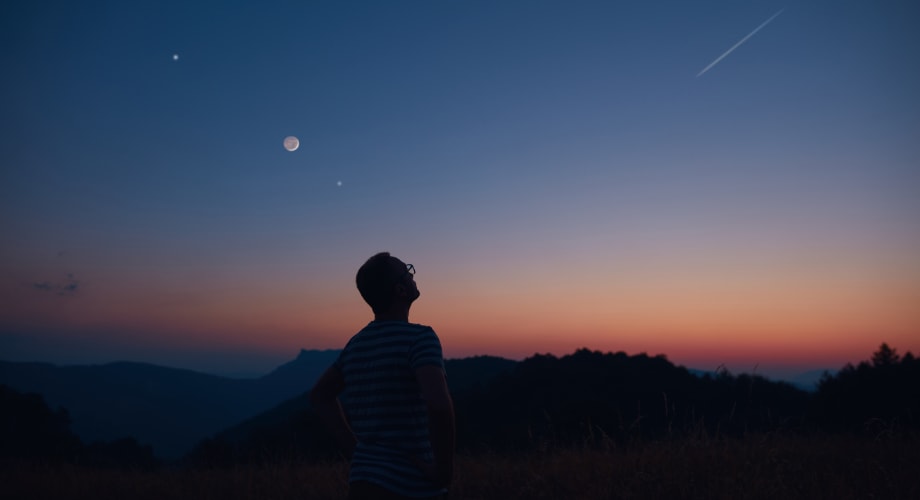
To misquote Douglas Adams, ‘Don’t panic; the stars are closer than you think!’ For the lucky few, jetting off to the cosmos and orbiting the Earth in private spacecraft is now a reality. For most of us, however, space tourism means marvelling at the stars from the surface of our beautiful blue orb.
If you’ve ever found yourself gazing upwards on a cloudless night, wondering what it might be like to touch the stars, perhaps it’s time to embrace the cosmos in a more accessible way— astrotourism.
Star tourism: out of this world
Astrotourism, the art of travelling to experience the night sky in all its celestial glory, has been quietly gaining momentum over the past decade. What began as a niche pursuit for astronomy enthusiasts has blossomed into a global trend, drawing travellers from all walks of life. The allure? Escaping the light-polluted haze of urban life to witness the Milky Way in its full splendour, chase meteor showers, or even marvel at a total solar eclipse.
In short, this relatively novel form of travel is as much about reconnecting with nature as it is about indulging in a sense of wonder.
Astrotourism destination ideas
Like many a niche pursuit, seeking out dark skies—those rare pockets of the world where artificial light hasn’t dimmed the stars—is as much an art as it is a science. The scientist in you will need to track events like solar and lunar eclipses, aurora sightings and meteor showers. But once the groundwork is laid, the magic of star tourism truly begins.
If you’re ready to embark on your own celestial adventure, here are some of the world’s most captivating destinations for astrotourism.
Listening to the sun's heartbeat in Tenerife
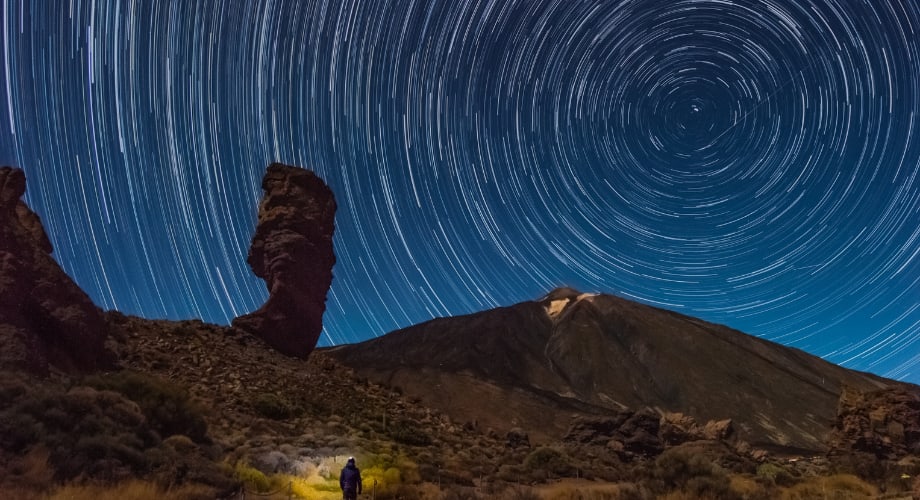
In Europe, the skies over Tenerife are undeniably the star attraction. The Canary Islands have several factors working in their favour: high altitude, low light pollution and proximity to the equator. (And let’s not forget their sunny disposition – it doesn’t hurt either.)
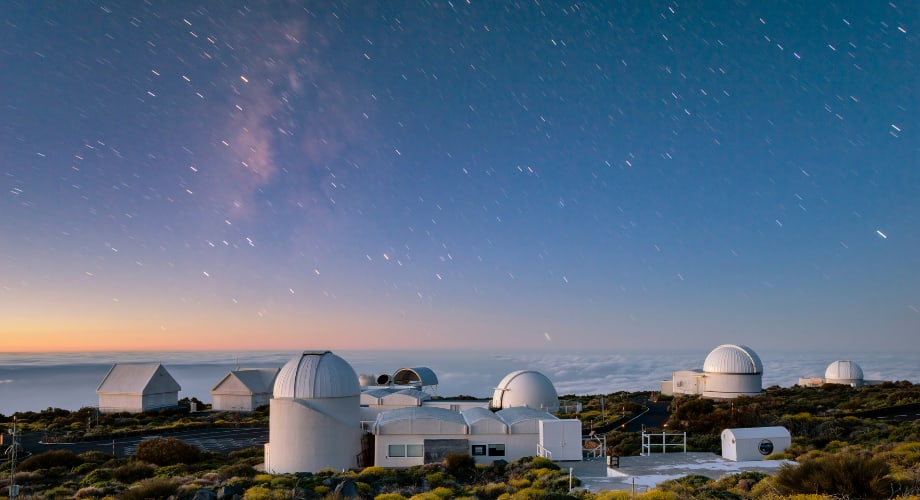
The Teide Observatory in Tenerife is a hub for studying the Sun's interior and activity, including insights into its "heartbeat." To observe the closest star to Earth in detail without harming your eyes, join one of the observatory's guided nighttime tours featuring a portable solar telescope.
For a more immersive experience, stay nearby and explore the rugged terrain and mountainous scenery of Teide National Park through guided hikes, sunset tours and in-nature activities the whole family can enjoy. From the elegant Costa Adeje, home to Tivoli La Caleta Tenerife Resort, the journey takes approximately 1.5 hours by car and offers stunning views as you ascend towards Mount Teide, the highest peak in Spain, through scenic landscapes and volcanic terrain.
Wilderness astrotourism in Namibia’s desert
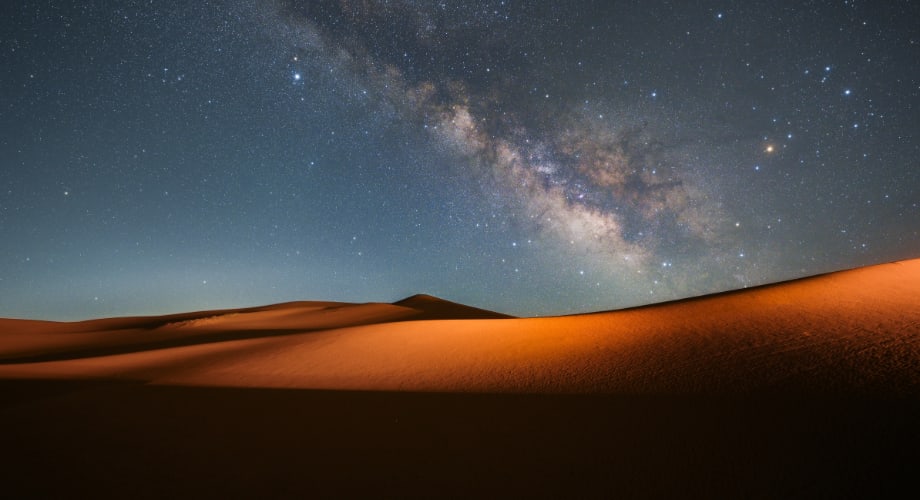
Close to the southern tip of Africa, Namibia offers a celestial spectacle every night, with the Milky Way, Orion’s Belt and Omega Centauri putting on a breathtaking show.
Far from light pollution and nestled in the heart of a nature reserve, you can enjoy some of the darkest skies on Earth from the comfort of a luxury lodge. As dawn breaks, places like the NamibRand Nature Reserve – a Gold Tier International Dark Sky Reserve by the International Darks Sky Association – treat visitors to spectacular desert views and scenic walks along dedicated trails.
Another way to immerse yourself in star tourism in Namibia is by joining the ancient skills academy at N/a'an Ku Se Lodge and Sanctuary. Saddle up for horseback explorations, take a guided walk with Bushmen, feed top predators and end the day with a sunset game drive under the magic of the Namibian night sky.
In Namibia’s capital city, Avani Windhoek Hotel & Casino temps with all the modern conveniences like the rooftop infinity pool – the perfect spot to catch your breath after your whirlwind adventures in the wilderness.
New Zealand: a compass in the sky
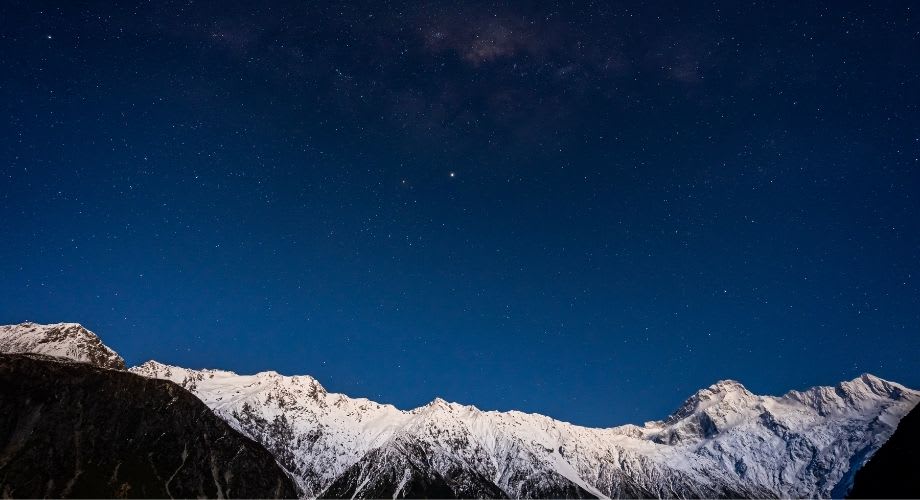
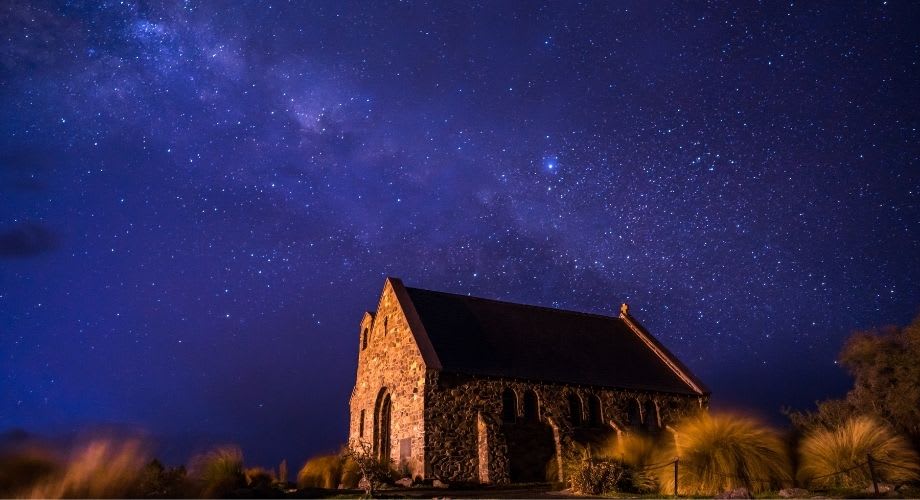
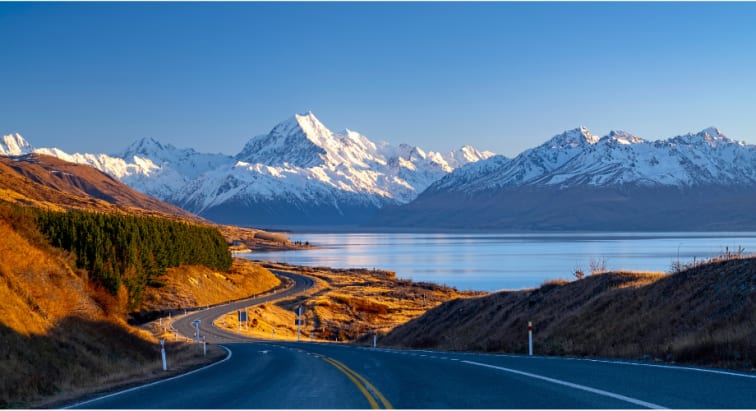
Beneath some of the darkest skies on the planet, New Zealand has become an astrotourism haven. The Māori people, New Zealand's indigenous population, have long relied on stars for navigation, using a "star compass" – a mental map of the night sky – to determine direction and maintain a course during voyages.
To learn how this celestial heritage is honoured, join the two-hour Summit Experience at the Aoraki Mackenzie International Dark Sky Reserve, home to the renowned Mount John Observatory.
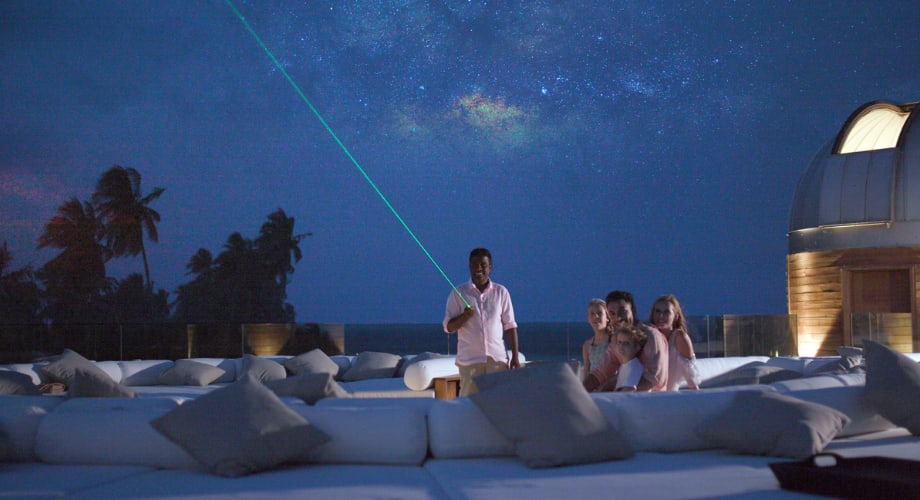
Perched atop Mount John’s 1,029-metre peak, you’ll hear captivating tales and celestial insights from professional astronomers, their handheld lasers illuminating the heavens. Dive even deeper with access to powerful telescopes, including the impressive 16” instrument housed in the private observatory dome. Every night, the firmament reveals something breathtaking – star clusters, far-off planets, solar systems, constellations and occasionally even a distant galaxy.
The Aoraki Mackenzie Reserve is located several hours' drive away from Queenstown and Christchurch, the closest major cities offering a wide range of accommodation options. For those preferring not to drive after dark, nearby stays include everything from charming cottages to hotels with glass-walled rooms perfect for stargazing.
The Maldives & UAE: Desert sands or island skies
If you’re curious about stargazing but not ready to plan an entire trip around it, destinations like the United Arab Emirates and the Maldives are perfect for adding a celestial touch to your travels.
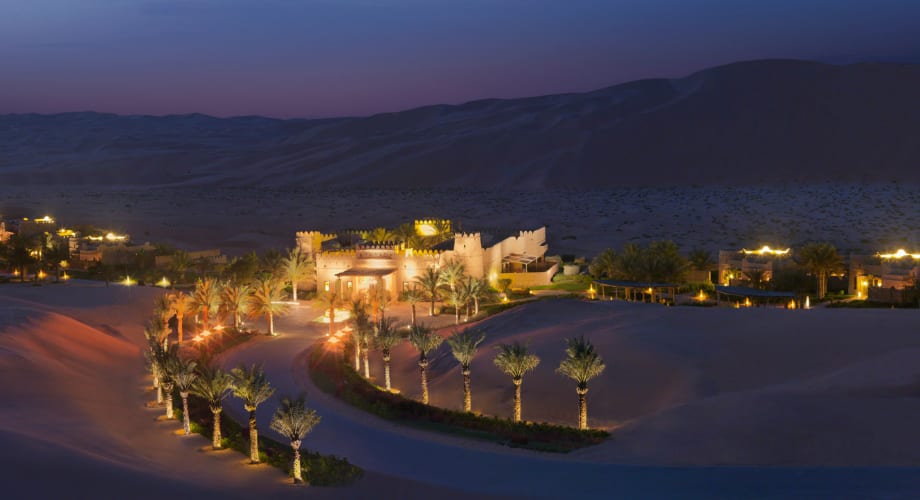
In the vast desert outside Dubai and Abu Dhabi, the skies are pitch-black, making them ideal for stargazing. Combine this with glamping, camel rides, dune bashing and falconry, and you’ve got the recipe for an unforgettable Arabian adventure.
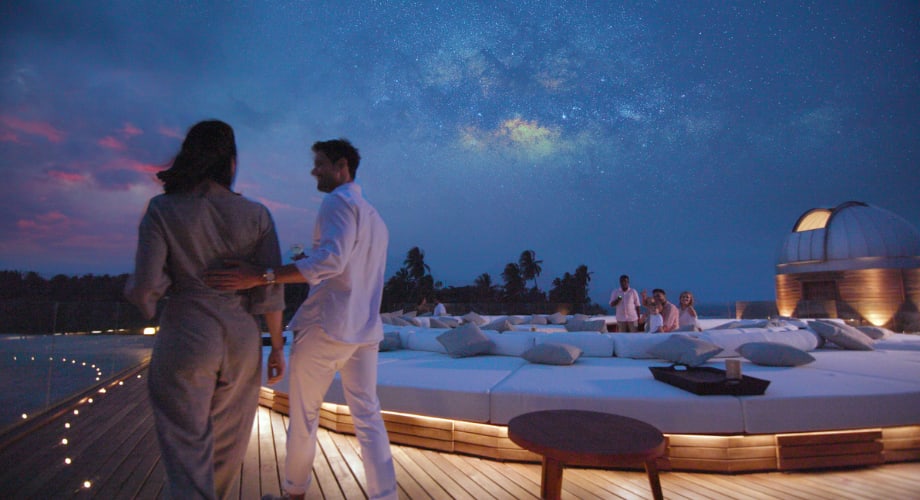
Meanwhile, the Maldives, famous for its turquoise waters and overwater villas, also offers incredible opportunities to connect with the cosmos. Its remote atolls boast pristine, unpolluted skies, and many resorts in The Maldives, now offer astronomy sessions complete with telescopes, expert-led sky tours and cocktails named after celestial bodies to get you in the mood.
The Enchantment of Astrotourism
Apart from taking you to some of the most unspoiled destinations, the allure of astrotourism for many travellers lies in its ability to remind us of our place in the grand scheme of things (humblingly small!) and the breathtaking beauty that lies beyond our everyday lives.
Falling somewhere between mindfulness and science tourism, it offers a unique blend of introspection and discovery, inviting us to connect with the cosmos while uncovering the wonders of our own planet.
Ready to step away from the city lights and plunge into cosmic darkness? You'll be rewarded with some of the most dazzling sights the universe has to offer.
Happy travels, and may the stars forever be with you.
To find accommodation close to the world’s top stargazing spots visit Minor Hotels in Tenerife, discover our hotel in Namibia and browse our accommodation in New Zealand.