It began with a backpack and a dream. When Danny Boyle’s The Beach hit cinemas in 2000, it ignited a global obsession with finding the perfect, untouched island. The film’s setting, Maya Bay on Thailand’s Koh Phi Phi Leh, became the poster child for paradise. But paradise, as it turns out, doesn’t fare well under the weight of mass tourism. The very beach that inspired wanderlust was eventually closed to allow its battered ecosystem to recover. The cautionary tale was also a prompt to look beyond the obvious in search of lesser known islands.
To navigate this archipelago of hidden gems, we turned to someone who knows a thing or two about global discovery. Rodrigo Díaz Dagnino, E-commerce Manager for Minor Hotels in Latin America, brings a digital acumen honed across continents and a passport frayed at the edges from near-constant travel. His insights, shaped by both analytics and adventure, guide us through a curated list of islands that deserve your attention.
Jump to:
Thailand beyond Phuket and Krabi
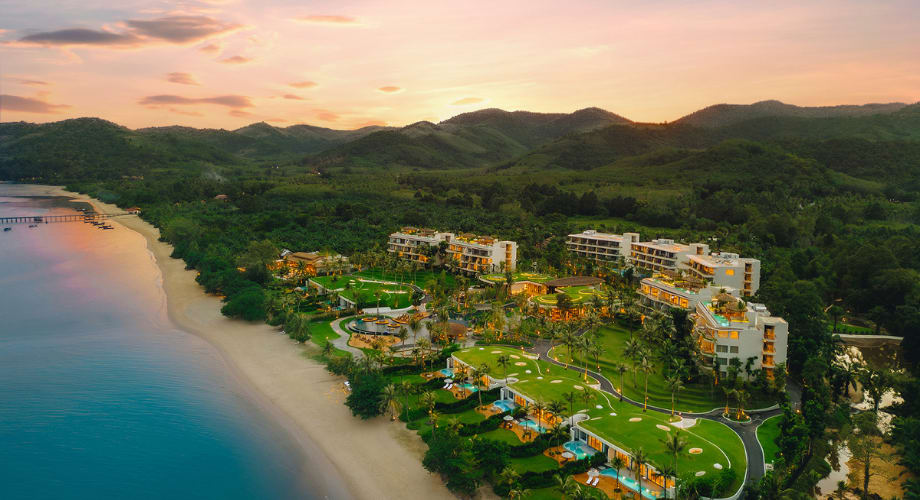
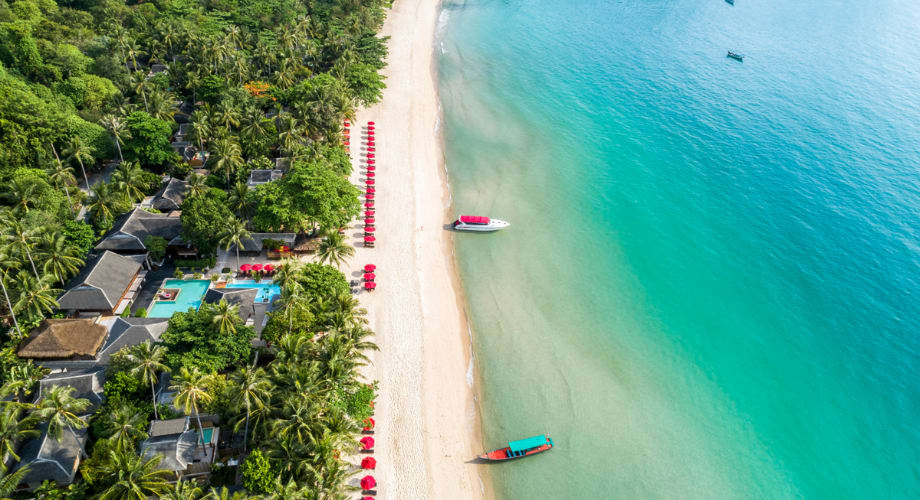
Thailand, ever generous in its geography, offers a constellation of islands that remain blissfully under the radar. Koh Yao Yai, for instance, sits quietly between Phuket and Krabi, a long, languid stretch of land where rubber plantations meet mangrove forests and the loudest sound is the occasional longtail boat slicing through the Andaman Sea. Best of all, staying here doesn’t mean roughing it. The manicured Anantara Koh Yao Yai Resort & Villas, named one of TIME Magazine’s World’s Greatest Places for 2025, will pamper you with indigenous spa rituals, then take you sightseeing in a sidecar, then entertain you with a crab chasing session or a private Muay Thai lesson.
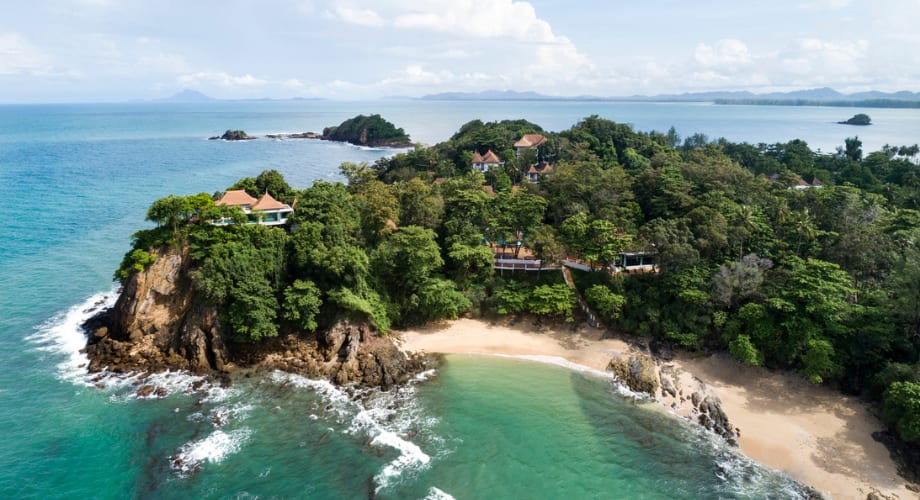
Koh Lanta, a cluster of lesser known islands in the Andaman Sea, remains off the beaten track despite excellent uncrowded beaches. This is the kind of place where you can still find a hammock and enjoy a good book without an EDM soundtrack. The main tourist hub, Koh Lanta Yai, is accessible by car (with a short ferry crossing), by speedboat or by passenger ferry from Krabi Town. Opt for the latter and you’ll be rewarded with a scenic two-hour journey across Phang Nga Bay – where limestone karsts rise like sentinels from the sea. For the best sunsets, book a room at Avani+ Koh Lanta strategically tucked away on a sunset-facing peninsula.
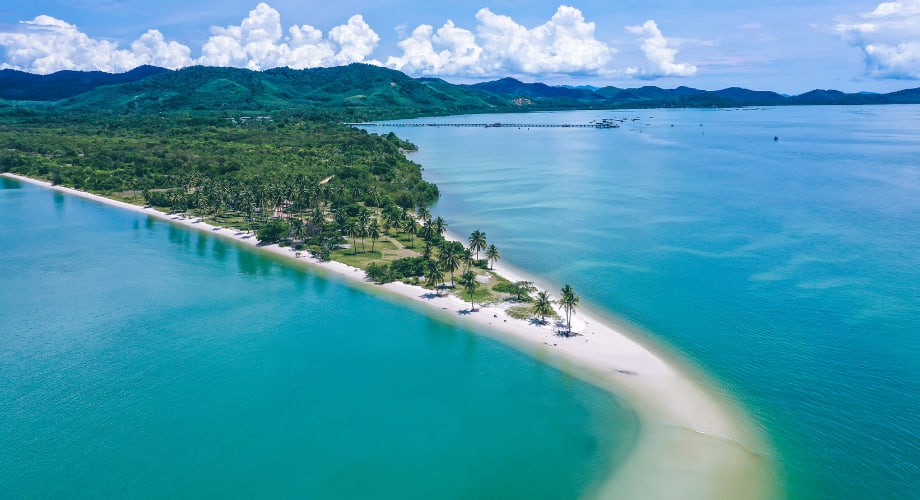
Further south, Koh Kradan is basking in the glow of being named the best beach in the world by the World Beach Guide – yet it still manages to maintain a sense of tranquillity and unspoiled beauty. Come here to get away from it all: no roads, no rush – just a sandbar that stretches invitingly into the sea. During your sojourn on Koh Kradan, hop aboard a boat to explore nearby Koh Muk – home to the famed Emerald Cave, a hidden lagoon accessible only by swimming or kayaking through a dark, 80-metre tunnel. On the other side, you’ll emerge into a secret cove: a small beach fringed with lush vegetation and encircled by towering limestone cliffs, like something out of a pirate’s daydream.
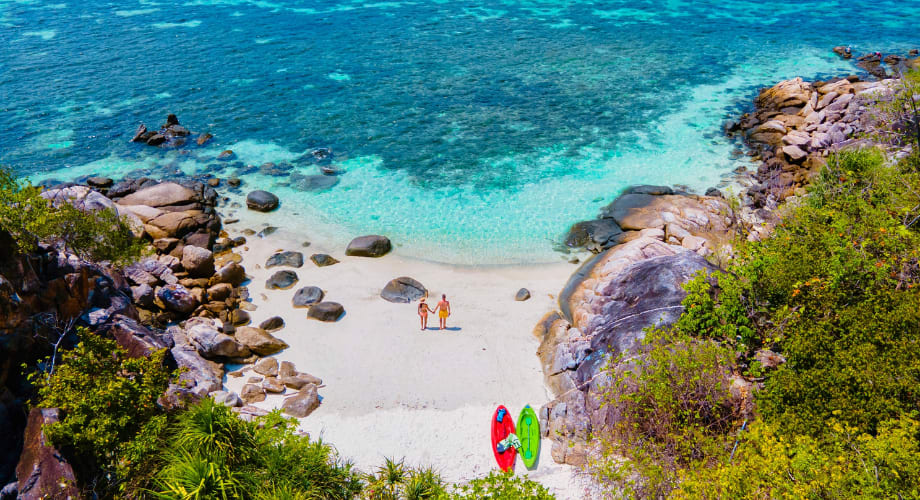
Another Andaman gem, the tiny Koh Lipe is dubbed the Maldives of Thailand. The speck of an island is a diving haven thanks to its location near Tarutao Marine National Park. Unlike its Indian Ocean cousin, the atmosphere here is laid-back rather than glamorous. Days drift by in a haze of beach strolls, coconut sipping, beachfront massages and underwater exploration. Just a hop across the water lies Langkawi, Malaysia’s island playground, offering everything from duty-free shopping to the vertiginous Langkawi Sky Bridge.
Spain’s Lesser Known Islands
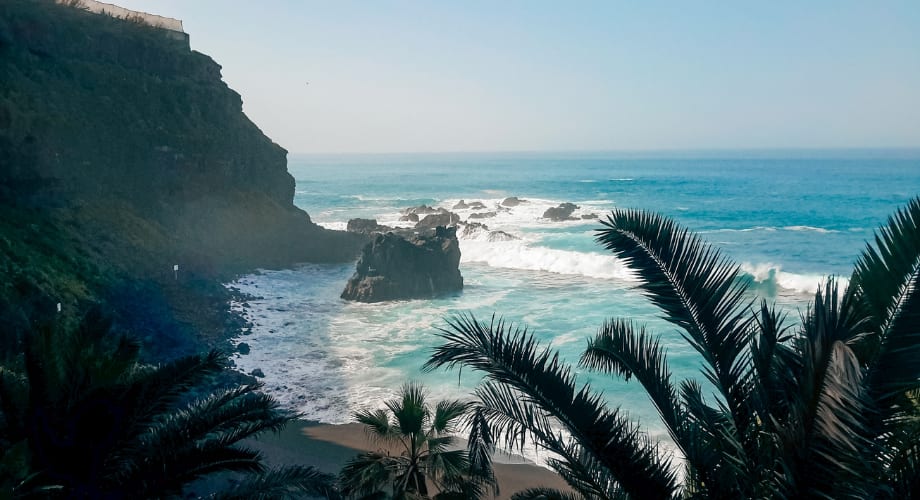
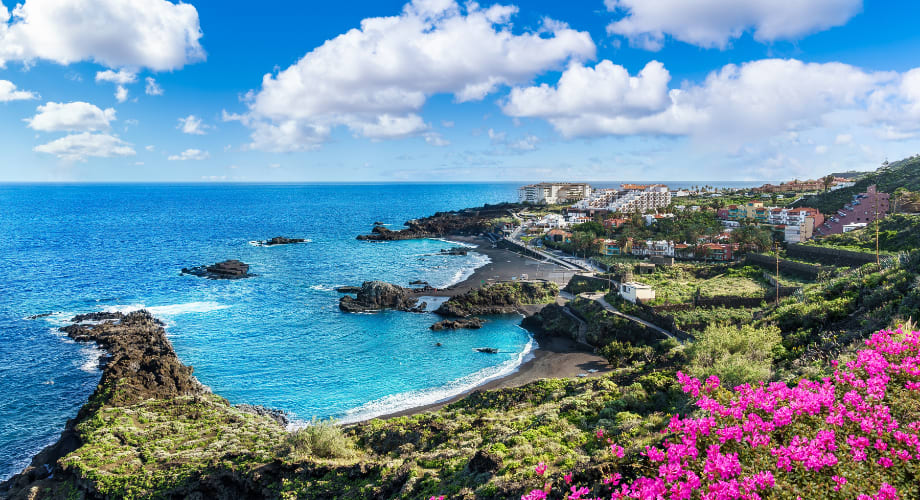
Another country with a famous party island, Spain offers an antidote to Ibiza’s go-go energy in the form of its splendid Canary Islands. While no strangers to sun-seekers, lesser-known islands like La Graciosa, La Gomera and El Hierro promise a quieter, more contemplative escape, particularly in comparison to Tenerife or Gran Canaria.
La Graciosa is among the smallest and least trodden isles of the Canarian archipelago. With no paved roads, no cars and only a modest local population, it remains wonderfully untouched. A ferry from Lanzarote brings visitors to volcanic hiking trails, sandy lanes and ongoing ecological preservation efforts – the island forms part of the Chinijo Archipelago Natural Park.
To soak in the local spirit, attend mass at the Church of Nuestra Señora del Carmen, or explore Pedro Barba, a village that offers a quiet window into traditional island life. For a deeper understanding of the island’s role within the archipelago, its distinctive fauna and the salt flats, drop into the Chinijo Museum — its only one, thoughtfully curated and quietly educational.
A markedly different landscape unfolds on La Gomera, where slender, paved roads trace their way across valleys and up dramatic mountain ridges. They cut through dense rainforest and connect hillside villages that nestle between verdant slopes like Lego bricks tucked into nature’s folds. Hiking is a way of life here – with over 600km of marked trails crisscrossing the island, there’s room for both gentle strolls and ambitious treks. For those looking to explore beyond a single afternoon, booking accommodation makes good sense. Valle Gran Rey and Playa del Santiago offer the greatest concentration of hotels, but rentals are readily available in smaller settlements too – ideal for those seeking a more authentic rhythm of Gomeran life.
Arriving between April and October? That’s prime diving season in the Canary Islands, with resorts in Tenerife filling up with marine enthusiasts from across Europe and further afield. El Hierro, reachable from Tenerife by ferry, is a designated UNESCO Biosphere Reserve, with dramatic submerged lava formations and marine biodiversity that rivals even the Galápagos. And for the quiet thrill of birdwatching, the Cíes Islands off Galicia’s coast promise a rich reward – a haven for ornithologists and the birds they follow.
Hidden-Gem Islands of Southern Italy
Arguably Italy’s most iconic island, Venice has become so saturated with visitors that authorities introduced a fee for day-trippers entering the historic centre. Overnight guests are spared the charge, but the very existence of the levy speaks volumes about the city’s overcrowding. Redirecting your travel budget to Italy’s lesser-known islands offers more than serenity – it provides breathing room for locals and lends economic uplift to the often-overlooked southern regions.
Far from the clichéd portrayals of Italy’s southern reaches, the region offers a bounty of history, raw natural beauty and exceptional food. Just ask Giorgio Armani, who has summered for over four decades on Pantelleria – the volcanic island nestled between Sicily and Tunisia. The fashion designer’s minimalist villa in the fishing hamlet of Cala Gadir was fashioned out of dammusi — traditional lava-stone dwellings topped with white-domed roofs, architectural gems that date back to the 10th century A.D.
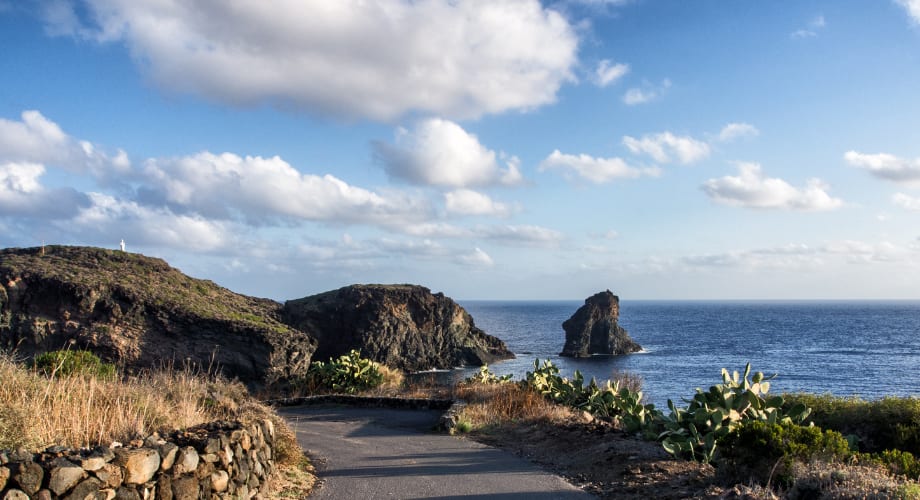
Pantelleria’s terrain tells its own story. Diverse geological features include lava formations, steaming fumaroles and thermal springs. A moped is the ideal way to explore the narrow roads that wind through groves and past the iridescent Lago di Venere, a mineral-rich pool within the island’s national park. Stop there for a mud bath and a moment of serenity. Walking is a great way to explore the Sentiero Romano, a trail once trodden by ancient Romans. For swimming, head to Arco dell’Elefante or Balata dei Turchi – a dramatic rocky beach at the southern tip.
Viticulture here is another draw – the island’s UNESCO-recognised alberello-trained vines are a testament to tradition. Coste Ghirlanda’s Wine Laboratory hosts wine pairing dinners beneath the stars, while Donnafugata’s farmhouse in Khamma offers brunch and tastings of its celebrated Ben Ryé.
Make time for the small pleasures: browse the local market, stock up on groceries at Emporio del Gusto, watch a film at the 1960s Cineteatro San Gaetano, or try the rustic pizza at Panettiere Marrone Francesco in Scauri. For aperitivo hour, head to Officina at the Coste Ghirlanda estate or perch at Kayà Kayà – a fisherman’s shack turned bar overlooking the port. You will most certainly be served the amber-hued passito wine or La Panteska Zibirra, the island’s own crisp brew.
Local cuisine blends Sicilian and North African influences – expect capers picked from local terraces, tuma (a fresh sheep’s cheese) and seafood straight from the island’s shores. Dinner at Il Principe e il Pirata in Punta Karace pairs sea views with honest cooking, and for a final flourish, try the granita at Gelateria Katia on the waterfront.
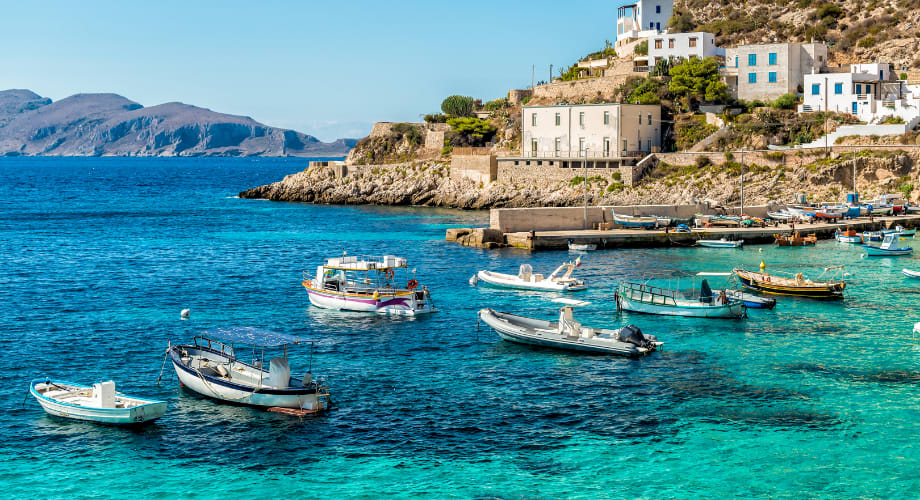
After a few tranquil days on Pantelleria, consider sailing toward the Egadi Archipelago off Sicily’s western coast. This trio of islands – Favignana, Levanzo and Marettimo – offers crystalline waters and a slower tempo. Favignana, the largest, is known for its storied tuna fisheries and bike-friendly terrain. Levanzo and Marettimo are sleepier still, suited to those who measure time in swims and siestas. Chartering a yacht offers flexibility and access to the archipelago’s more secluded corners, though anchoring yourself on dry land in one of the hotels in Palermo is a perfectly charming alternative.
Pocket Islands off the Coast of Algarve
With Madeira and the Azores among its offshore gems, Portugal’s coast hardly needs an introduction. Still, there are islands locals prefer to keep under wraps. Enter Ilha Deserta and Ilha do Faro – Algarve’s hidden-gem islands.
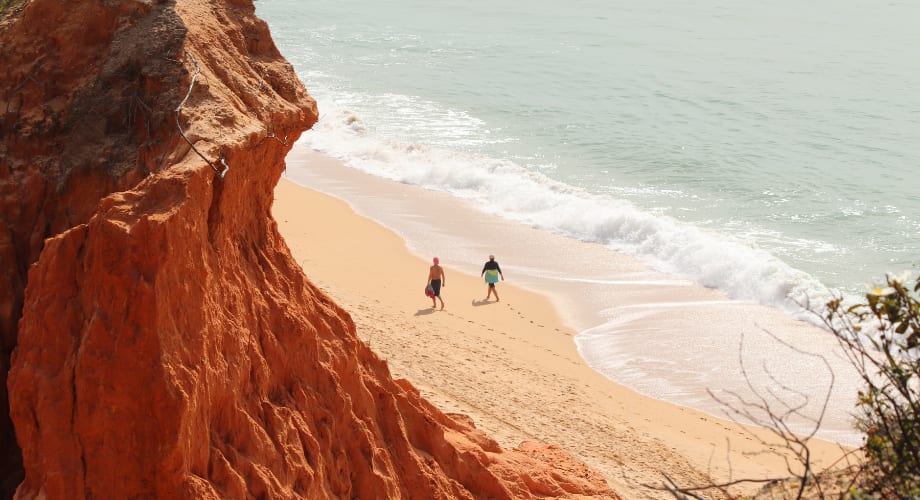
Ilha Deserta, true to its name, is uninhabited apart from a single solar-powered restaurant serving grilled octopus and chilled vinho verde. It’s a place for birdwatching, beachcombing – and briefly pretending you’re the last person on Earth. With no roads, hotels or permanent residents, it offers real escape. Protected within the Ria Formosa Natural Park, its untouched coastline stretches seven kilometres, making it ideal for photographers, nature lovers and sustainable travel seekers.
Ilha do Faro, by contrast, offers lived-in ease. Accessible via footbridge, it’s home to a scattering of cottages, cafés and one of Portugal’s oldest lighthouses. Sunsets here seem to linger just a little longer. The soft, white sands of Praia do Farol extend for kilometres, with calm waters that are ideal for swimming, strolling and sunbathing. It’s a relaxed destination — suited equally to romantic retreats and family beach days.
Neither island demands an overnight stay. They're both ideal day trips to lesser known islands, promising serenity just offshore. Back on the mainland, luxury resorts in the Algarve area offer everything from golf to sprawling kids’ clubs – so you can enjoy the best of both worlds.
A Corsican Hideaway
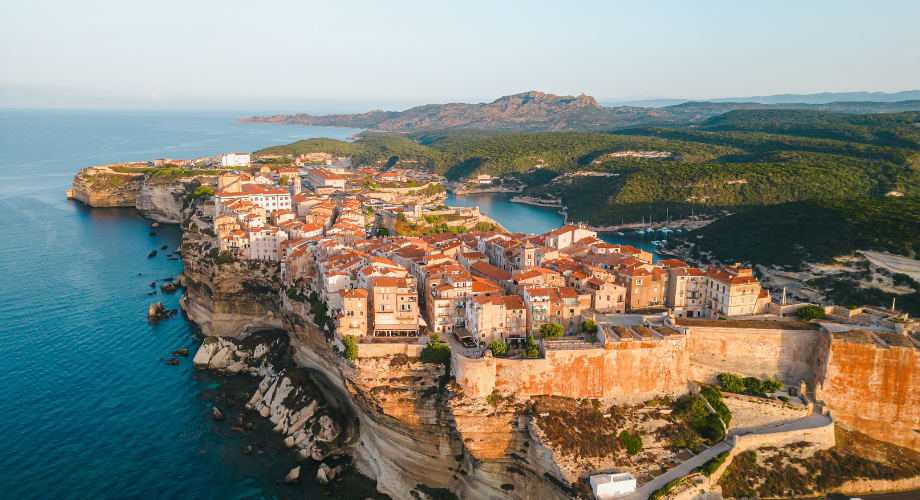
Tucked between France and Italy, Corsica wears both influences lightly. Its dialects, cuisine and customs form a cultural mélange that feels distinct – unmistakably Mediterranean, but proudly Corsican. Though visible from rooftops of ritzy hotels in Nice on clear days, it remains a world apart in rhythm and spirit from the French Riviera.
One of the island’s most rewarding routes is the Strada di i Sensi — the Route des Sens Authentiques — a sprawling network of local producers and artisans committed to celebrating regional terroir. This isn’t a single road but rather a constellation of slow-food inns, craft distilleries and family-run farms that stitch the island’s interior to its coast. Follow the signs to find your way to alfresco terraces serving garden fig soufflé, tomme cheese, chestnut cake and more – nearly 500 stops in total.
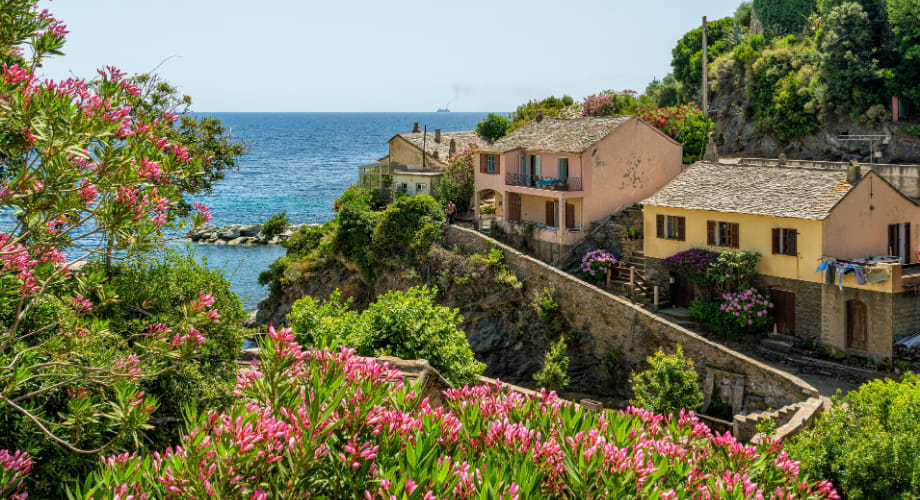
Corsica may draw its share of summer visitors, but it remains far less trafficked than some of its Mediterranean neighbours. That leaves room for those seeking something quieter, something more textured. Beyond the rugged peaks and sprawling maquis shrubland, there’s intimacy – wind-swept beaches reached only on foot, stone villages tucked into cliffs and fishermen who still mend their nets by hand.
History buffs can delve into the legacy of Corsica’s most famous son, Napoleon Bonaparte, with a visit to Maison Bonaparte in Ajaccio — the house where he was born, now a national museum. Nearby, the Palais Fesch houses one of France’s finest collections of Italian art alongside a dedicated Napoleonic archive. Other sites around Ajaccio offer further insight into the early years of the future emperor – ideal for those with a soft spot for 18th-century intrigue.
Cap Corse – the peninsula that crowns Corsica’s northern tip – is understated and wild, dotted with Genoese watchtowers and tucked-away coves. The same can be said of the island’s wild beaches, particularly Plage de Saleccia and Plage d’Arone. Best reached by boat or by foot, they reward patient travellers with something increasingly rare: a silence untouched by tourism.
Between Empires: Mayan islands and Spanish Bastions
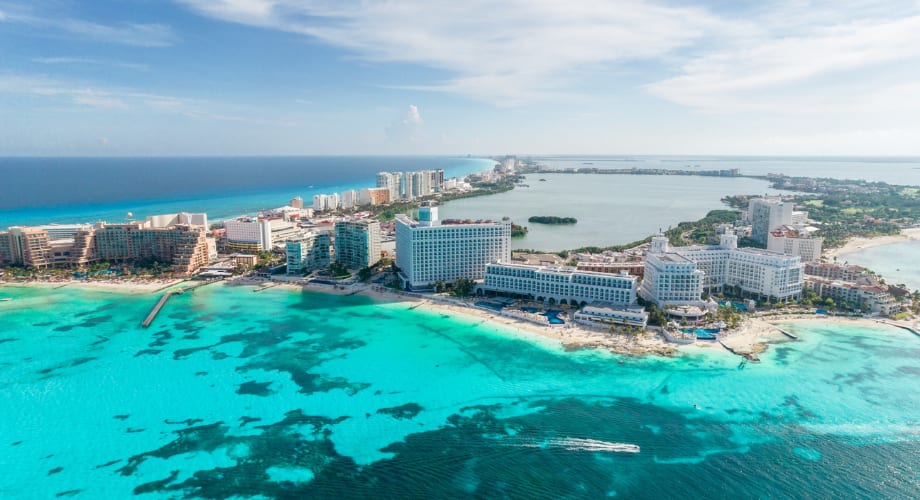
If diminutive Europe still manages to surprise the intrepid traveller with its tucked-away treasures, imagine the possibilities in South America — nearly twice the size and just as layered. Mexico’s Caribbean gem, Cozumel, may be best known as a cruise port, but step beyond the docks and you’ll discover an island steeped in Mayan heritage and marine biodiversity.
Located just south of Cancún, home to the sleek Avani Cancun Airport Hotel, Cozumel is Mexico’s largest Caribbean island. It’s renowned for its coral reefs, with dive sites such as Palancar Reef, Columbia Reef and El Cielo – the latter named for its starfish-speckled sands, a marine haven frequented by elegant stingrays. Curious travellers might opt for a submarine tour or try the Seatrek underwater helmet, which allows for a dry-headed stroll along the ocean floor – even if the look errs slightly on the theatrical.
Prefer to stay dry? Beach clubs like Mr. Sanchos, Paradise Beach Club and Playa Mia offer sun loungers, seaside dining and a leisurely pace. For those who learn best when horizontal, the Cozumel Pearl Farm offers both beachside downtime and an engaging look at pearl cultivation.
Mayan history is at the heart of the island's cultural appeal. Begin at San Gervasio, the island’s most significant archaeological site – and if visiting in May, you might catch a re-enactment of the annual canoe pilgrimage from Xcaret to honour the goddess Ixchel. At Otoch Mayan Experience Park, the reconstructed marketplace bursts with locally crafted wares, pre-Hispanic dance performances invite you to engage with living culture, and tastings of bitter, spicy and frothy xocolatl serve as a reminder that chocolate was once a sacred ritual – far removed from the sugary happiness-in-foil of today. Further afield, quad and ATV tours to sites such as El Cedral and El Caracol reveal more of Cozumel’s archaeological inheritance, offering mud-splashed adventure alongside moments of quiet reverence.
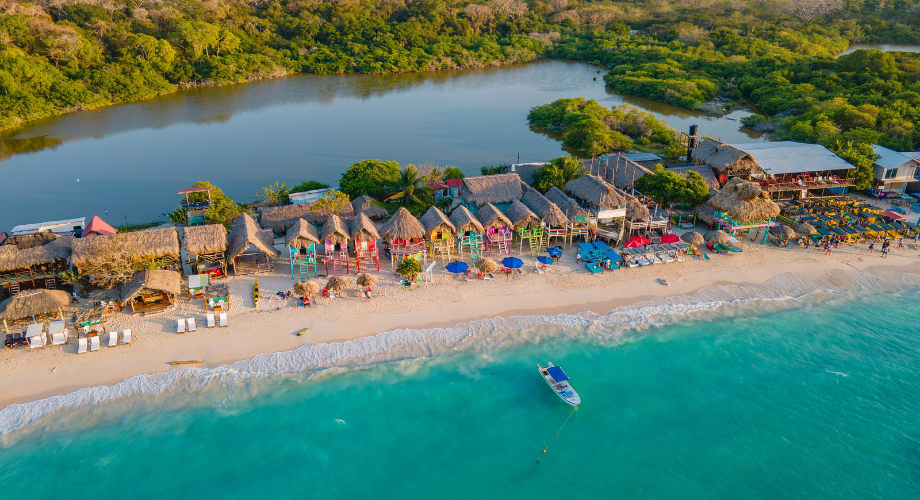
Looking for something even less touristy? Across the Caribbean, Colombia’s Islas del Rosario and Barú, just off Cartagena’s coast, are where locals go to unplug. The Rosario Islands, protected within a national park, are perfect for kayaking through mangroves or catching a glimpse of bioluminescent plankton after dark.
Barú, with its powder-soft beaches and relaxed pace, is accessible by car from your base at NH Cartagena Urban Royal – located on the lively Plaza de los Coches, close to the city's emblematic Clock Tower and other historic sites. Spend your day basking on Barú’s shores, then head back to explore Cartagena’s Walled City — a UNESCO World Heritage site renowned for its exquisitely preserved colonial architecture and fortified walls.
Stumbling upon a place untouched by tourism, the instinct may be to keep it to oneself. But sharing such finds with fellow wanderers needn't mean exposing them to ruin. It simply calls for a gentle reminder: paradise is delicate, and walking lightly ensures these pristine pockets endure – not just for us, but for the generations that follow. Explore pretty islands to visit and stay in comfort with our resorts in Phuket, hotels in Palermo, resorts in Tenerife, resorts in the Algarve area and hotels in Nice.