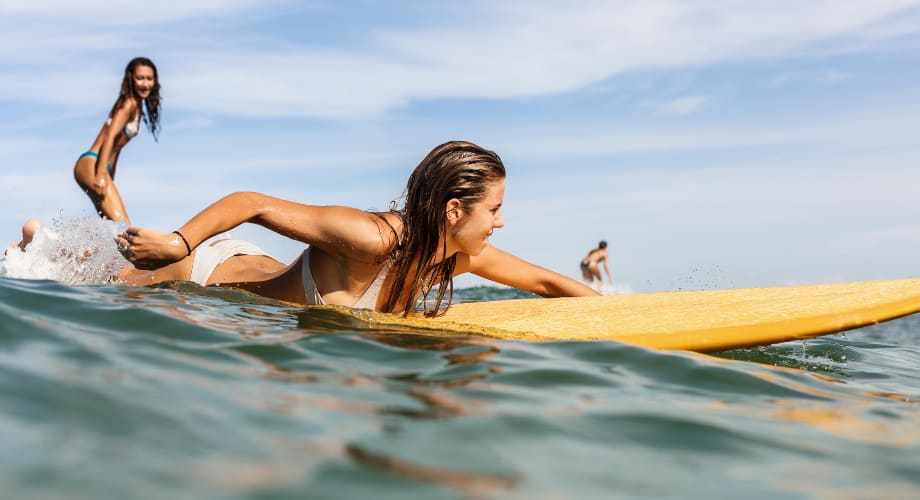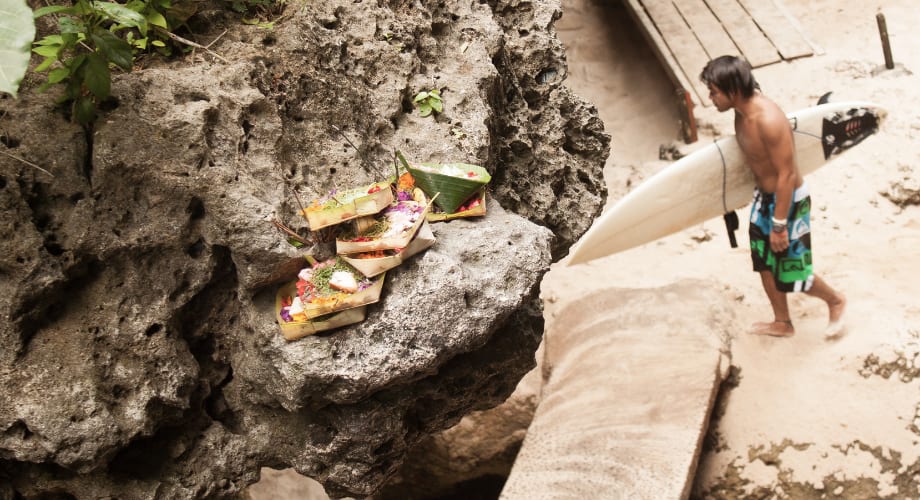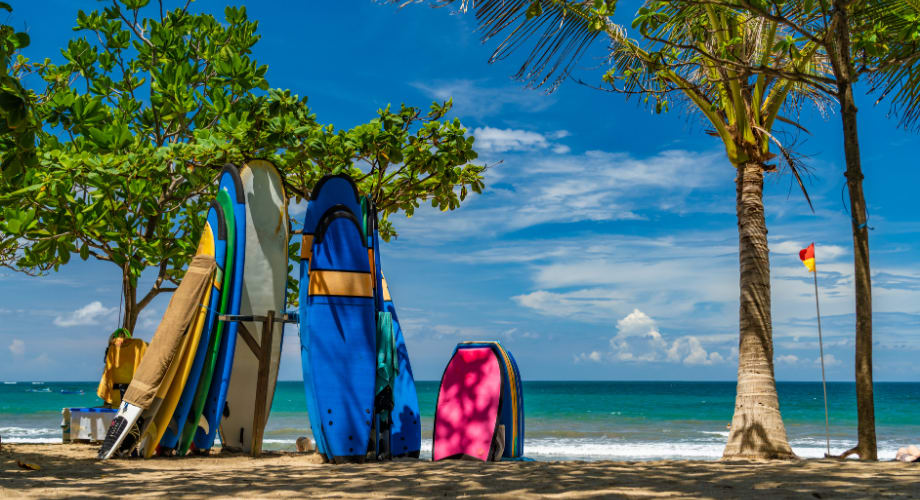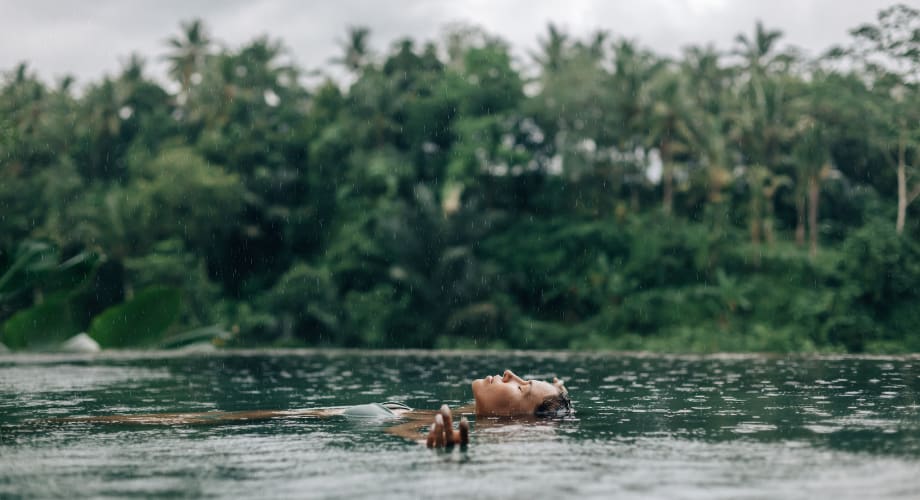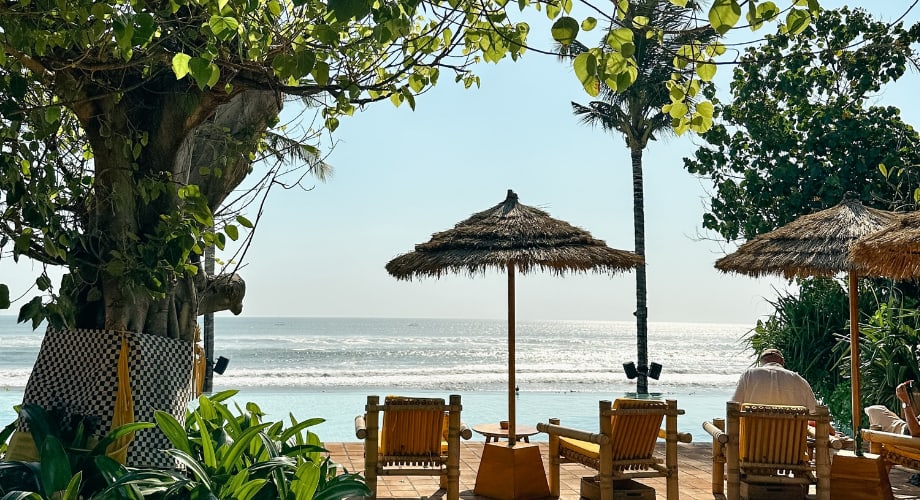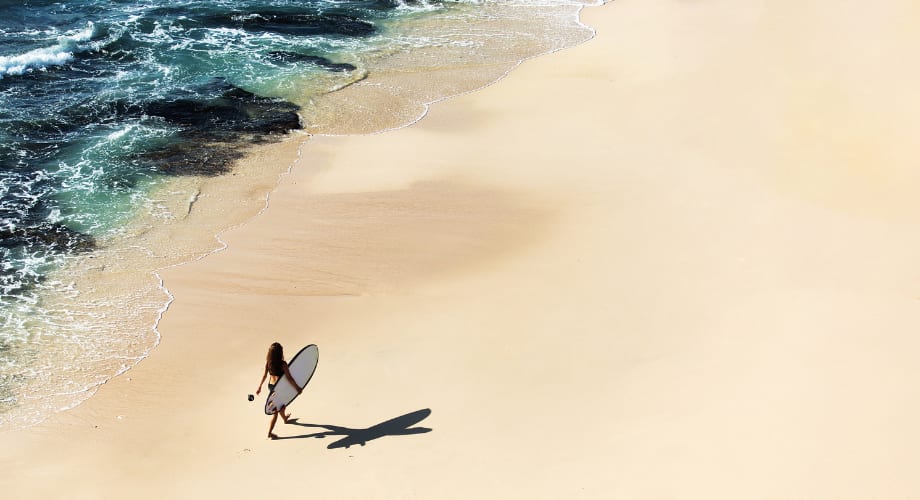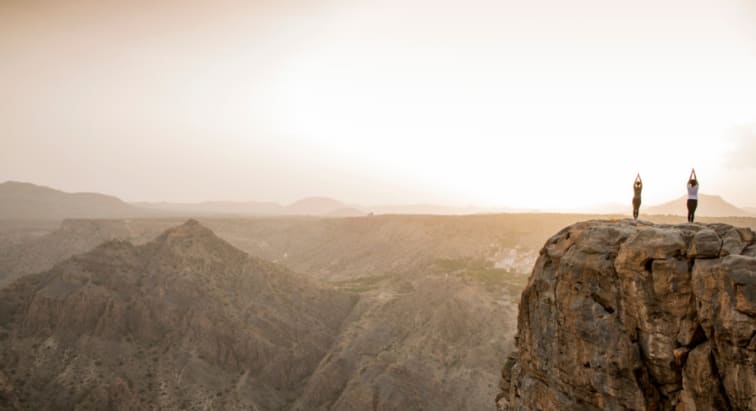
On the Island of the Gods, new ways of being emerge as naturally as the tides.
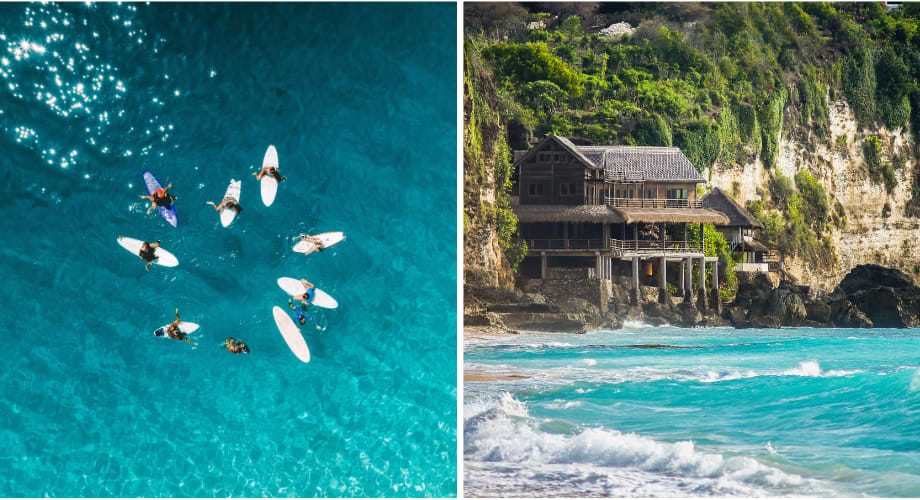
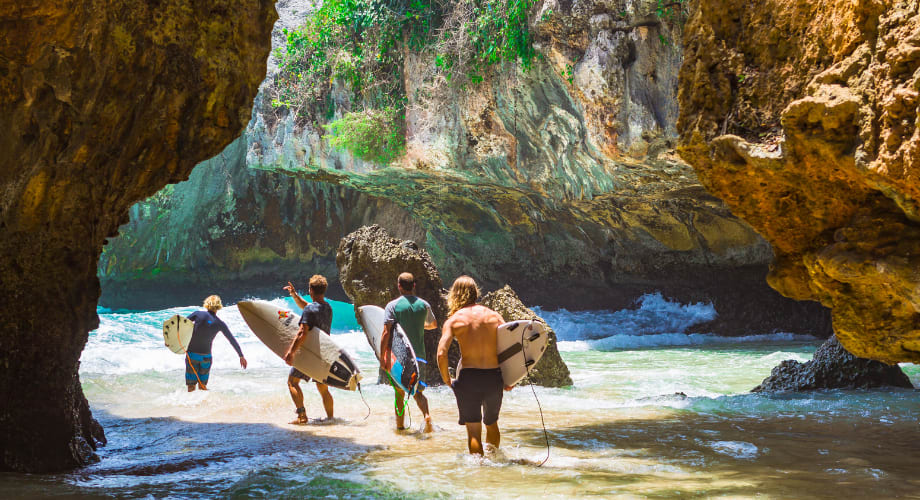
While some seek spiritual guidance within Ubud’s moss-carpeted temples, others find transcendence riding the swell of their lives. With its dramatic cliffs, powerful surf and flamingo sunsets, legendary breaks like Uluwatu bring together pro surfers, local beach boys and girls, and nervous newcomers – all bobbing on the waves in peaceful coexistence, embracing the island’s warm hospitality.
With so many incredible surf beaches in Bali catering to every vibe – from Canggu’s clean-living nomads to the barrel-riding pros at Keramas and Seminyak’s fashionable tribe – finding your crowd is as easy as catching the perfect wave on a glassy morning.
Jump to:
Meet your guide
Born in Jakarta, Dady Primady moved to Bali in 2008, seeking tranquillity after the fast-paced rhythm of Indonesia’s sprawling capital. In Bali, he felt layers of his previous life peel off, the island’s gentleness and beauty instantly capturing his heart. For nearly three years now, Dady has been immersed in Uluwatu – the epicentre of local surfing culture – absorbing its unique blend of spirituality, adventure and community. Read on to discover the best of Bali’s surfing beaches, as recommended by Dady.
Wet'n'Wild: Bali’s surfing seasons
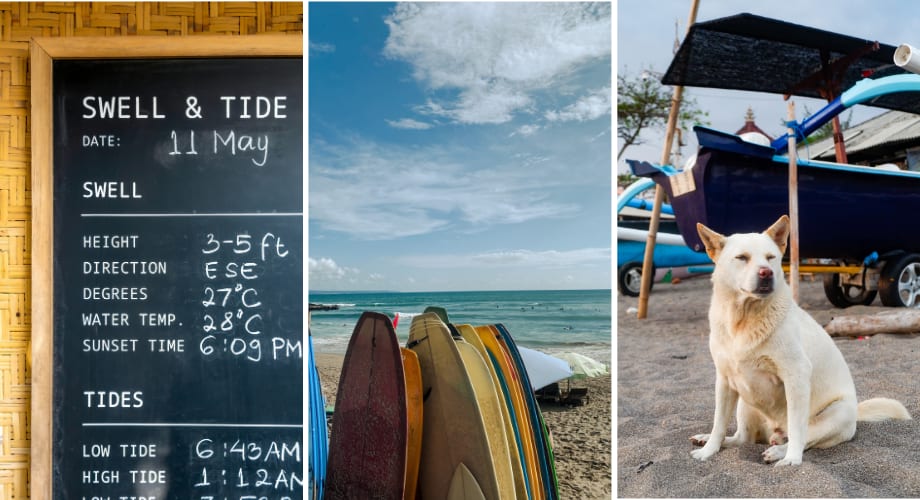
Bali has two distinct surfing seasons: dry and wet. During the dry season, which runs from April to October, the western coast produces solid waves and consistent barrels. This is Bali’s peak surfing period, with iconic spots like Padang Padang attracting the biggest action. However, it’s also when the lineups can get crowded – so if you’re seeking solitude on the sand, this might not be the best time.
During the wet season, from November to March, swells are smaller, humidity rises and monsoons arrive. But while you might miss out on sunny skies, you’ll be rewarded with more elbow room at Keramas, Sanur, Nusa Dua and other popular spots along Bali’s east coast.
Perfect for Beginner Surfers: Kuta Beach's Sandy Bottom and Surf Schools
If you’re focused on mastering the pop-up technique rather than chasing barrels, Kuta is a great place to start – any time of year. As the birthplace of surfing in Bali, it boasts an abundance of established surf schools and rentals. For many novices the main draw of Kuta is the sand bottom, which is uncommon in Bali and is less abrasive. The waves here also last longer and are relatively gentle.
That said, Kuta is not immune to potential rip tides and undertows, so always check for the telltale signs of a rip tide – discoloured water, foamy patches and channels of water moving steadily away from the shore – before entering the water. The south end towards Discovery is generally considered the safest area to learn, as it's less affected by these treacherous currents.
For all it has going for it, Kuta can sometimes feel a bit touristy. On the bright side, it offers direct access to one of the top beginner surf beaches in Bali, with plenty of activities to enjoy, from Balinese cooking classes to day trips to Ubud with its wildly entertaining Monkey Forest, art galleries, award-winning restaurants and jungle spas like the one at Anantara Ubud Bali Resort.
Surf in Legian, eat in Seminyak
Just ten minutes up the coast from Kuta lies Legian, another popular training ground for beginners. Its gentle, rolling white-water breaks are perfect for mastering the basics under the guidance of patient local instructors from the many surf schools lining the shore.
And as any athlete knows, recovery is just as important as training. Outside your surfing routine, take a stroll along the boardwalk, popping into art galleries, or feast on Babi Guling – a whole suckling pig slow roasted with a mix of Balinese spices – at a local warung.
If your soul is craving sophistication, make your way to Seminyak. Book a table at Bali’s culinary institution, La Lucciola, which has been serving top-notch Italian fare with ocean views from an open-sided bamboo pavilion for over 30 years. Other favourites include Mama San for Asian fusion, Motel Mexicola for rowdy fun and Sunset Park at Desa Potato Head for the ultimate sundown experience. It’s a lot to pack into one night, so consider staying a couple of days at Avani Seminyak Bali Resort – secluded yet conveniently close to the beach.
Solo but never alone: Dreamland Beach
If you’d rather not worry about finding accommodation and just want to focus on enjoying yourself during one of Bali’s surfing seasons, a surf camp experience might be perfect for you. Designed for solo travellers and couples, they combine accommodation, surf lessons, and often other activities like yoga or day trips when you can connect with fellow adventurers.
Dreamland Beach is a popular destination for beginner surf camps, thanks to its sandy bottom and relatively mellow waves during smaller swells. Australian surfers, who gave Cimongka Beach its English name, certainly knew what they were talking about – the setting is absolutely breathtaking.
Ready for more: Canggu
After perfecting your paddling and standing up in Kuta or Legian, venture to Canggu, where the waves are more challenging. Popular spots like Batu Bolong and Old Man’s can get crowded, especially during peak season, but the local surf community is known for being welcoming and supportive, ensuring you won’t feel out of place on the waves.
It’s tempting, after a few solid days of staying upright, to feel ready to step it up. However, the waves in Canggu can vary in size and strength depending on the conditions, so it’s always wise to check the surf forecast and choose a spot that aligns with your skill level.
While in Canggu, take the opportunity to explore its thriving digital nomad community and get a feel for the lifestyle. Who knows, you might just find it appealing enough to turn this expat hub into your permanent home.
For Advanced surfers: Uluwatu Beach
Maybe you’ve had enough of being a spectator at the iconic Single Fin bar, watching the action unfold at Padang Padang, Bingin and Dreamland. Either way, you’ve decided – you’re determined to take on the legendary swells of one of the most demanding surf beaches in Bali, Uluwatu.
And determination is exactly what you’ll need, because Uluwatu can be as intimidating as it is exhilarating. Many describe the experience as deeply spiritual, even transcendent. Beneath the shadow of the iconic Uluwatu Temple, powerful waves crash against the towering cliffs, putting nature’s raw power and grace on full display.
Physically demanding and not for the faint-hearted, Uluwatu’s mythical breaks challenge even the most experienced surfers. Mastering these waves requires focus, respect and skill – along with a full presence of mind, completely attuned to the ocean’s rhythm.
Impossible to look away
It’s no coincidence that one of Uluwatu’s breaks is called the Impossible. Known for its swift, barreling waves and a beach path obstructed by boulders and rocks, surfing here is no easy feat. Many surfers find the waves at Impossibles unpredictable and the approach daunting; at first glance, paddling out seems nearly impossible. Yet, for seasoned surfers, home of the Rip Curl Cup is the promised land.
At sundown, as daredevils carve through liquid walls of blue with a precision honed over years of practice, Uluwatu’s cliffside bars come alive with spectators who analyse every bottom turn – the entire scene is bathed in the most breathtaking sunset hues imaginable.
Baby steps: Padang Padang
The innocuously named Padang Padang (meaning 'green grass' in Balinese) is, in fact, one of the most dangerous waves in Bali. Located in the southern Uluwatu area, where powerful breaks crash onto sharp reefs, this spot is strictly pro surfer territory. Novices are strongly advised to steer clear of Padang Padang and instead head to the section known as 'Baby Padang.' Featuring softer, more mellow waves, Baby Padang can be suitable for beginners under the right conditions. While reef booties aren’t strictly necessary, they can be a wise choice to protect your feet from sharp corals and rocks, especially at low tide.
And once you’ve gained some experience, Bali opens up a world of once-in-a-lifetime opportunities: from surfing the thick, heaving barrels at Bingin Beach to nighttime sessions on the jet-black sands of Keramas and taking a boat out to tackle the reef at Nusa Dua. What’s certain is that, whether you’re a novice or a professional, Bali has a way of leaving its mark on your heart and soul.
To stay close to surf beaches in Bali, explore our Resorts in Bali. If you’re travelling outside Bali’s surfing seasons, consider the Indonesian islands of Mentawai where you can surf year-round.