For Kenya’s tourism industry, time can be divided into before and after Out of Africa. The 1985 Oscar-winning film, starring Meryl Streep and Robert Redford, sparked a global fascination with the region. Before its release, safaris were largely the domain of aristocrats and seasoned adventurers: expensive, logistically complex, military-style expeditions with hundreds of porters.
With sweeping views of the Masai Mara, Shaba National Reserve and the Aberdares, the film romanticised the safari more powerfully than any marketing campaign ever could. An infrastructure boom duly followed, making safari travel more accessible, more streamlined and increasingly affordable.
In the decades since, the fascination has only deepened, with luxury safari lodge stays, fly-in circuits, mobile tented camps and soft adventure itineraries drawing new generations into the wild. Whether you're inspired by Sydney Pollack’s masterwork, the adventures of The Lion King or a TikTok reel, Africa has a way of leaving you spellbound.
Jump to:
Tracking the Icons: The Big Five and the Great Migration
You don’t need to be a seasoned safari-goer to know that the Big Five and the Great Migration are East Africa’s answer to the Colosseum and the Eiffel Tower. But what exactly are they?
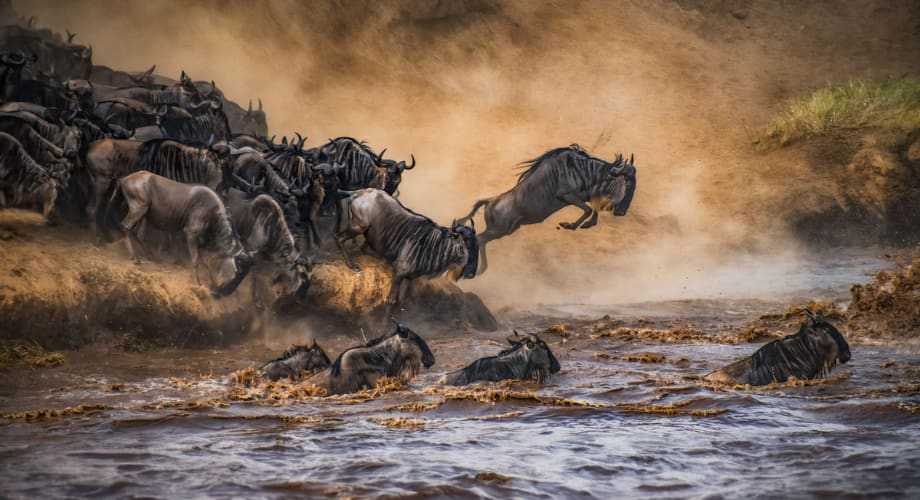
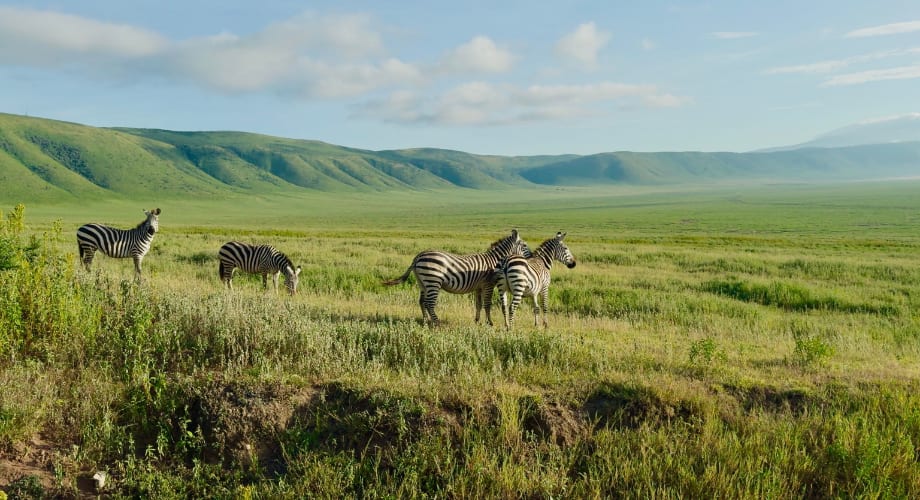
Simply put, the Great Migration is the largest land mammal migration on Earth. Taking place year-round, this circular journey sees approximately 1.5 million bearded and brawny wildebeest alongside 300,000 zebras and countless gazelles thunder across the Serengeti-Mara ecosystem. The herds move primarily through Tanzania from December to June, then cross into Kenya from July to October, guided by seasonal rainfall in search of fresh grazing and water.
Shadowing this epic procession are the predators that define the drama of the savannah. Among them are members of an elite group known as the Big Five. Coined by colonial-era hunters, the term originally referred to the five most challenging animals to hunt on foot. Today, it’s a shorthand for safari royalty: lion, leopard, elephant, buffalo and rhinoceros. Spotting all five is a badge of honour for many travellers, though the true reward lies in observing their behaviours, habitats and majesty.
In Tanzania, the Serengeti and Ngorongoro Crater are prime locations for Big Five sightings, home to large lion prides, elusive leopards and endangered black rhinos. Tarangire National Park is famed for its vast elephant herds, while Lake Manyara offers excellent buffalo encounters.
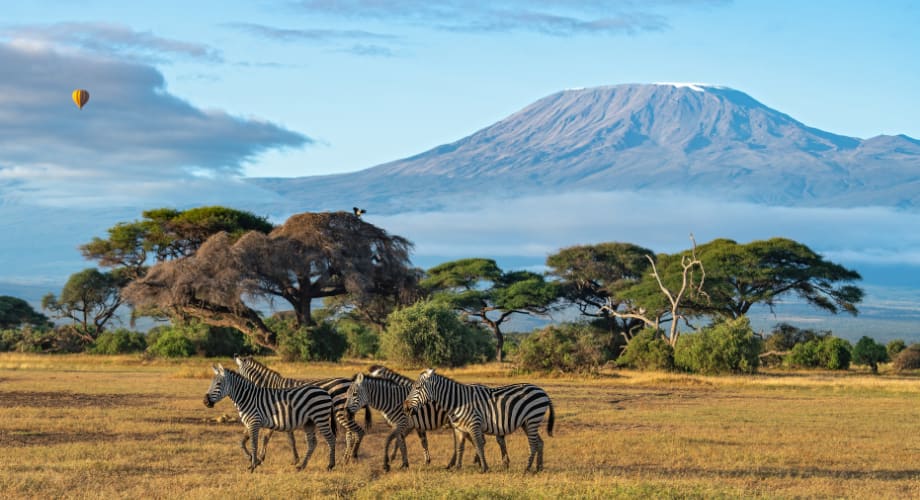
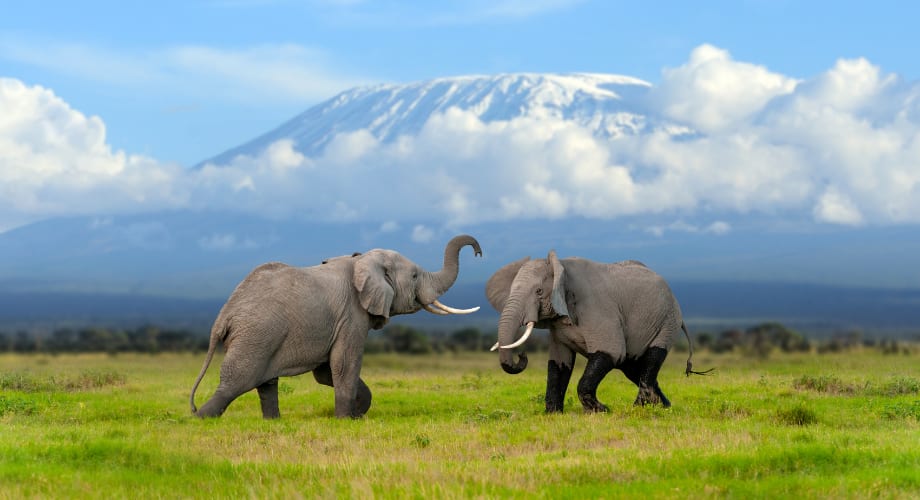
Across the border in Kenya, the Maasai Mara delivers exceptional game viewing, particularly during the migration’s northern phase. Lewa Wildlife Conservancy and Ol Pejeta are standout destinations for rhino conservation, while Amboseli’s elephants roam freely against the cinematic backdrop of Mount Kilimanjaro.
Choose Your Own Adventure: Safari Tailored to Taste
While most first-time visitors arrive with similar experiences on their wish list, the modern luxury safari holidays are far from a one-size-fits-all affair. From mobile tented camps to wellness retreats in the bush, exploring the wilderness can be as rugged or refined as you wish.
For Adventurous Explorers: Mobile Tented Camps
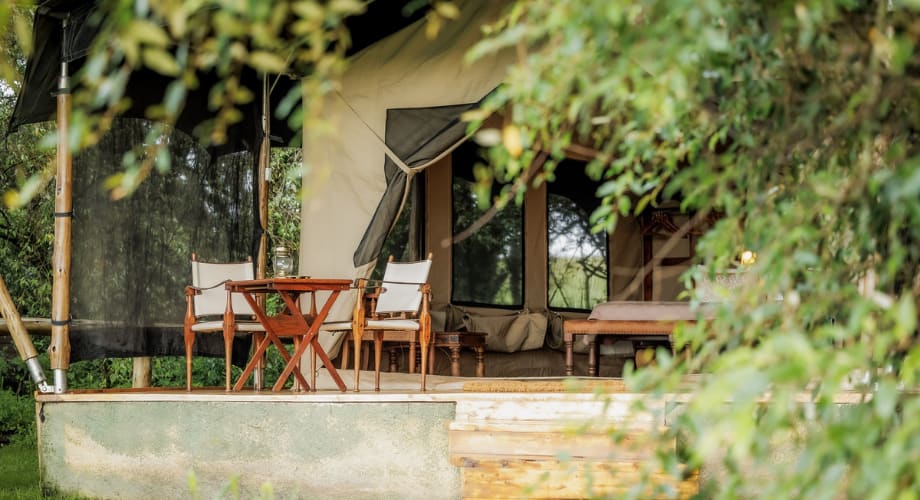
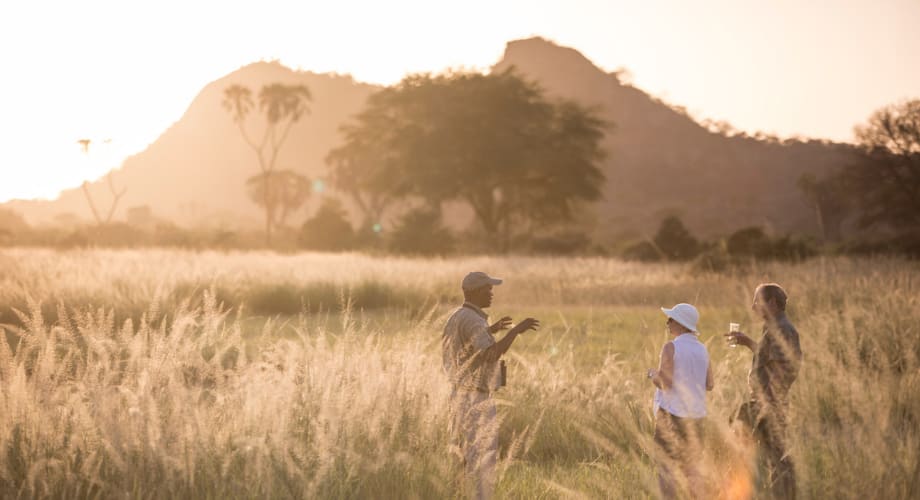
At the more adventurous end of the spectrum, though not without elegance, are low-impact mobile tented camps, pitched exclusively for you and your group. Pitched being the operative word: you’ll want to be comfortable with canvas everything. You’ll follow wildlife migration patterns by day, then return to plush beds, gourmet dinners in a mess tent and showers under the stars. With little separating you from the wild, and no crowds jostling for prime viewing spots, this flexible format offers deep immersion into remote, wildlife-rich terrain.
Ethical Safari Experiences
Another low-impact option is the conservation safari, where the emphasis is on connecting with the land and those working to protect it, from local leaders and researchers to the occasional people scientist. For proponents of ethical travel, joining conservationists on rhino tracking, anti-poaching patrols or wildlife collaring expeditions is as much a draw as spotting a lion napping after a heavy meal (so heavy, in fact, it often renders them immobile – not entirely unlike a certain member of Homo sapiens after Sunday lunch).
For All-Terrain Travellers
For travellers short on time but high on ambition, fly-in safaris offer a first-class ticket to multiple countries and ecosystems. Private charter flights connect circuits across Kenya, Rwanda, Botswana and South Africa, allowing well-heeled adventurers to experience everything from gorilla trekking to desert dune drives without the faff of long transfers.
Safari Retreats
Not all safaris are about adrenaline. In fact, many arrive in Africa hoping to see a lowered heart rate on their trusty wearable. Done right, a wellness safari with its holistic blend of guided yoga, meditation, sleep-outs under the stars and forest bathing is less about marvelling at majestic beasts and more about turning the lens inward.
For Families & Groups
For families or groups, exclusive-use lodges and private villas are gaining popularity, and it’s easy to see why. These setups come with private chefs, guides who double as animators, and fully customized luxury safari itineraries, allowing each day and every meal to be shaped entirely to your liking.
What's the Best Luxury Safari Destination: Kenya, Tanzania or a Combination of the Two?
Once you’ve decided just how wild you want your experience to be, the real dilemma emerges: Kenya or Tanzania? The good news is, you don’t have to choose.Combining both on a single itinerary is widely considered one of the most rewarding ways to explore East Africa’s wild heart.
The two countries share ecosystems, wildlife corridors and cultural threads, yet each offers distinct landscapes and highlights. The Serengeti in Tanzania and the Maasai Mara in Kenya form one continuous ecosystem, with the Great Migration moving between them throughout the year. By pairing both destinations, you can witness different chapters of this epic journey, from calving season in the southern Serengeti (January to March) to dramatic river crossings in the Mara (July to September).
Culture vultures are in for a treat as well. Alongside the Maasai communities that span both countries, Tanzania also offers encounters with the Hadzabe hunter-gatherers near Lake Eyasi and the Datoga pastoralists, while Kenya adds Samburu traditions and Swahili coastal culture to the mix.
A Luxury Safari in Kenya's Wild Heart
If, like many, you choose to begin in Kenya, you’ll be in good company. As the birthplace of the modern safari, the country remains the gold standard for those seeking adventure with polish.
For first-time travellers, Elewana Elephant Pepper Camp offers a pitch-perfect introduction to the luxury safari experience. Set deep within the Maasai Mara ecosystem, the camp rests on fertile plains teeming with wildlife, including over 450 bird species and a dazzling array of resident and migratory mammals. With just eight luxury tents, the camp feels intimate and exclusive. Beyond the thrill of spotting the Big Five on game drives, there are guided nature walks for the bird- and plant-curious, while young explorers learn fire-making and wildlife tracking from Maasai warriors from nearby villages. At night, while the rest of the group is off spotting feasting hyenas, you might find yourself stargazing in silence, wrapped in a blanket and lost to the world.
Another standout in the Mara is the Elewana Sand River Maasai Mara lodge. This is the place to live out your Out of Africa reverie. Set along the banks of the Sand River, deep within the Maasai Mara National Reserve, the boutique camp is refined and romantic. And while you won’t be reenacting the film’s iconic riverbank hair-washing scene (there are showers for that), the setting is cinematic enough to make you feel as though you’ve stepped into the story. For those who dare to take to the skies, the reward is a dawn hot air balloon flight over the golden savannah as morning light casts long shadows across herds of wildlife below.
If you’ve ticked off the Mara and are ready to venture further, take the road less travelled to Elewana Tortilis Camp Amboseli, which sits pretty in the shadow of Mount Kilimanjaro, with Amboseli’s iconic elephants silhouetted against Africa’s most famous peak. Or head north to the lodges on the Laikipia Plateau, a sprawling 57,000-acre conservancy offering activities that range from horse riding and camel trekking to guided bush walks, mountain biking, fishing and sleeping under the stars in a four-poster bed perched atop a rocky kopje (yes, like the one in The Lion King.)
In Kenya’s rugged northeast, Elewana Elsa’s Kopje Meru is a masterclass in romantic isolation. Sculpted into Mughwango Hill, above the site of George Adamson’s original camp, where the pioneering conservationist worked to rehabilitate lions, elegant cottages boast private verandas that open onto views of such heart-stopping beauty, it’s little wonder the lodge was named the Good Safari Guide’s ‘Best Safari Property in Africa’.
Flamingos and ฺBaobabs in Tanzania
While Kenya may grab the headlines, Tanzania has been playing the long game. With more land under conservation than Kenya, the country offers uninterrupted ecosystems that stretch as far as the eye can squint. The Northern Circuit of Serengeti -Ngorongoro, Lake Manyara and Tarangire- is a luxury safari experience of world-class caliber, guaranteed to have you reaching for your binoculars with childlike glee. Further afield, parks like Ruaha and Katavi remain blissfully wild and uncrowded.
With Arusha Airport now welcoming international flights, the city is more firmly positioned than ever as the gateway to Tanzania’s safari circuit. Time permitting, decompress for a few days at Elewana Arusha Coffee Lodge, tucked into the verdant fringe of a working plantation on the city’s outskirts. Unwind in your plantation house, make the most of the pool (a rare luxury in the bush), or swap stories with returning adventurers beside open log fires.
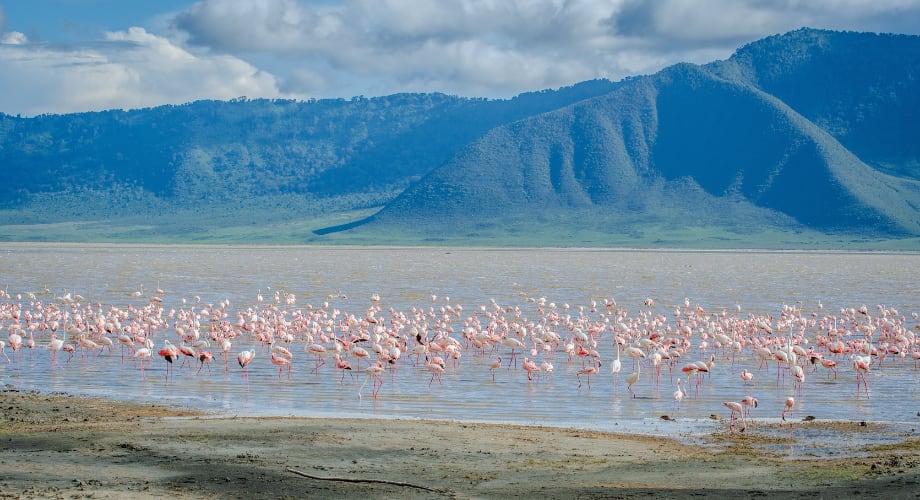
From there, head into the rolling hills south of the Ngorongoro Crater, the UNESCO World Heritage Site often hailed as the Eighth Wonder of the World. The extinct volcano, with its 18-kilometre-wide crater floor, is a natural amphitheatre of grasslands, swamps and forests supporting everything from endangered black rhino and large-tusked elephants to flamingos who gather at Lake Magadi (the soda lake) at the center of the crater. Stay at Elewana The Manor at Ngorongoro, a collection of elegant Cape Dutch-style cottages that trade canvas for crisp linen and Victorian-style clawfoot baths.
If you’ve ever wondered what life as a bird might be like, Elewana Tarangire Treetops offers an elevated experience, literally. Perched on the border of Tarangire National Park, its generous treehouse-style rooms are suspended above the ground, with panoramic views across marula and baobab canopies. The wonderful Maasai team members act as storytellers, guides and guardians of the land, eager to share their knowledge and traditions with guests who ask the right questions.
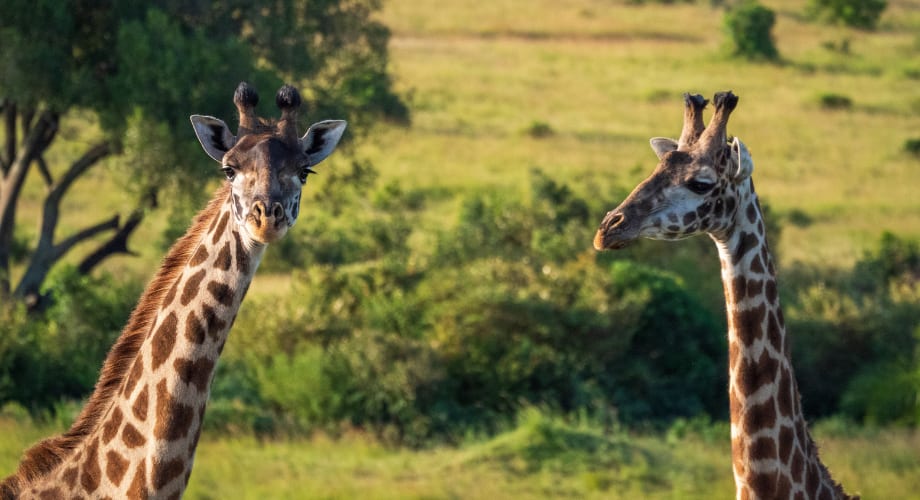
If you prefer to move around less and see more, base yourself in the Serengeti. Together with Kenya’s Maasai Mara, this vast UNESCO-protected ecosystem hosts one of the most spectacular wildlife events on Earth: the Great Migration. The Serengeti is also home to the Big Five, along with cheetahs, giraffes, hippos, hyenas and over 500 bird species. The Seronera Valley, in particular, is famed for its predator sightings and dramatic scenery. Well established and well loved, accommodation options abound, from zero-footprint pioneer camps to opulent elevated tents and contemporary safari lodges with classic hotel-style rooms and every modern convenience.
The Asian Safari: Sri Lanka and Thailand
When one thinks of the best safari holidays, the mind often drifts to the savannahs of East Africa. But tucked into the Indian Ocean, the modestly sized and easily navigable Sri Lanka boasts an impressive 28 national parks.
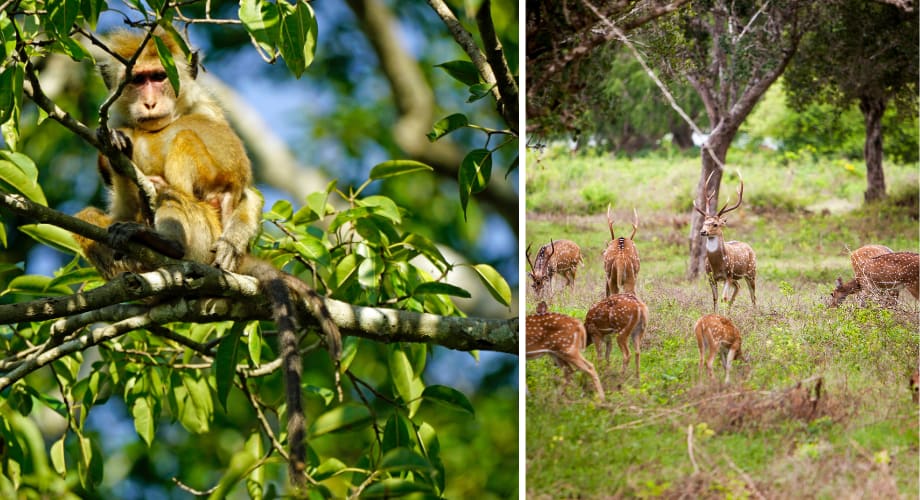
Yala is Sri Lanka’s answer to the Serengeti, minus the crowds. Home to one of the highest leopard densities in the world, sightings here are all but guaranteed. If elephants are your spirit animal, Udawalawe won’t disappoint. With one of the densest Asian elephant populations on the planet, the park delivers sightings within minutes of arrival. It’s also conveniently located, making it ideal for those short on time but long on curiosity. Stay at Anantara Peace Haven Tangalle Resort, less than two hours from both parks, and return to Ayurvedic treatments at the spa, cliffside dining with dramatic ocean views and the privacy of your pool villa.
In eastern Sri Lanka, Gal Oya National Park’s boat safaris are a delightful reminder that elephants are excellent swimmers. Unlike traditional jeep excursions, these water-based outings have you gliding across the tranquil reservoir, observing elephants as they wade or swim between forested islands, their trunks raised in snorkel-like fashion. This behaviour is exceptionally rare in the wild, making the journey to this remote park more than worthwhile. Alongside elephants, you might spot crocodiles, deer, monkeys, pelicans, cormorants and the Sri Lankan junglefowl.
Away from the surf-happy coast, in central Sri Lanka, you can witness The Gathering – one of the most spectacular wildlife events in Asia and arguably the world. Each year, between July and October, hundreds of wild Asian elephants converge at Minneriya National Park. At its peak, you might witness up to 700 elephants in one place, socialising, bathing and feasting on fresh vegetation. Late afternoons are prime viewing hours as wise matriarchs, playful calves and other members of various herds gather near the water. The Gathering is a must-see for anyone seeking a quieter, more intimate alternative to Africa’s big-ticket safaris.
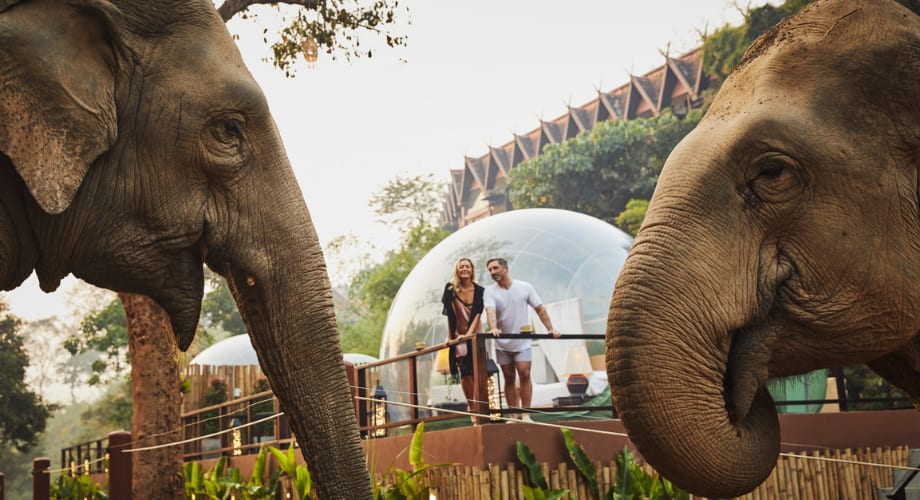
Across the Bay of Bengal, Thailand’s beloved pachyderms prefer their mornings slow and sociable. In Chiang Rai’s misty hills, Anantara Golden Triangle Elephant Camp & Resort is home to an award-winning elephant camp that blends conservation with scientific research. The resort’s Dusk-to-Dawn Jungle Bubble experience turns the safari concept on its head: you sleep in a transparent orb while gentle giants from the caretaker village peer in, then join you for breakfast on the terrace (fruit for them, croissants for you).
Final Insights for Your Safari Holidays
While Sri Lanka and Thailand offer safari-lite experiences for those easing into the wild, Kenya and Tanzania are for travellers who’ve had a pith helmet and walking boots waiting patiently for their moment in the sun. The hat – nostalgic and impractical – can stay in the cupboard, but a pair of trusty boots will serve you well on a luxury safari. Best to break them out now, so they’re broken in when the adventure begins.
In Africa, find your perfect stay in Kenya and stay comfortable with our Tanzania accommodation. For Asian safari adventures, explore hotels in Sri Lanka.