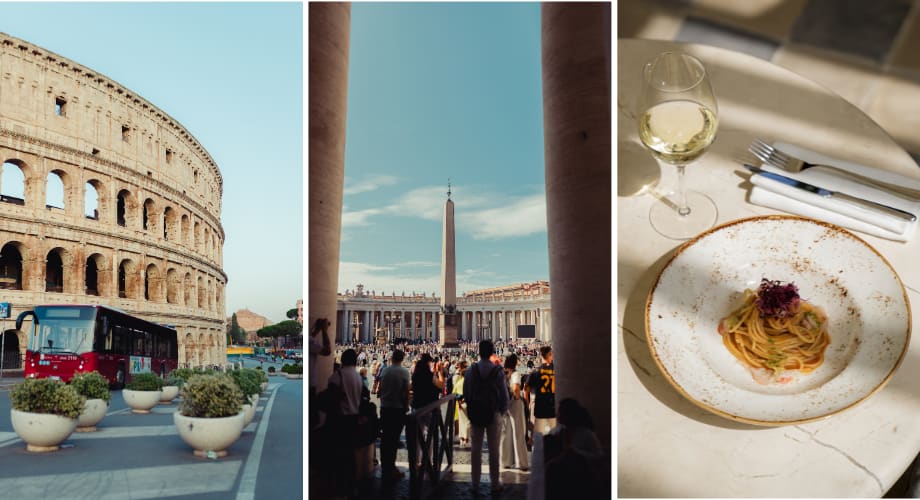
You never forget your first pasta. Not the one shared during a family outing to the shopping mall and paired with unlimited breadsticks, but the well-sauced carbonara that transported you from a checkered tablecloth in a Roman osteria to a mythical place where eggs taste like cream. Or the aggressively al dente linguine vongole in a fancy canalside restaurant in Venice – so good, you don’t even mind the exorbitant price tag.
How can something so simple be so divine? It’s one of the great culinary mysteries. Right after the other mystery surrounding pasta: its origins. For a dish so deeply tied to Italian pride, the history of pasta remains intriguingly obscure.
While the widely popular story of Marco Polo bringing pasta to Italy from China is most certainly a myth, there is evidence suggesting that its roots may extend beyond Italy. Be that as it may, no one doubts that the pasta we know and love today was refined and popularised in Italy, starting with ancient Rome.
And so it is to the Eternal City that we turn in our quest to discover what makes eating pasta in Rome a bucket list activity for any foodie worth their salt.
Jump to:
-
Pasta 101
-
Trevi: love at first bite
-
Finding your appetite in Trastevere’s maze
-
Eating your way through Monti
-
Testaccio: farmers market delights
-
Prati’s elegant eats
-
FAQs
Pasta 101
With over 350 unique pasta shapes, each designed to complement specific sauces and ingredients (and please the eye, surely?), you can learn a lot about regional Italian cuisines based on whether local recipes call for spaghetti (best for lighter, oil-based sauces), fusilli (excellent for clinging to thicker, cream-based sauces) or adorable orecchiette (perfect for chunky sauces and for keeping fussy eaters entertained).
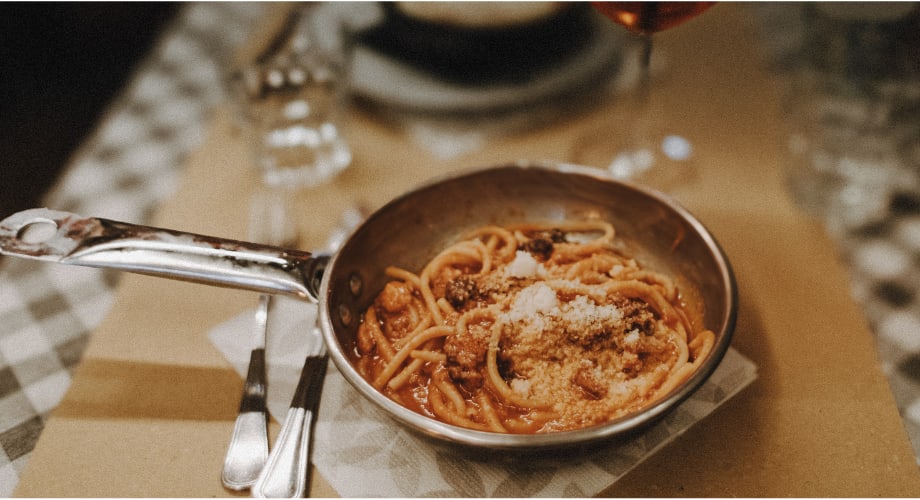
In Rome, as a pasta explorer, you’ll be dining mostly on rigatoni, tonnarelli and bucatini. Tubular rigatoni holds robust sauces like amatriciana in its ridges. Tonnarelli, a thicker version of spaghetti, pairs beautifully with creamy carbonara, while bucatini’s hollow centre soaks up the flavourful sauce in gricia like a sponge.
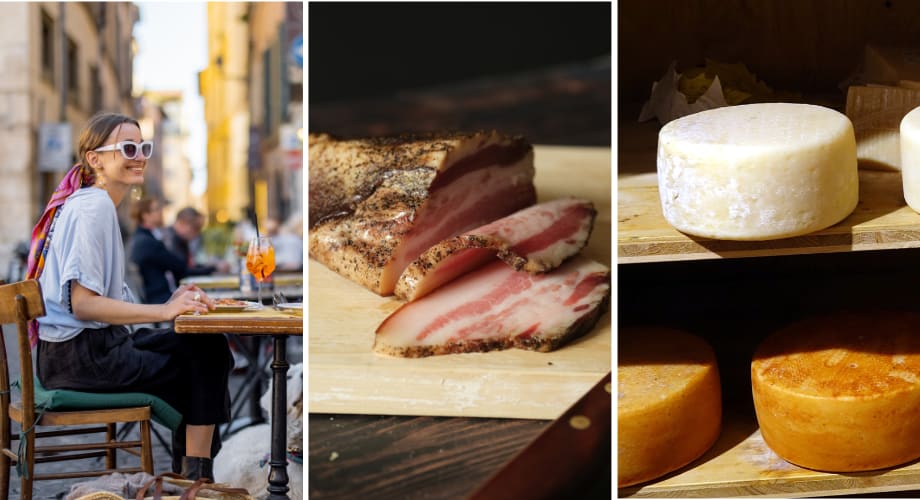
Also, be prepared to eat plenty of pork. The three most popular local pasta dishes – amatriciana, carbonara and gricia – all depend on the rich, savoury flavour of salt-cured pork cheek (guanciale) to add depth. That said, chefs are usually happy to accommodate requests for plant-based alternatives or gluten-free pasta.
Daria Triolo, our Property Director of Marketing and Communications at Anantara Palazzo Naiadi Rome, was born and raised in the Eternal City. As a native Roman, whose work brought her up to Northern Italy for more than a decade in Milan, she still says that nothing beats Rome and the food, where the ingredients are simply fresher. She did give us a warning, though, not to do more than two pasta tastings per day since the pasta in Rome is truly rich and flavourful. With years now back in Rome, she definitely has a recommendation or two on exactly where to go and what to get. One of the first places to start with is trying the classics, and in Daria's opinion, that is Giggetto al Portico d'Ottavia, especially for amatriciana and gricia.
Trevi: love at first bite
It’s almost a given that your Roman holiday will start somewhere near the Trevi Fountain – and for good reason. This historic district is packed with iconic landmarks, charming churches and its star attraction – the Pantheon – just minutes away. During the broiling summer heat, gelaterias will keep you cool, but in winter, when temperatures can dip to 12°C, you’ll crave something heartier. Enter Armando al Pantheon, a beloved Trevi district institution serving traditional Roman cuisine since 1961.
In the cosy, wood-panelled dining room regulars and tourists rub shoulders over classics like spaghetti cacio e pepe with pecorino and black pepper. Daria recommends going to Il Pastaio di Roma on Via dei Coronari for the ultimate tagliolini cacio e pepe or Osteria da Fortunata in Piazza della Cancelleria for an amazing pasta all'amatriciana. For the adventurous, there is pasta made in the best of Rome’s zero-waste "quinto quarto" tradition that highlights the flavourful, unconventional cuts of the animal, from brains to trotters. After a leisurely lunch at this strong contender for the title of best pasta in Rome, stroll over to Sant’ Eustachio Caffè to experience their famed coffee, brewed with home-roasted beans and blended with water from an ancient aqueduct.
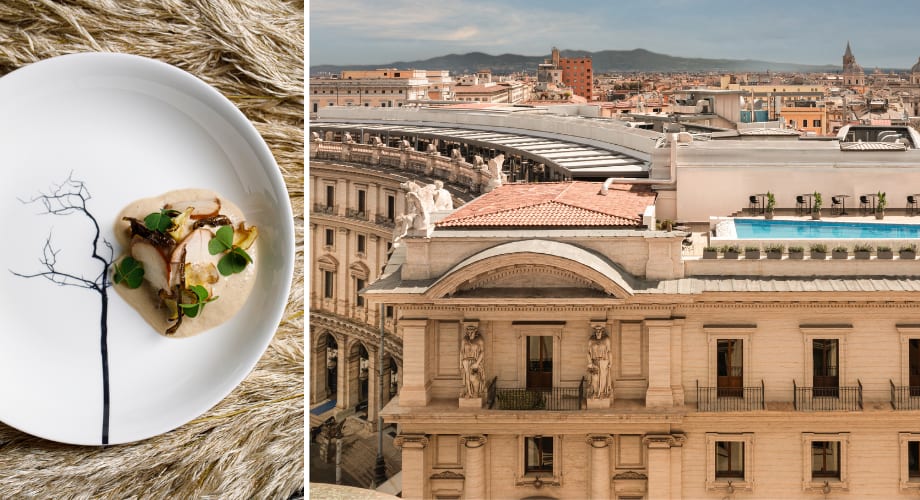
While you’re in the area, don’t miss sights like Palazzo Bonaparte, the restored residence of Napoleon Bonaparte’s mother, which now serves as a cultural hub for art and exhibitions. As evening falls, make your way to Piazza della Repubblica, anchored by the imposing silhouette of Anantara Palazzo Naiadi Rome Hotel. At Ineo, the hotel’s fine-dining restaurant, chefs turn traditional Roman recipes into such contemporary masterpieces as spaghetti cooked in rabbit stock and topped with caviar and nori seaweed.
This ethos extends to the hotel itself. Built atop an ancient Roman bathhouse, its carefully preserved ruins are visible beneath a glass floor – a true fusion of luxury and history. For another way to stay surrounded by archaeological treasures, consider The NH Collection Roma Palazzo Cinquecento, just next door, where an elegant garden reveals its own Roman ruins.
Finding your appetite in Trastevere’s maze
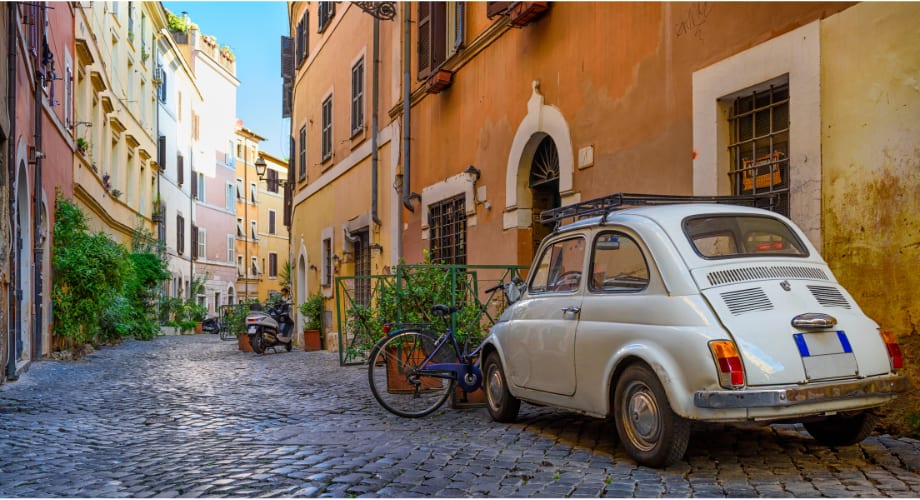
For excellent pasta in Rome without the price tag of the old city, plan your day around the sights and bites of Trastevere, a former hub for artisans and immigrants that has retained its bohemian charm. As you cross the Tiber, the cobblestoned streets, garlanded with vine and lined with quaint shops, will steal your heart – and likely your sense of direction. Getting lost here is a gift, leading to delightful discoveries, including some of Rome's most beloved trattorias.
If you prefer to be guided by insider knowledge rather than your gut, follow the locals who swear by Ercoli 1928 for its flawless carbonara, made with tubular mezzemaniche pasta, organic eggs, crispy Tuscan guanciale and sharp pecorino romano. Another favorite is Trattoria Da Enzo al 29, known for its egg yolk carbonara and artichoke in salsa, served from a home-cooked menu in a bustling alleyway. For a timeless cacio e pepe, Roma Sparita’s creamy, pecorino-packed version, served in a crispy parmesan basket, is hard to beat.
Eating your way through Monti
In Monti, where traditional trattorias coexist with newer, innovative eateries, the Colosseum and Roman Forum draw tourists like a tray of trapizzini (pizza cones) or pizza al taglio (by the slice) entices hungry passersby. While sampling street food on the go is one of Rome’s enduring pleasures, serious gourmets will want to sit down to savour every bite. And Monti is brimming with eateries that require your full attention.
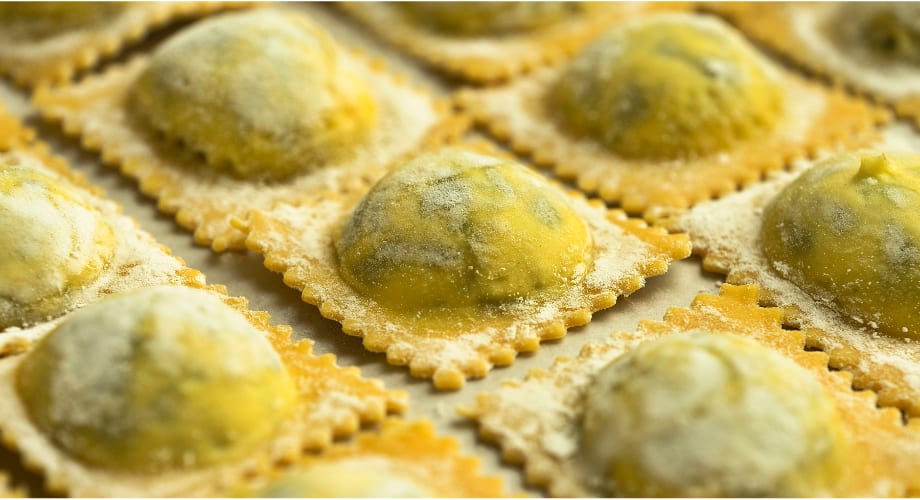
Take, for instance, Colline Emiliane, a long-standing, family-run spot in Monti where pasta is handmade following recipes passed down through generations. The cuisine of Emilia-Romagna shines here in dishes like eggy, fluffy tortellini packets filled with spinach and ricotta. If you're keen to do as the Romans do, try quintessential local classics like spaghetti alla carbonara enriched with generous amounts of guanciale at Taverna Romana. Another option for the best carbonara in town, which is recommended by Daria herself, is to get it at La Carbonara on Via Panisperna.
For a modern twist, try Oro Bistrot, the brainchild of celebrated Italian chef Natale Giunta, located at NH Collection Roma Fori Imperiali. Try his Roman-inspired agnolotto pasta made with oxtail – a hallmark of Roman culinary traditions, or the Sicilian-influenced cavatello pasta with garlic, olive oil and sea urchins. Cap off your evening with a glass of wine at the bar or a cocktail on the rooftop for stunning views of Monti’s landmarks.
Testaccio: farmers market delights
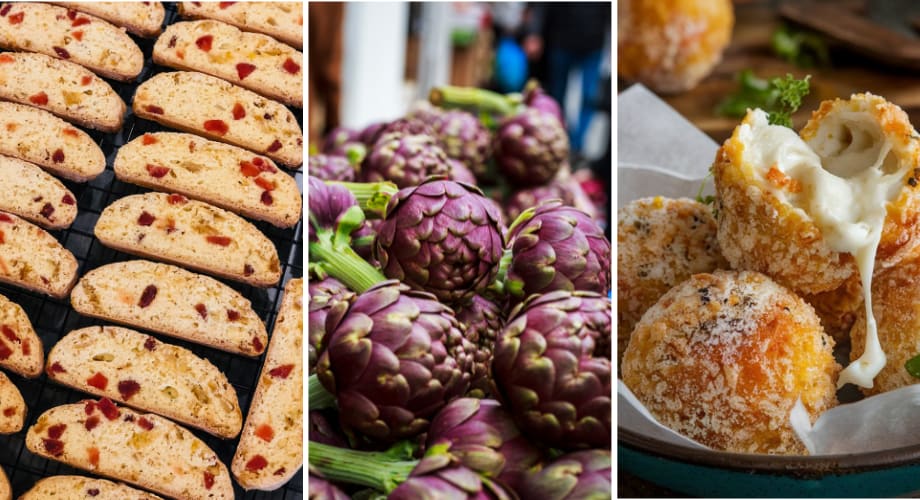
Testaccio, a former working-class district, embodies the heart of Roman culinary tradition. The Testaccio Market is a must-visit for seasonal ingredients sourced straight from the farmers, alongside tempting snacks like crispy mozzarella-filled supplì (fried rice balls) and dry cantucci biscuits that have a long shelf life and are great gifts to take home.
Beyond the market, Testaccio’s numerous trattorias serve honest, unpretentious Roman cuisine, while its vibrant nightclubs and bars keep the energy alive long after sunset. From Testaccio Market, a brisk ten-minute walk will take you to Trattoria Pennestri, a modern eatery known for its expertly fried sweetbread (calves' or lambs' glands) and an impressive selection of organic wines. Alternatively, try Roman-Jewish classics at the historic Checchino dal 1887.
Prati’s elegant eats
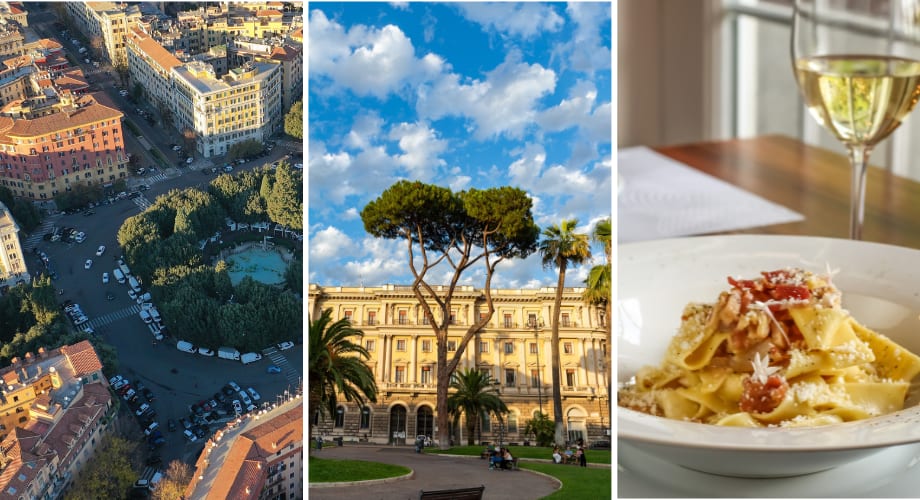
Located near the Vatican, the residential Prati district with its wide streets, elegant buildings and luxury boutiques feels like a world apart from Trastevere and Testaccio. Despite its refined atmosphere, dining here is refreshingly unpretentious, thanks to a range of modern restaurants.
At L’Arcangelo, an inviting modern trattoria run by a local street food czar, tagliatelle with pigeon and dried porcini will go straight to the top of your best pasta in Rome list. Alternatively, try their stewed codfish with plums and nuts for something lighter. At another local favourite, Flavio Al Velavevodetto Ai Quiriti, classic pastas vie for attention with coda alla vaccinara (oxtail stew) and other hearty mains.
Prati's proximity to the Vatican makes it an excellent base for exploring the city, without the overwhelming crowds of the tourist hubs. For stays with actual views of the Vatican, consider the The NH Collection Roma Giustiniano; for high-end shopping on your doorstep, opt for the recently renovated The NH Collection Roma Centro nestled on a tree-lined avenue; or escape to the serene NH Roma Villa Carpegna just outside the busy centre for an urban retreat.
And don’t be surprised if, after refining your palate on all that pasta in Rome, you find yourself turning up your nose at what you once knew as 'Italian pasta' back home. Luckily, with a couple of cooking classes with a local chef you can master everything from stuffed and baked pastas to Roman classics and gnocchi. While you may not reach nonna-level expertise overnight (or ever, let’s be honest), you’ll certainly be equipped to wow your friends and family.
Combine your gastronomic adventure with a luxury stay in one of Minor Hotels in Rome.