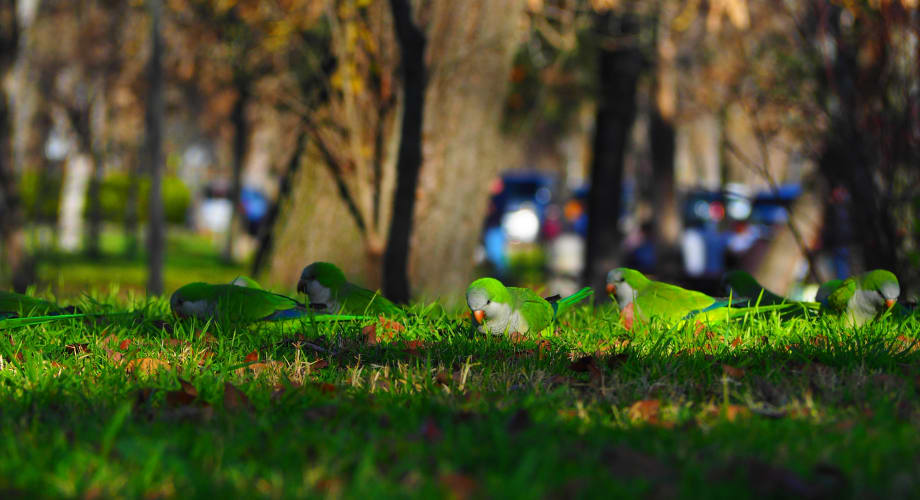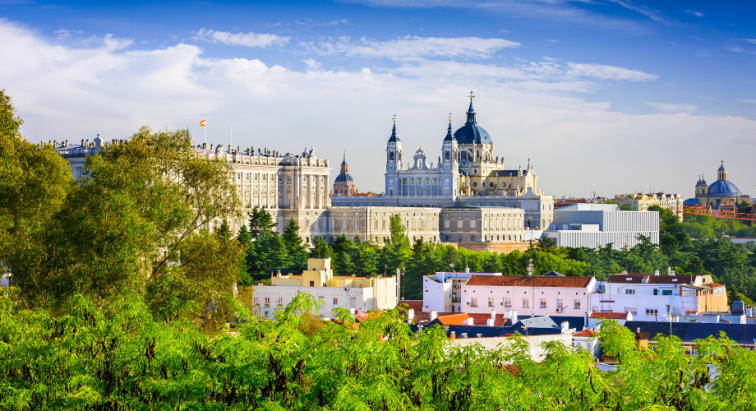
In Madrid, a green escape is never more than a 15-minute walk away. From the UNESCO-listed El Retiro Park to the sprawling Casa de Campo, Spain’s capital boasts enough leafy retreats to justify the “the city of parks” moniker. The best parks in Madrid have something for everyone: some invite you to slow down and enjoy a peaceful moment, while others throw you headfirst into adventure – sometimes literally, if you find yourself on a roller coaster.
Many of Madrid’s greatest parks have royal origins, once reserved for kings and queens. Today they are open to everyone, offering a breath of fresh air for Madrileños and visitors alike.
Whether you're hunting for a prime picnic spot, admiring centuries-old fountains or chasing the perfect jogging route, Madrid’s green spaces deliver nature, history and leisure in a beautiful package.
Jump to:
Meet our expert
Taking you on a whirlwind tour of Madrid’s green spaces is Ruth Franco, a member of Minor Hotels' regional ecommerce team based in Madrid. Ruth, who knows the city inside out, generously shares her favourite green spaces, including lesser-known gems that offer tranquillity away from the crowds.
Madrid Famous Park: Retiro Park
El Retiro is, hands down, the city’s most famous park, its 15,000 trees working hard to provide shade for picnickers and day-trippers. The beloved pocket of greenery is known for its varied attractions and central location, close to the Royal Botanical Garden of Madrid and a range of high-end hotels, including NH Madrid Atocha, NH Madrid Nacional and NH Collection Madrid Paseo del Prado.
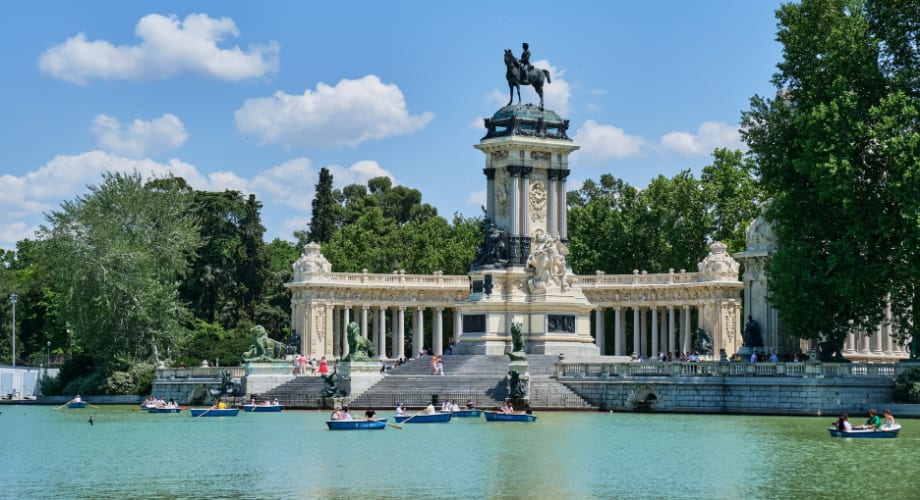
The best time to visit the Retiro Park is in the morning for a peaceful walk or in the late afternoon when the park comes alive with street performers and families. The 350-acre UNESCO World Heritage Site offers different discoveries, depending on the time of the year, but the Estanque Grande lake is a good place to start in any season. Rent a rowboat or take a leisurely boat ride to admire a dramatic Monument to Alfonso XII as you try to picture mock sea battles staged here in the 17th century to entertain the royals.
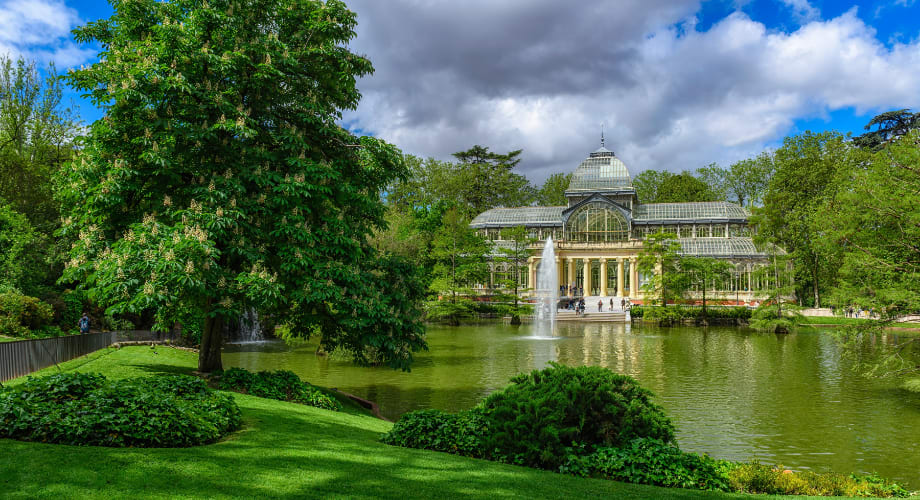
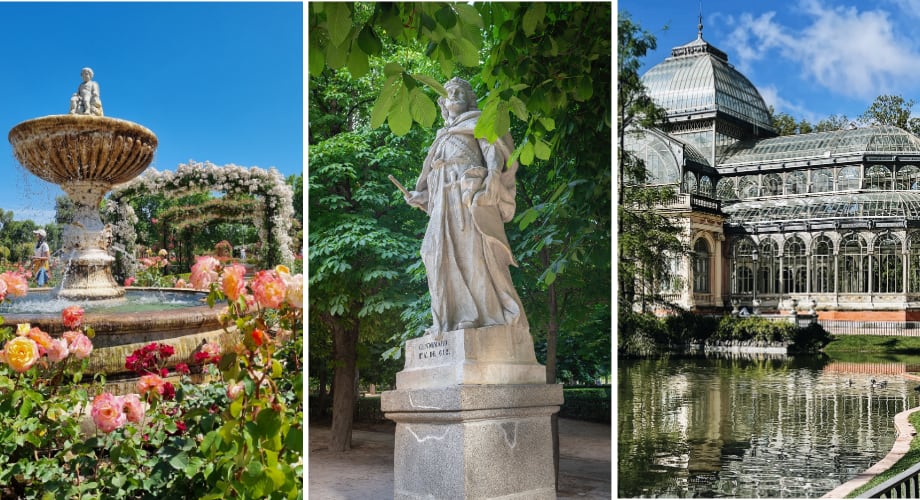
For a great photo backdrop and to check out rotating exhibitions, head to the fairytale-like Crystal Palace. Built in 1887 as a greenhouse for the General Exhibition of the Philippines, it's an important piece of Madrid's history that showcases the prevalent architectural styles of the time.
A fan of horticulture? Stop and smell the 4,000 roses at the Rose Garden. Alternatively, enjoy some of Madrid’s famous nightlife at Florida Park, a restaurant and cabaret venue located within the park.
From Egypt with Love: Temple of Debod
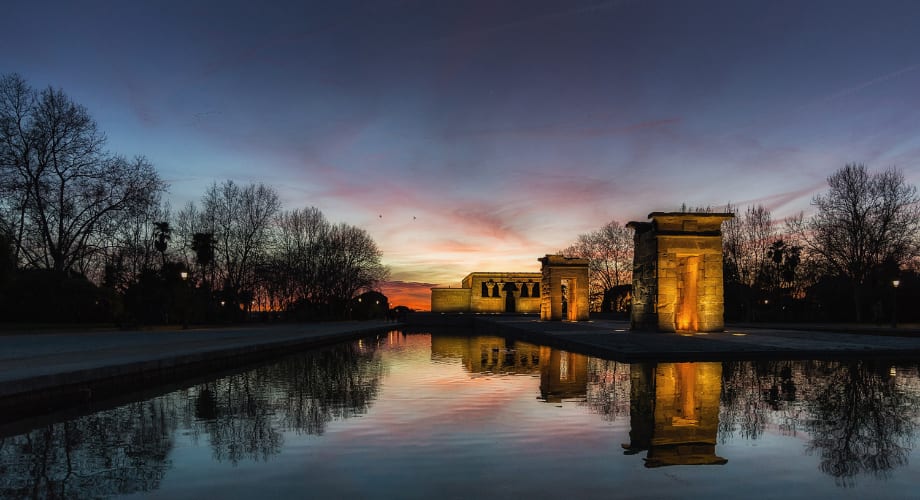
Alongside its celebrated classic parks, Madrid serves up delightful surprises like the Temple of Debod, an actual 2200-year-old Egyptian temple that was dismantled, transported and rebuilt in the Parque de la Montaña in central Madrid in 1970–1972.
The ancient Nubian temple was originally erected in the early 2nd century BC in Egypt and was donated to Spain by the Egyptian government as a sign of gratitude for their participation in the international effort to relocate 22 monuments to make way for the building of the Aswan Dam on the Nile.
When the temple was relocated to Madrid, the UNESCO-led team maintained its east-west orientation, respecting its alignment with the sun, as in ancient Egypt. This respect for historical accuracy had the added benefit of turning the temple into a great spot for photos. At sunset, the golden hues of the setting sun illuminate the temple’s hieroglyph-covered walls and set the reflecting pool on fire.
Whimsical Weekends: El Capricho
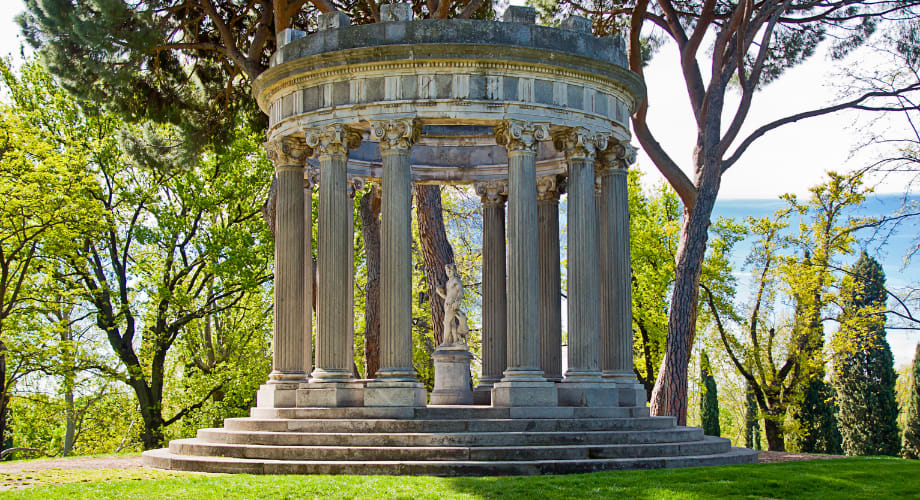
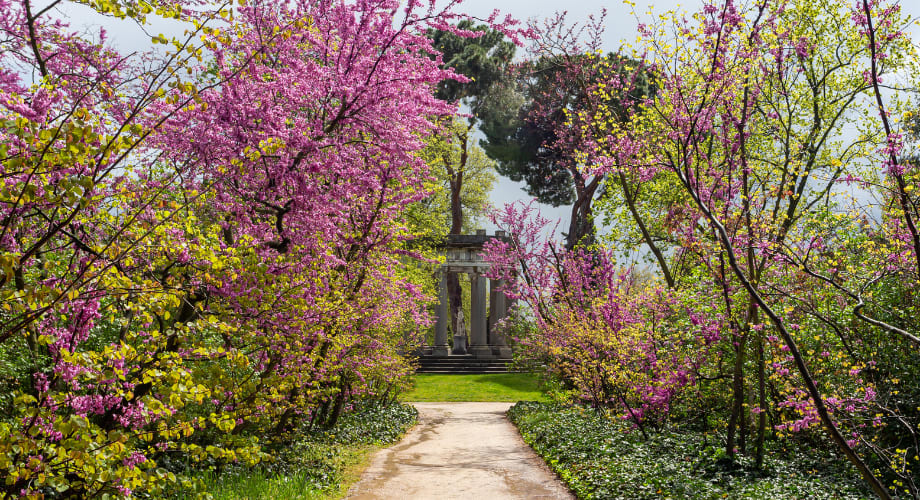
One of Madrid’s best-kept secrets, El Capricho is a romantic 18th-century garden (or rather a mosaic of French, English and Italian-style gardens) filled with sculptures, labyrinths and hidden corners. Unlike El Retiro, it rarely, if ever gets crowded, even despite being open only on weekends, making it perfect for a quiet afternoon escape or a morning stroll.
Built in 1784 by the Duke and Duchess of Osuna, El Capricho Park was designed as both a tribute to nature and a dazzling stage for the duchess’s vibrant social life – hosting extravagant parties, elegant balls and lavish dinners. Frequented by artists, thinkers and bullfighters, it became a hub of culture and influence, offering a fascinating glimpse into the opulent world of Spanish nobility.
The park is dotted with whimsical "eye-catchers" dreamed up by renowned French architect Jean Baptiste Mulot to surprise and delight discerning visitors. Among them, perhaps the most bewildering to modern sensibilities is the hermit’s house – a relic of an eccentric trend that once captivated Europe.
In 18th-century England, ornamental hermits were the ultimate status symbol. Wealthy landowners paid men to live in isolation on their estates, dwelling in faux caves or rustic huts for up to seven years, embodying the mystique of a lone sage in nature. At El Capricho, Friar Arsenio was the first hermit, later succeeded by Friar Eusebio until the role was finally filled by an automaton.
Jogging and Culture: Madrid Río Park
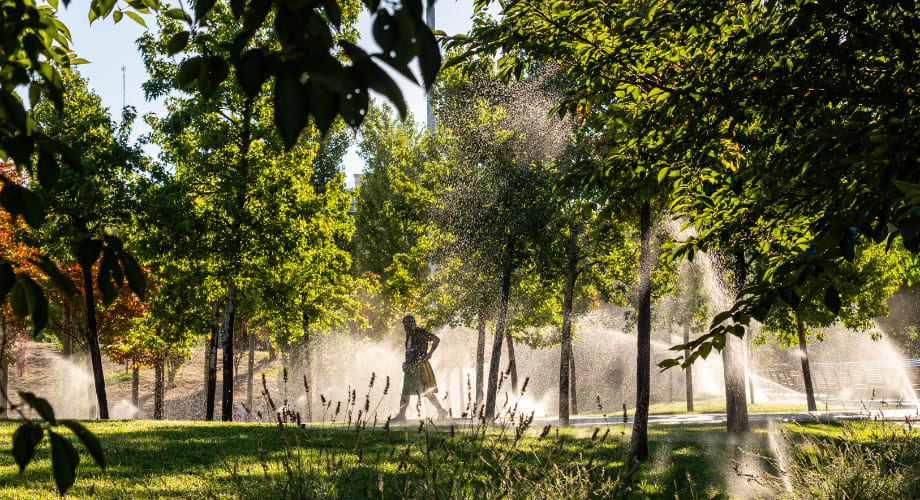
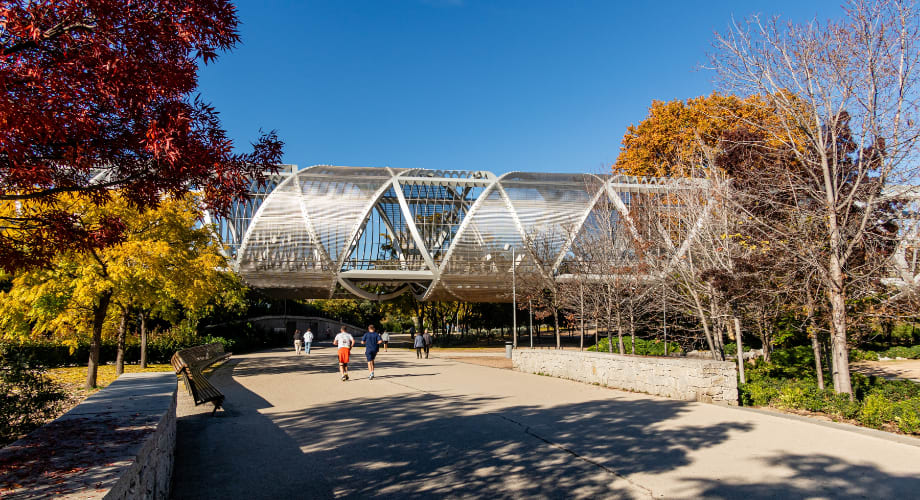
A recent gift to Madrid's southern neighborhoods, Madrid Río Park stretches along the Manzanares River, providing Madrileños with one of the city's finest modern urban spaces. It's truly another of Madrid's best parks, perfect for runners, roller skating, skateboarding and picnics.
A great example of an urban sustainability project done right, the riverbank that was once separated from the neighbourhood by a noisy highway was given back to the residents as a vibrant communal space.
If you’re staying at the nearby NH Madrid Ribera del Manzanares, the park is almost guaranteed to become your favourite open-air gym, with jogging trails and serene spots for yoga. (Ruth also recommends the neighbouring Las Vistillas Park as an alternative spot to unwind or exercise.)
Madrid Río has a cultural side to it too, being adjacent to an excellent Cineteca Madrid cinema and contemporary arts centre Matadero Madrid in a former slaughterhouse, its delightful onsite eatery serving homemade wholesome food with a gourmet touch in a restored boiler room. The nearby Plaza Río 2 is a go-to spot for locals in need of some retail therapy followed by easy bites.
Throughout the year, but especially during San Isidro festivities in May when locals don their traditional clothes known as chulapos, Madrid Río Park is even buzzier than usual with free concerts and cultural events that spotlight local food vendors.
Garden of the Royal Palace (Sabatini Gardens)
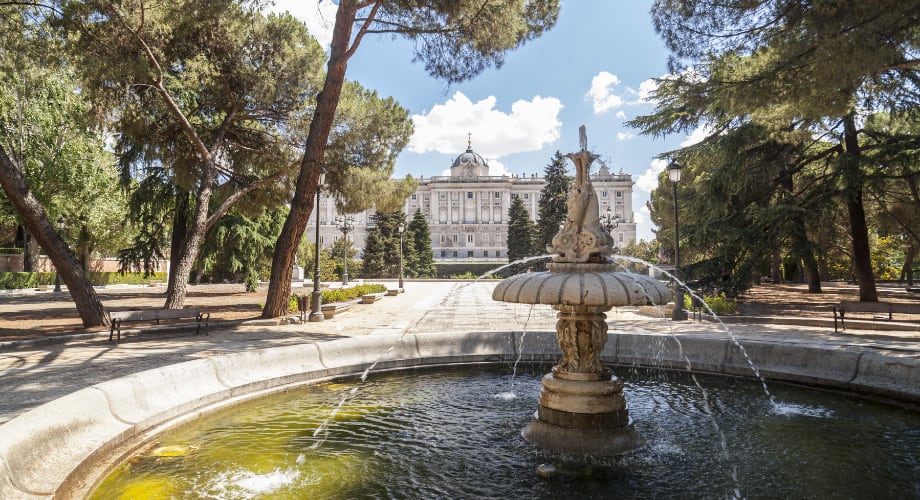
Located next to the Royal Palace – one of Madrid’s most popular tourist attractions – the elegant Sabatini Gardens offer a peaceful retreat with neatly trimmed hedges, fountains, sculptures and breathtaking views of the city and the palace from a privileged vantage point.
The gardens are particularly stunning at dusk, making them a popular spot to watch the sunset. Shutterbugs will have a field day shooting the garden’s reflecting pools that mirror the Royal Palace. Those immune to the magic of photography can simply stroll through the gardens, enjoy the fountains and statues or relax on a bench.
Dining in the Park: Campo del Moro Gardens
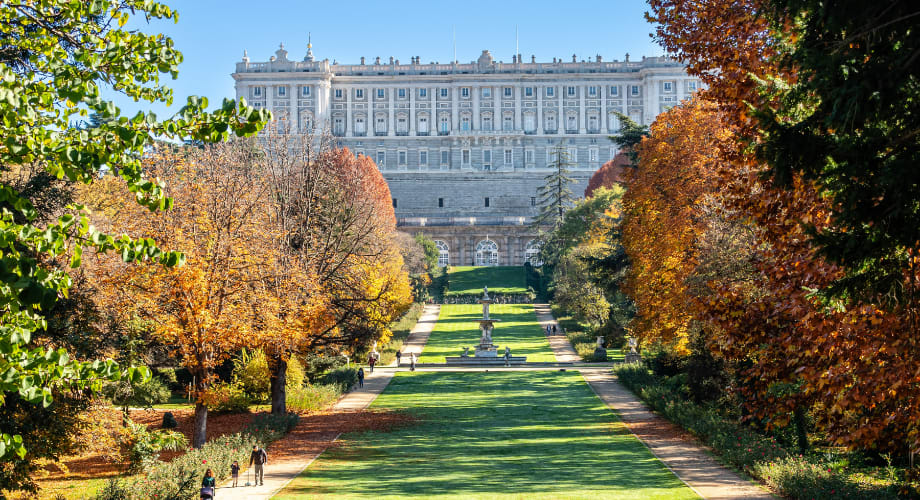
For a majestic view of the Royal Palace’s western façade, head to the manicured Campo del Moro Gardens – one of the best parks in Madrid.
A peaceful retreat near NH Madrid Ribera del Manzanares and the Príncipe Pío station, the 20-hectare park is home to 70 varieties of centuries-old trees with inviting shaded spots where to picnic, lose yourself in a novel or have a siesta.
After the grandeur of the Fountains of the Shells and the Tritons, the humble duck and peacock pond well hidden in the landscape emerges as a delightfully down-to-earth spot. Afterwards, Ruth recommends the recently opened La Terraza del Campo del Moro restaurant nestled within the gardens for an aperitivo or a light bite with a very expensive view.
An Artist’s Escape: Garden of the Sorolla Museum
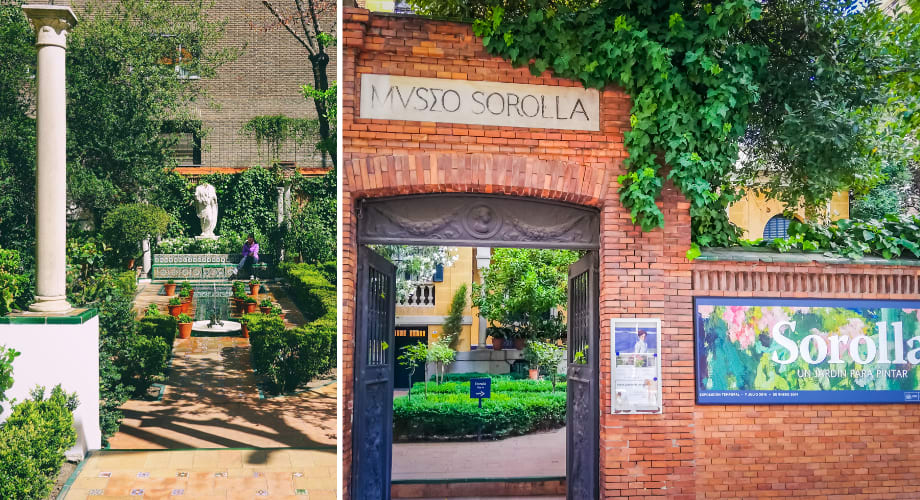
A hidden oasis, the Garden of the Sorolla Museum was designed by Joaquín Sorolla, one of Spain’s most famous painters, dubbed Spain’s Impressionist due to his vibrant, light-filled style and his use of bold, expressive brushstrokes and colours. The small yet enchanting garden surrounding the museum features fountains, ceramic tiles and lush greenery, with some visitors discerning light touches of the famous Alhambra palace built by the Moorish monarchs in Granada.
For a glimpse into Sorolla’s artistic vision, join a guided tour that covers the celebrated 20th-century artist’s work and family life.
Hiking in Madrid: El Pardo Park
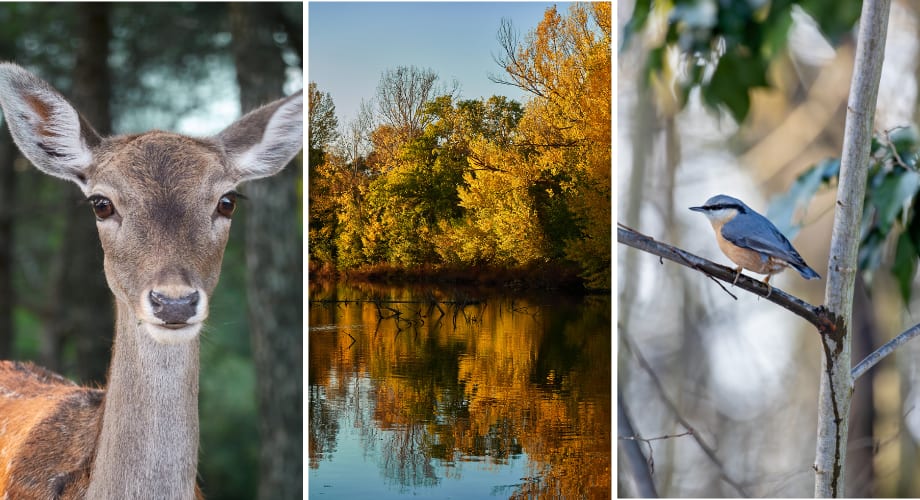
For a nature escape you can’t beat El Pardo Park, easily accessible from Madrid via public transportation. The park boasts holm oak forest, one of the best preserved in Europe, rolling terrain and views of the Manzanares River, as well as a good mix of gentle paths and more challenging routes, plus the Royal Palace of El Pardo known for its exquisite Goya tapestries.
It’s ideal for outdoor enthusiasts – both casual walkers and experienced hikers – looking to explore Madrid’s natural beauty. Choose from circular routes, linear paths and trails along the Manzanares River – some popular for running and mountain biking, others ideal for exploring the surrounding areas. Birders will be pleased to know that the park, specifically the Monte de El Pardo area, is designated as a Special Protection Area for bird-life.
Rowdy Fun: Casa de Campo Park
The largest and the most famous Madrid park, Casa de Campo is a magnet for families who come here to enjoy a 20-hectare amusement park, a zoo and a cable car with panoramic city views. Covering over 1,700 hectares, it’s also perfect for cycling, hiking and boating. Visit in the morning to have the peaceful trails largely to yourself or in the afternoon for family-friendly attractions.
Given the park’s size, to fully explore Casa de Campo, you’ll need at least a day or even two. If you want to simply walk around the park or take a short tour, 2-3 hours could be sufficient. Consider guided tours, such as bike or Segway tours, for a more focused exploration.
Even if you’ve never thought of yourself as a “park person”, Madrid has a way of changing that. With green spaces designed to truly serve the community, you might find yourself happily feeding ducks at Campo del Moro or – against all odds – eyeing the hermit house at El Capricho with a touch of envy by the time your trip is over.
If you're planning to visit the Spanish capital for more days, check out the Top Things to See in Madrid to find the city's main attractions beyond parks and greenery.