Dark Tourist, Netflix’s latest foray into the macabre, casts a curious light on the more unsettling corners of global travel. Visiting sites of nuclear disasters or chatting with Pablo Escobar’s former hitman may not be everyone’s idea of a holiday, but the series brushes up against a broader impulse: the desire to understand the world by standing where history happened.
In this guide to famous historic sites we focus not on places that are merely quaintly old, but on landmarks that shaped cultures and still reward the inquisitive traveller today.
Jump to:
Europe:
Asia:
The Americas:
FAQs
Europe
Whenever a site joins the UNESCO World Heritage List, its home nation tends to celebrate. A little extra visibility and a dash of cultural clout can go a long way. Europe, of course, hardly needs the boost. The Old Continent’s dense constellation of historic cities, architectural treasures and protected landscapes means that the UNESCO region of Europe and North America holds the highest number of World Heritage listings.
Italy sits at the top of the European table, and in a rather appetising twist, UNESCO has also flagged Italian cuisine for addition to the intangible list. While the experts deliberate, you can conduct your own research with our guide to pasta in Rome.
The lost city of Pompeii
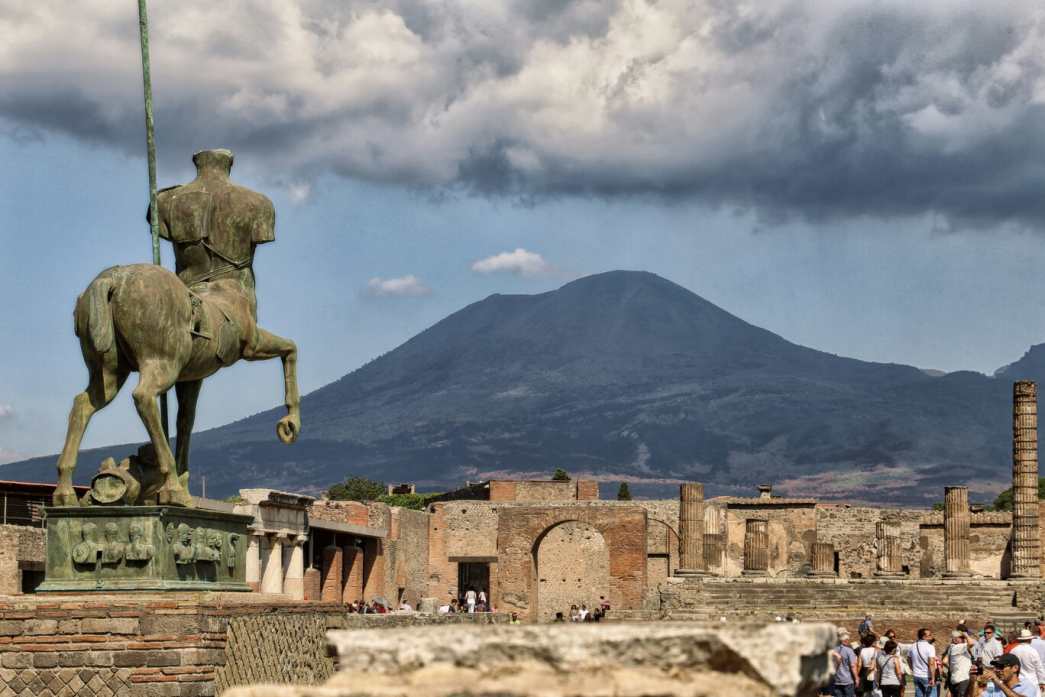
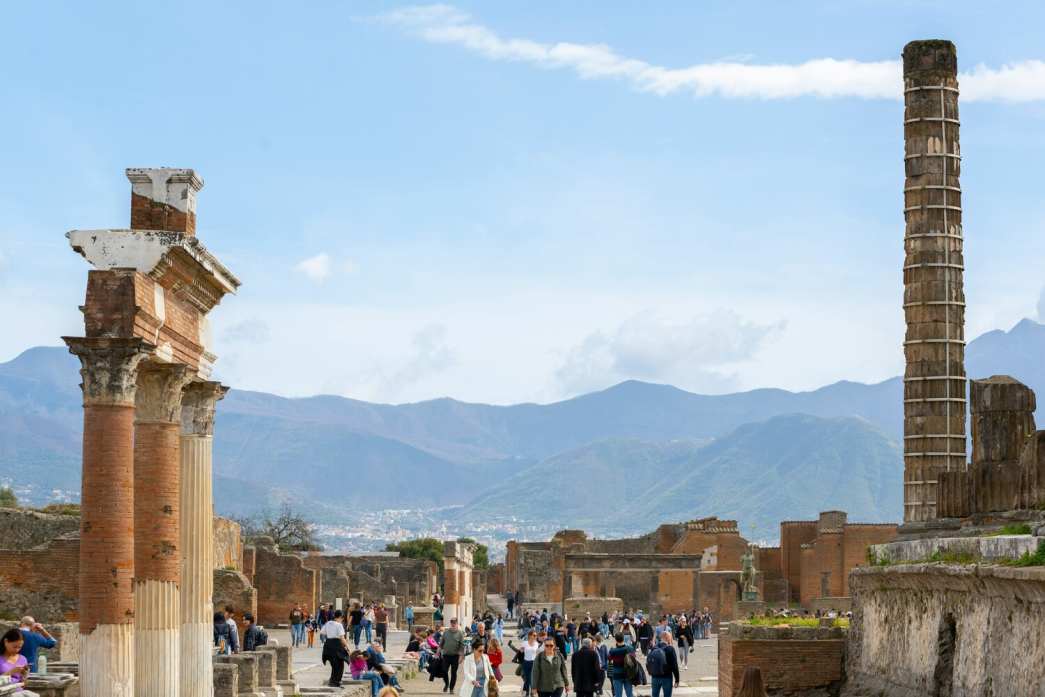
Pompeii may be known as the lost city swallowed by Vesuvius in 79 AD, but it has long since found its way onto just about every traveller’s list. With the largest excavation in 70 years now under way, history buffs can expect fresh insights into Roman daily life once the remaining third of the site is unearthed and spruced up, as seen in the newly restored House of the Vettii. One of Pompeii’s most opulent homes, it tells the timeless rags‑to‑riches story of its freedmen owners, who rose to become successful wine merchants.
While Roman nobility dined in grand villas with frescoes and underfloor heating, the middle classes and common folk relied on snack bars known as thermopolia. With scores of these marble‑topped counters uncovered, the scale of Rome’s grab‑and‑go culture suggests that the daily dash for a quick lunch was a city‑wide obsession long before the invention of the delivery app. Wander around long enough and you may find yourself wondering whether modern‑day thermopolia are within reach. You can certainly quell your hunger pangs at the archaeological park’s canteen. A glance at the canteen’s pizza‑and‑gelato line‑up may leave you wondering whether the ancients ate with more flair.
Base yourself at NH Napoli Panorama, where some rooms face Mount Vesuvius and the city’s best shopping, dining and museum-hopping are within easy reach. With your interest in all things Pompeii suitably piqued, don’t miss the forthcoming branch of the Museo Archeologico Nazionale di Napoli (MANN) inside the Real Albergo dei Poveri. Slated to open before the end of 2026, it will finally give MANN the space to showcase key pieces from the 40,000 artefacts excavated from Pompeii in its collection.
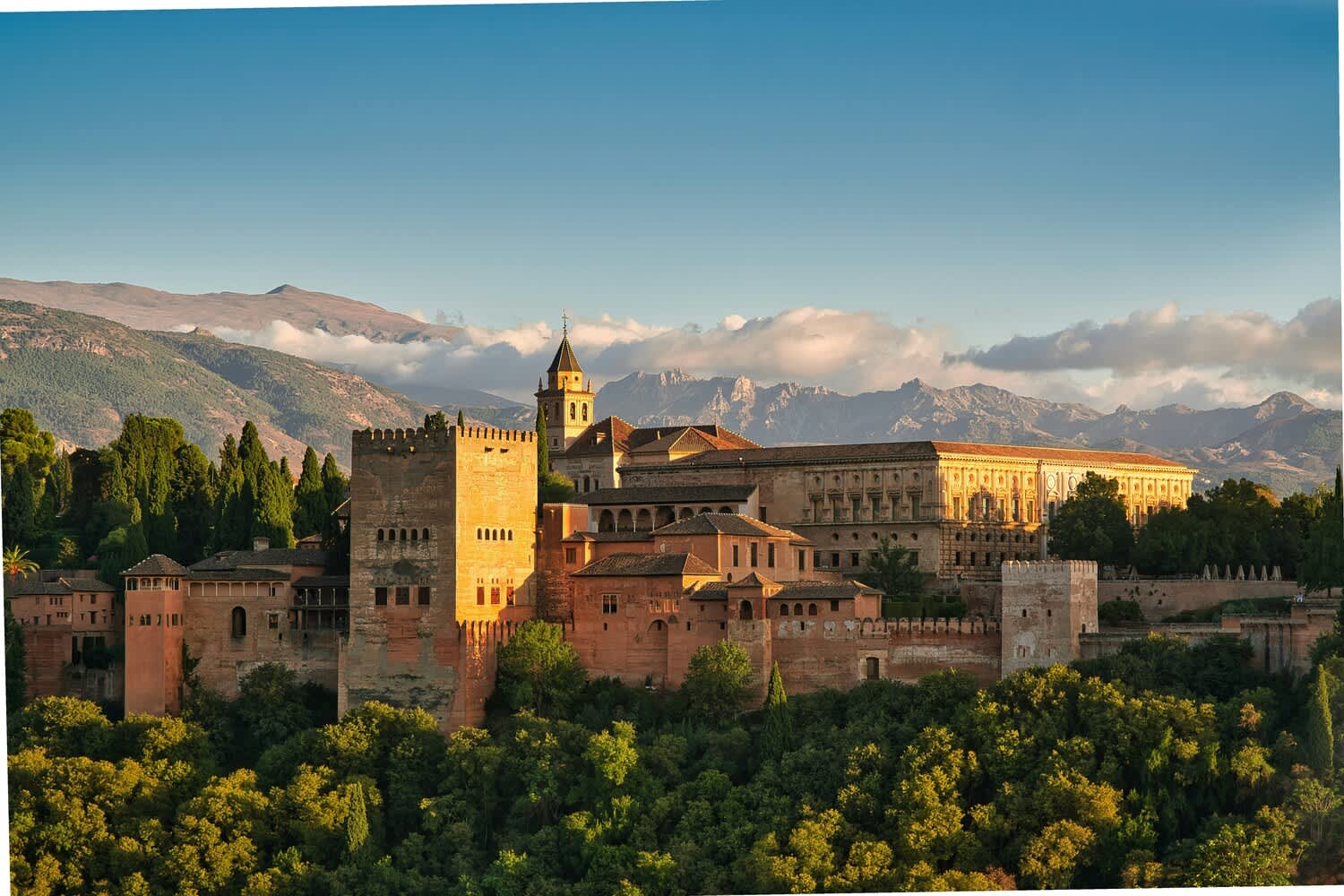
The Alhambra: where history still holds court
The Alhambra is one of those famous historic sites so firmly lodged in the global imagination that it’s hard to believe it once lay in ruins, forgotten and pushed to the margins of history. Today, its resplendent gardens and royal palaces crowning the hilltop remain a self‑contained world of rare beauty. But in a curious twist, the once‑impenetrable citadel now opens its doors to legions of visitors.
Guests can even stay within the Alhambra complex at the Parador de Granada, a historic hotel set in a 15th‑century convent built over a former Nasrid palace. Much of the original architecture endures: a serene cloister, Arabic chambers and even bath houses unearthed in 1949. If you’re not checking in, its restaurant offers Andalusian dishes on a terrace overlooking the Alhambra’s gardens.
Granada may be defined by its red-hued city on the hill, but its charm lies in the neighbourhoods, rituals and small pleasures that make it feel lived in rather than monumental. The Alcaicería souk revives the spirit of the old silk bazaar with stalls selling ceramics, spices and embroidered textiles. For something more atmospheric, head to Sacromonte, where cave houses carved into the hillside host intimate flamenco performances. Round it off with a gentle tapas crawl through Realejo or Calle Navas and you’re well on your way to understanding the city’s social pulse.
Just a 20‑minute stroll from the Alhambra’s gates, NH Collection Granada Victoria makes an ideal base for exploring both the citadel and the city that surrounds it. Step outside and you’re moments from the city’s best shopping streets. After a day of palaces and patios, return for tapas and a cocktail at the hotel bar, or simply watch the city drift by from your balcony.
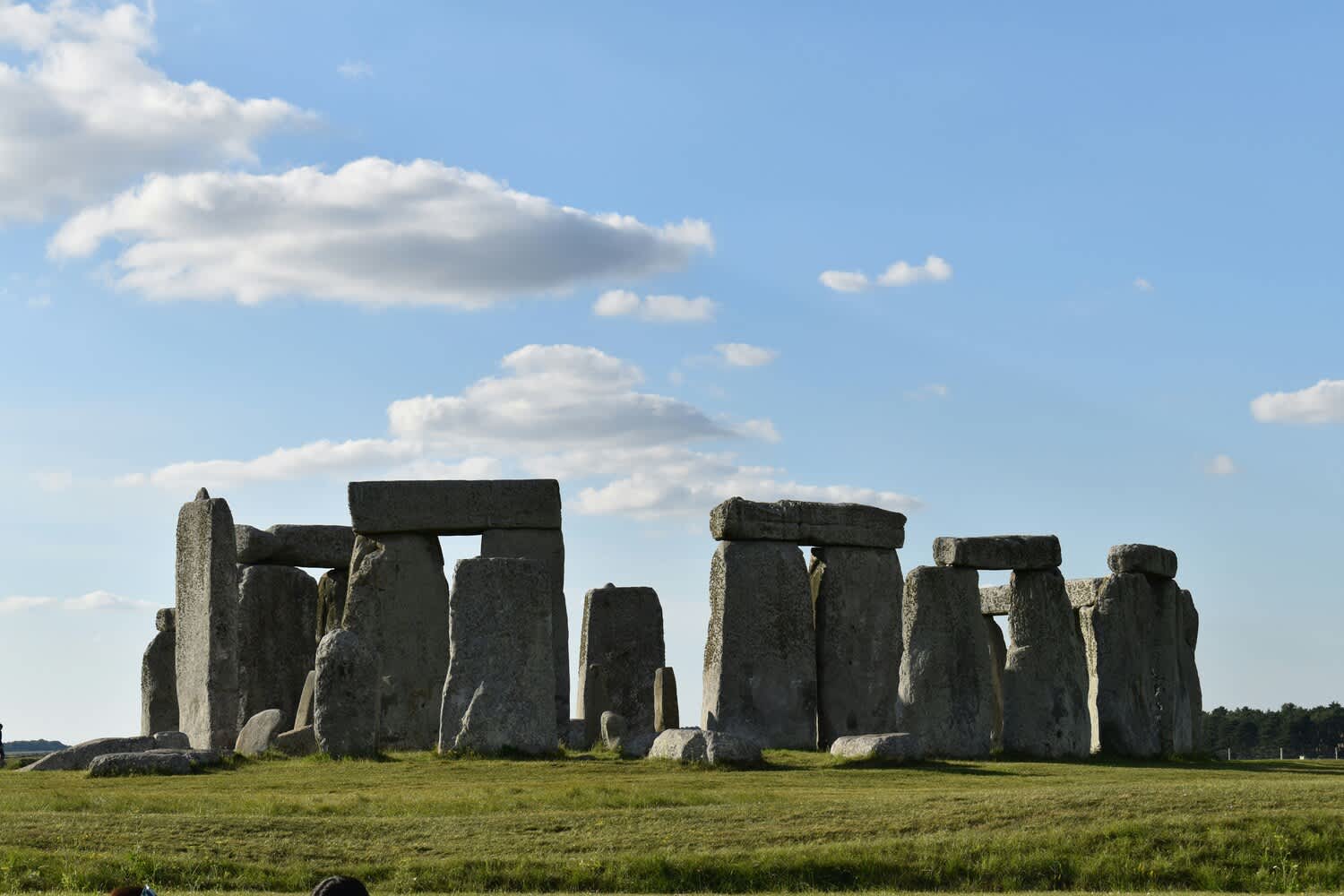
Stonehenge: answers not included
Most people know the silhouette from history books and documentaries. Yet nothing quite prepares you for the real thing: a ring of colossal sarsens rising from the grasslands, as enigmatic today as when Neolithic builders hauled them into place some 4,500 years ago. Archaeologists continue to refine theories, but part of Stonehenge’s appeal lies in how much it still refuses to explain. That won’t stop you from proposing your own, of course, or siding with one of the popular guesses: temple, calendar, burial ground.
The visitor centre offers a primer on the site’s construction and the people who shaped one of the most famous historical places in the world, but the real magic happens outside, where the wind sweeps across Salisbury Plain as you make the 2.5‑kilometre approach to the stones. Ideally on foot, though the shuttle bus is always an option. Late afternoon, about 60 to 90 minutes before closing, is the sweet spot, when day‑trippers have drifted off and the light begins to dip, giving the stones long, dramatic shadows.
Back in London, the perfect base for a modern‑day pilgrimage is nhow London, a playful, design‑driven hotel that nods to the city’s industrial past while embracing its creative present. Set between Clerkenwell and Shoreditch, areas known for their studios, start‑ups and buzzing creative energy, it’s a world away from the windswept plains, all bold colours and witty art installations.
Hungarian Parliament: grandeur in session
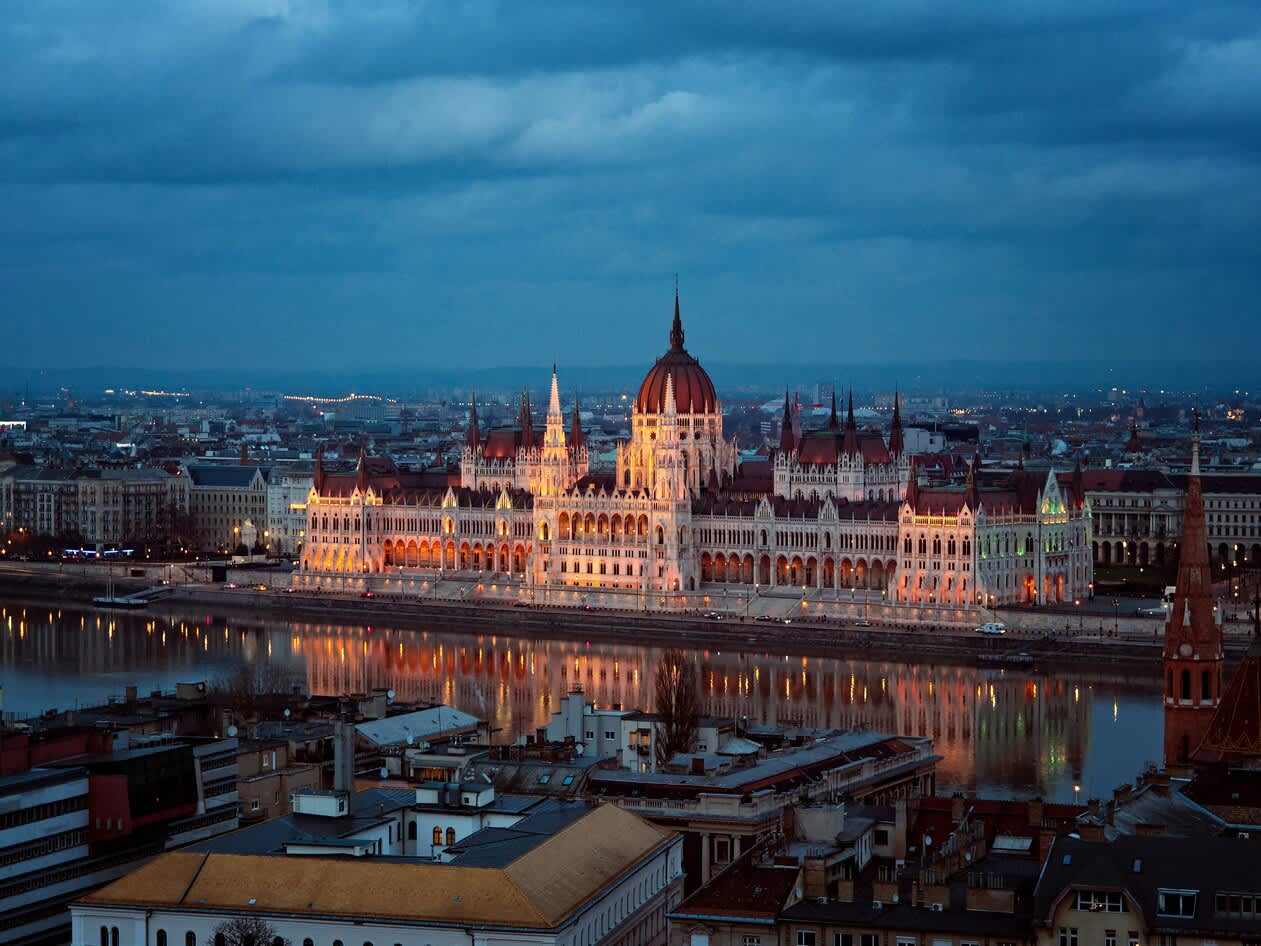
Across Europe, governments tend to occupy familiar, classical buildings that signal continuity and respect for tradition. The Hungarian Parliament Building took a different route. Its neo‑Gothic sweep of spires and arches, crowned by a magnificent amber dome, feels almost more fairy‑tale than seat of state.
Modelled on London’s Palace of Westminster, the Danube‑side masterpiece stretches along a kilometre‑long façade, beating its counterpart on the Thames by the all‑important two metres. Inside, parliamentarians share the building’s grand halls, gilded staircases and frescoed ceilings with the Holy Crown of Hungary. Guarded by the Hungarian Armed Forces, the crown is occasionally put on public display. Even on an ordinary day, though, there is plenty to take in and guided tours offer a glimpse into the chambers and ceremonial halls. Time your visit for the softest light and you can catch some of Budapest’s most photogenic moments, with the building’s reflection rippling across the river and trams gliding past.
For a variation on parliamentary pomp, treat yourself to the decadent “Emperor Experience” of Hungarian sausages, strudel and a hot drink at the New York Café on the ground floor of the heritage Anantara New York Palace Budapest Hotel. Once a haunt of writers and artists, “the most beautiful café in the world” still delivers its gilded‑ceiling drama with a side of espresso and pastries.
Famous historic sites: Charles Bridge
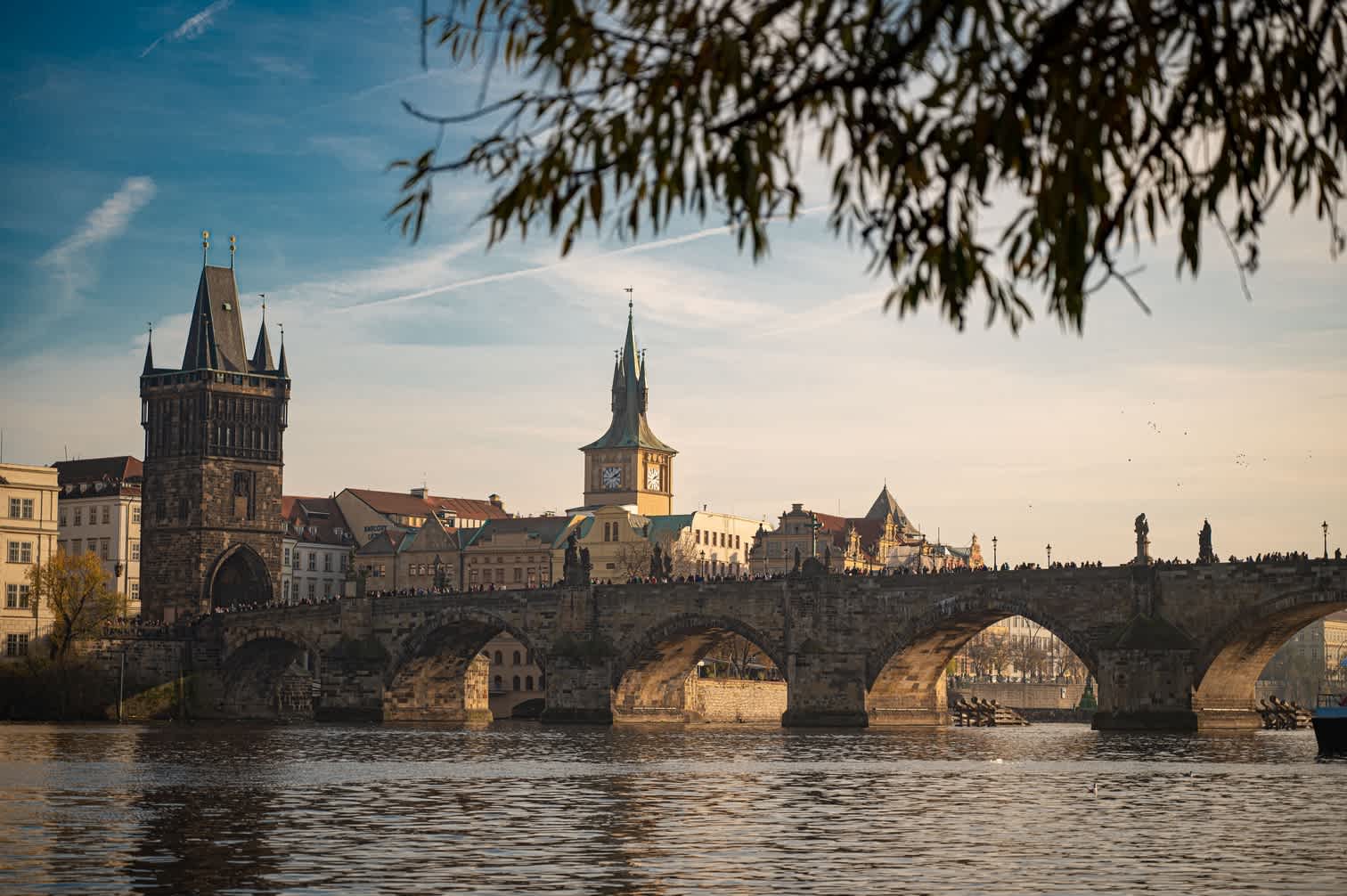
Taking us from Europe’s blockbuster heritage sites to the first stop on our Asian circuit is Prague’s Charles Bridge. The medieval landmark remains one of the continent’s most recognisable crossings, even if the only way across today is on foot. Free from cars, competitive cyclists and the odd rogue scooter, visitors can wander at their own pace among painters and buskers, drifting between Malá Strana and Old Town, home to another Prague essential: the Astronomical Clock on Old Town Hall.
Installed in 1410 and still keeping time with medieval precision, the clock draws a small crowd each hour for its procession of apostles and whirring figurines. Miss the moment by a minute or arrive during the hours when the mechanism rests (11pm to 9am) and the monumental Orloj greets you with silence. But fret not. Another kinetic marvel, Kafka’s rotating head, offers its own hypnotic performance nearby. Every hour, 42 stainless‑steel layers shift and reassemble into the city’s most famous literary son, a full rotation lasting around 15 minutes.
For those looking to stay in a listed hotel with a sense of occasion, NH Collection Prague Carlo IV set in a grand neo‑Renaissance building is a safe bet. It blends historic gravitas with contemporary comforts such as a spa and indoor pool, all while putting you within easy reach of Old Town’s lanes
Asia
If Europe’s renewed fascination with historical landmarks is fuelled by nostalgia for “simpler” times and the rise of BookTok, Asia’s heritage‑inspired holidays tend to be shaped by a search for deeper meaning and spirituality.
India’s icons: from Taj Mahal to Hawa Mahal
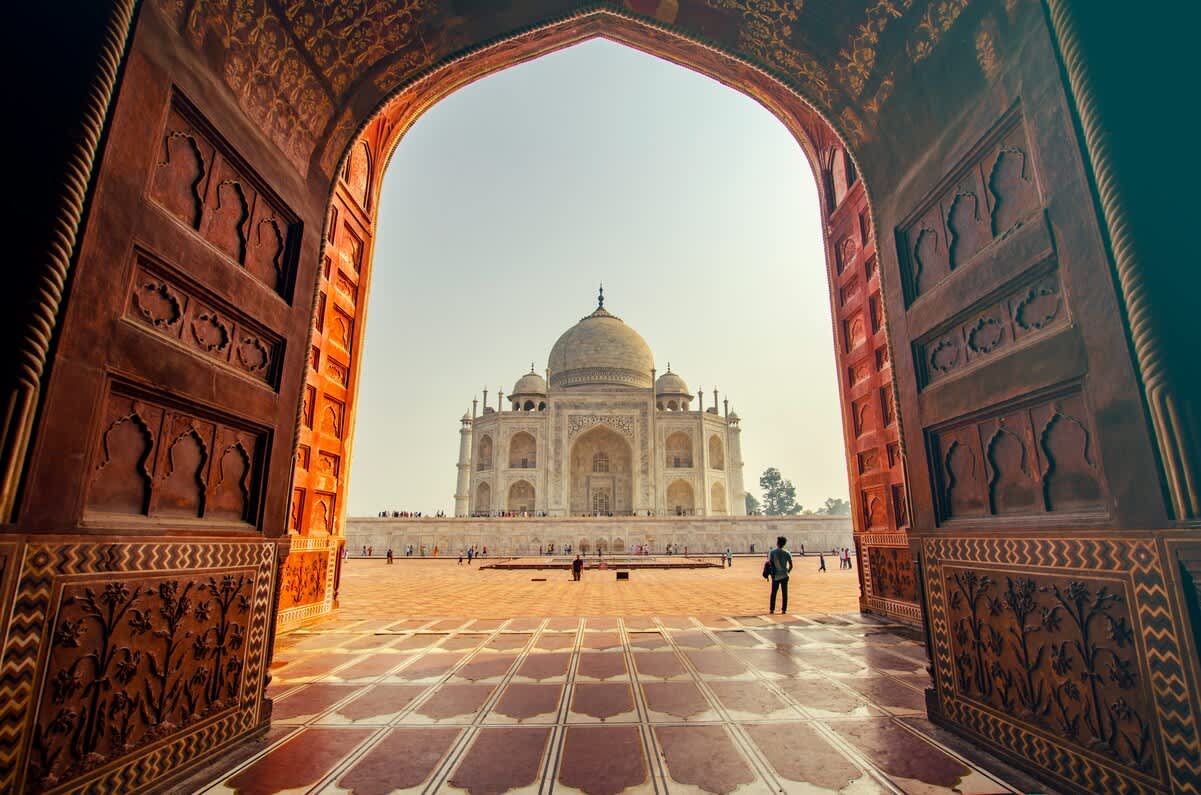
The Taj Mahal is often reduced to a shorthand for “the world’s greatest love story,” but that’s only part of the truth. The romance is real, of course (Shah Jahan famously built it in memory of his wife Mumtaz Mahal,) yet the monument is also layered with spiritual meaning, being a metaphor for the afterlife. Approaching it with a sense of reverence pays off. Resist the rush to move on to the next must‑see attraction and instead wander its symmetrical gardens, linger over the inlaid pietra dura and let the scene settle. The crowds won’t disappear, but they will fade into the background.
A few hours west in Jaipur, another architectural marvel makes a compelling case for embracing maximalism. As the poster child for the city’s rosy palette, the Hawa Mahal is arguably the best place to begin your acquaintance with the Pink City. The enduring nickname dates back to 1876, when the old town was painted a welcoming terracotta shade ahead of a visit from the Prince of Wales.
Called the Palace of Winds for its clever façade of 953 latticed windows that channel cooling breezes, the honeycombed Hawa Mahal was intended as a viewing screen through which women of the royal household could observe street life unseen. That so much artistry went into embellishing a structure never meant to serve as a residence is mind‑boggling. Visit in the late afternoon, when the façade glows warm against the sky and the surrounding bazaars begin to stir for the evening.
A short drive from the old city,Anantara Jewel Bagh Jaipur Hotel is a chance to stay surrounded by Rajasthani grandeur, with serene courtyards, a restorative spa and spacious rooms that are a calm retreat just beyond the bustle of the Pink City.
Rise, run, reset: Angkor’s active side
If your religion is fitness, Siem Reap’s annual Angkor Wat International Half Marathon offers a rare chance to run past the famous temples before the crowds arrive. The route winds through forested paths and past crumbling gateways, turning a morning workout into a cultural immersion.
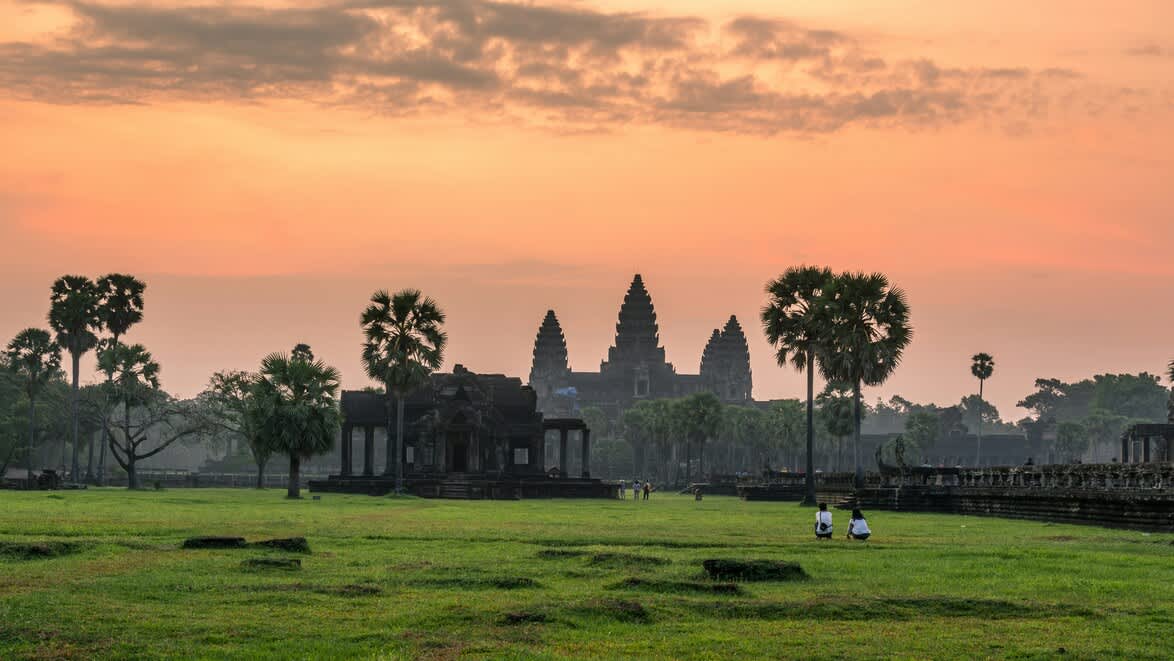
The crown jewel of Cambodia’s temple complex is, of course, one of the world’s most astonishing feats of sacred architecture. To fully grasp its magnitude, take to the skies with a hot‑air balloon experience from Anantara Angkor Resort, offered in partnership with the country’s first fully licensed operator. The elevated vantage point reveals a rare perspective of Angkor Wat and its surrounding wonders, best enjoyed when paired with a stay at Anantara’s all‑suite boutique sanctuary in Siem Reap, located just 15 minutes from the UNESCO World Heritage Site.
Available only from November to March, when winds are predictable and mornings crisp, the experience allows you to fully appreciate the scale and symmetry of Angkor’s ancient temples.
The balloon’s slow, silent drift offers 360‑degree views of the Angkor Archaeological Park, including lesser‑known sites such as Bayon and Ta Prohm, as well as rice paddies, villages and the distant shimmer of Tonlé Sap Lake. The serene, cinematic sweep of Cambodia’s cultural heart, revealed by this timeless mode of travel, makes it ideal for photography, quiet reflection and romantic moments.
If you want to stay closer to the city centre and Siam Reap river, there's also FCC Angkor by Avani, which was once the French governor's residence in the heart of Siem Reap's Old French Quarter.
A colossus in the landscape: Leshan’s Giant Buddha
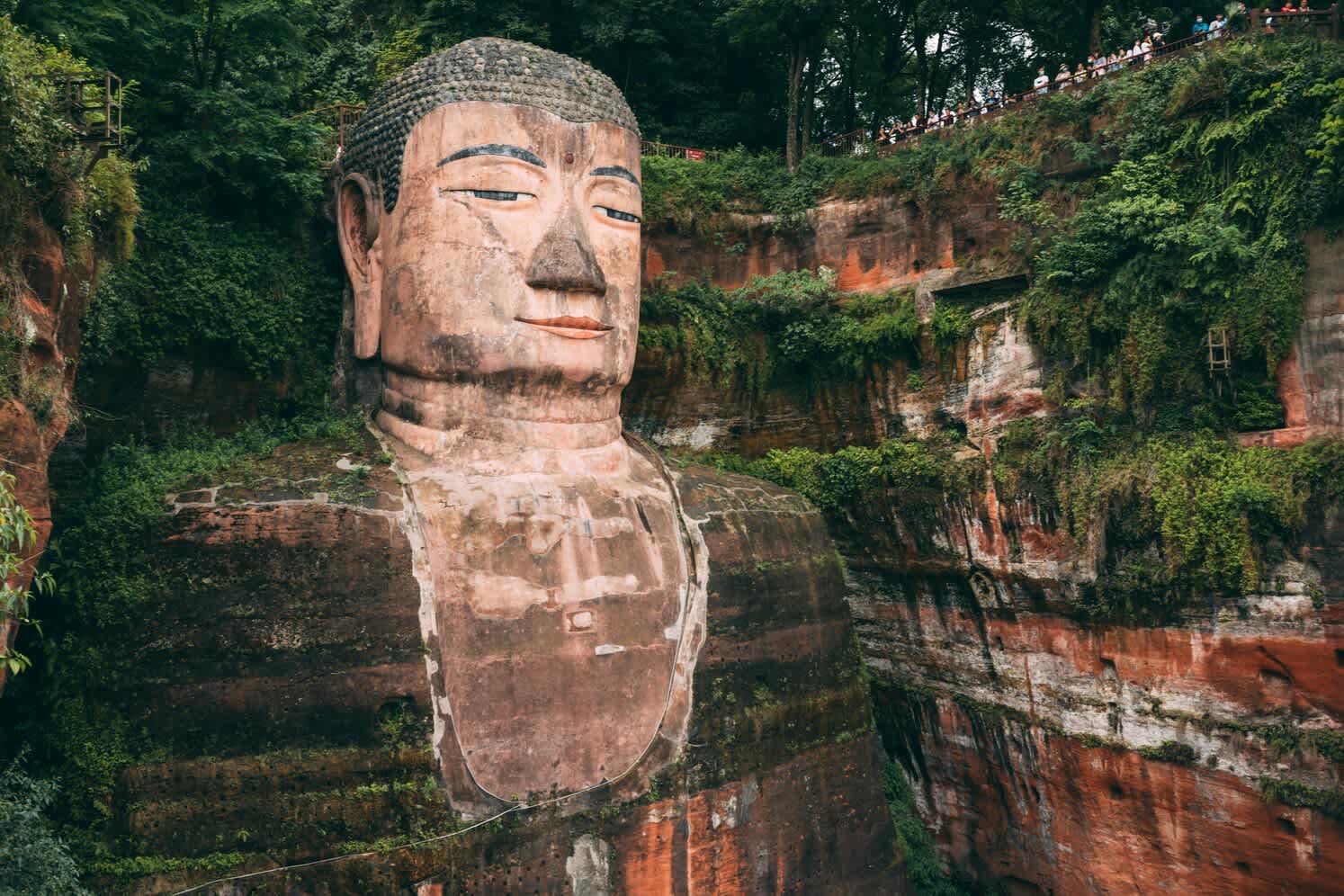
Sichuan, one of China’s most compelling provinces for travellers, has a case of gigantism: this is the land of giant pandas, giant peaks and Leshan’s Giant Buddha, the largest stone Buddha in the world. They don’t make them like this anymore: toes the size of dining tables, moss‑covered shoulders broad enough to hold a small house and a gaze as inscrutable today as it must have seemed twelve centuries ago. Approaching from the riverside is the more scenic option, while descending from the cliff top past the enormous limbs makes it clear why it took 90 years to carve the figure into a cliff face and why Leshan’s Giant Buddha is among the top historic landmarks around the world.
The surrounding park rewards lingering. Lingyun Temple is a quiet complex of incense‑filled halls that predates the statue itself. A short walk away, Wuyou Temple offers red‑painted pavilions and views over the river, with marked routes linking the two and dotted with small shrines and viewpoints. Even the Buddha’s ingenious drainage system impresses: a hidden network of channels carved into the head and robe protects it from erosion. And before you leave, sample some of Leshan’s popular snacks from one of the food stalls in the area.
Back in Chengdu, Tivoli Chengdu at Cultural Heritage Park set within a sprawling cultural precinct places guests at the heart of a modern showcase for Sichuan’s performing arts, festivals and creative industries.
The Americas
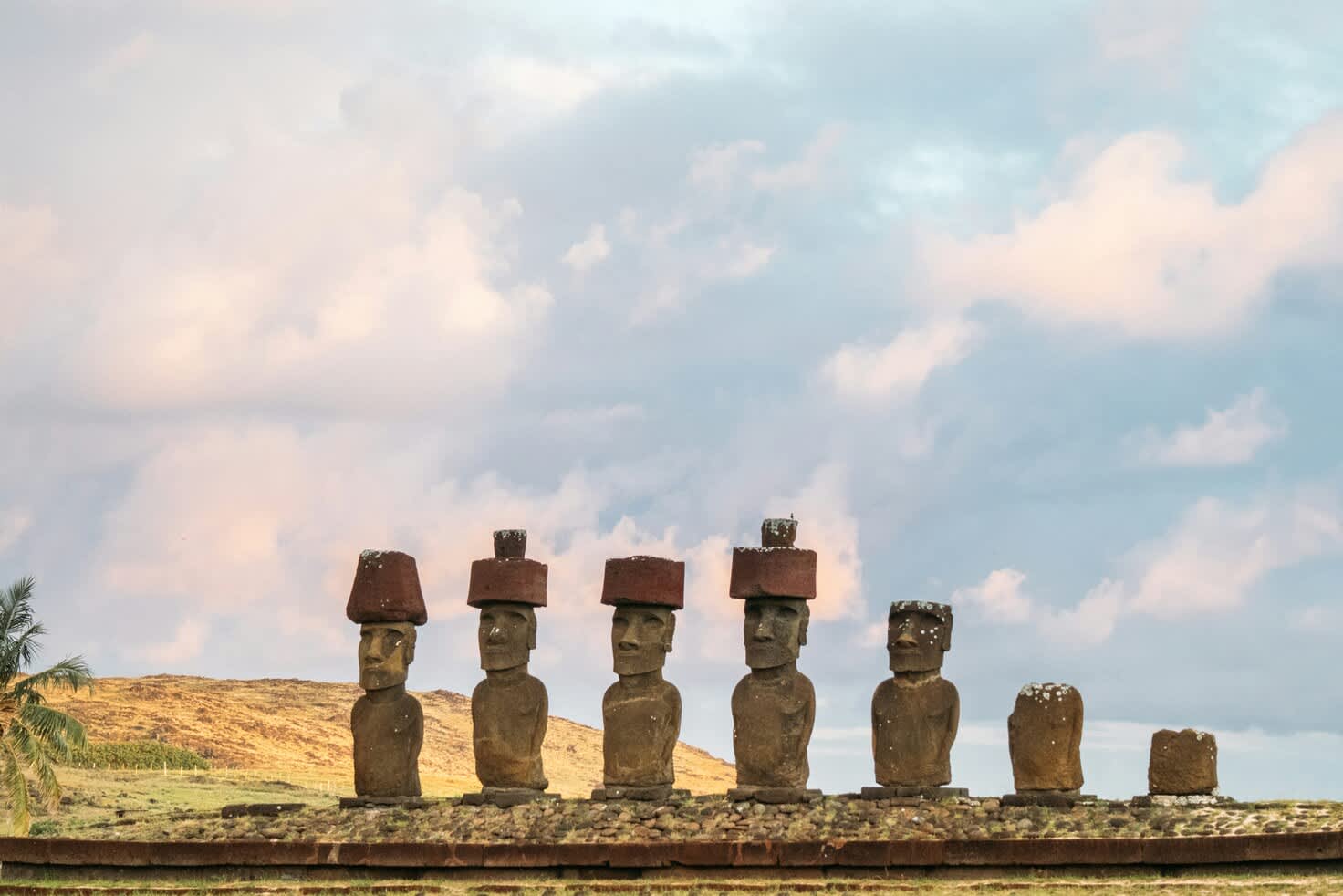
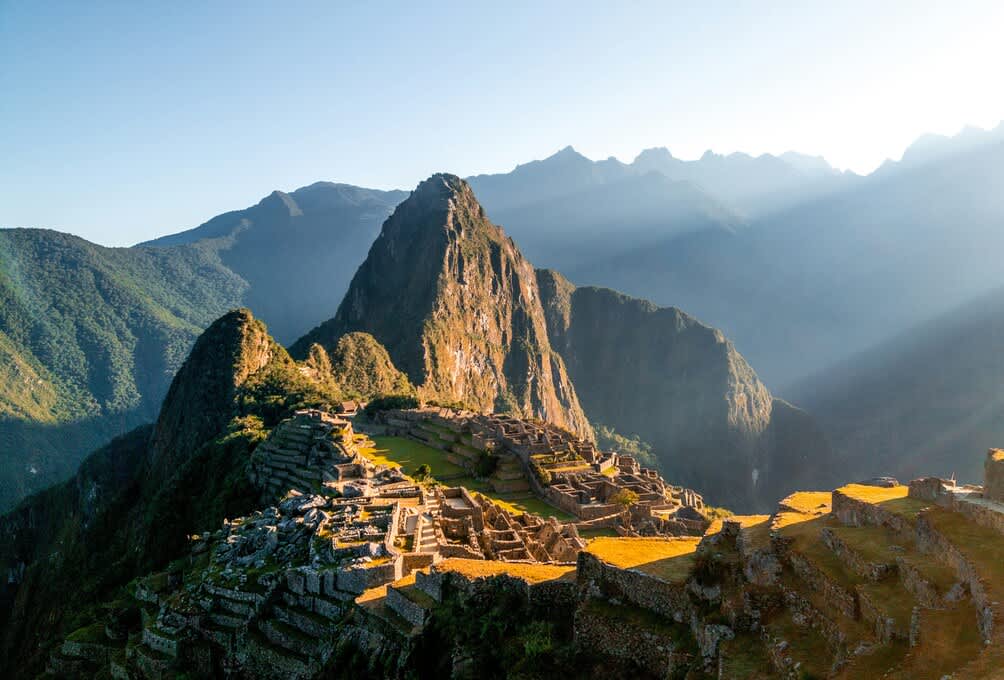
The Americas tends to be defined by its blockbusters like Machu Picchu or Easter Island (check out our Five Once-in-a-Lifetime Trips in Latin America). But look beyond the headline acts and the region’s heritage story becomes far richer.
Mexico City: Pyramid of the Sun
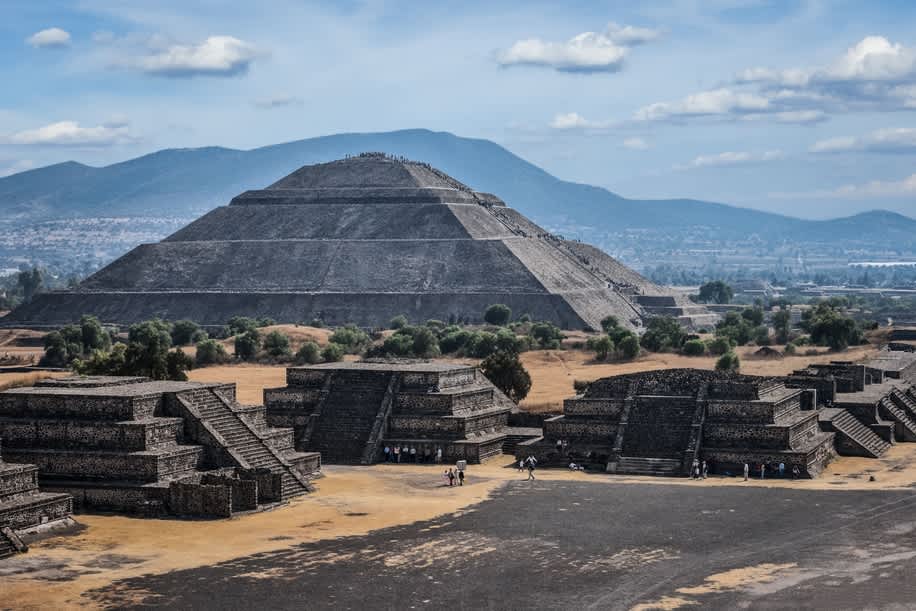
Unlike the sugar‑loaf beaches of Cancún, Mexico City isn’t a picture‑perfect kind of place. What it does, though, is reward the curious. One moment you’re walking through leafy, European‑feeling boulevards in Condesa; the next, you’re standing before the Pyramid of the Sun, a vast stepped monument that rivals the pyramids of Giza in ambition.
Where Egypt built royal tombs, the purpose of Teotihuacan’s pyramids remains elusive. But the people who built them clearly saw the landscape as a cosmic stage and were fierce warriors who controlled much of the central highlands during the city’s heyday. Teotihuacan prospered through trade in obsidian, cotton, salt, exotic feathers, shells and cacao, the latter consumed in ceremonial settings as a bitter, spiced and foamy drink.
For a taste of pre‑Columbian Mexico, you can try the original cacao-based drink at the several places that still prepare chocolate de metate, using beans ground by hand on a stone slab. Museums and workshops such as MUCHO Museo del Chocolate in Mexico City offer tastings that show how cacao was prepared long before sugar arrived.
Teotihuacan’s vastness means plenty of walking, so you’ll appreciate a comfortable bed to put your feet up afterwards at NH Collection Mexico City Reforma, surrounded by galleries, restaurants and leafy plazas. A short distance away, NH Mexico City Valle Dorado provides a quieter alternative, ideal for travellers who prefer a more residential feel without losing access to the city’s cultural core.
Havana: Che Guevara, revolutionary ice cream and Soviet steel
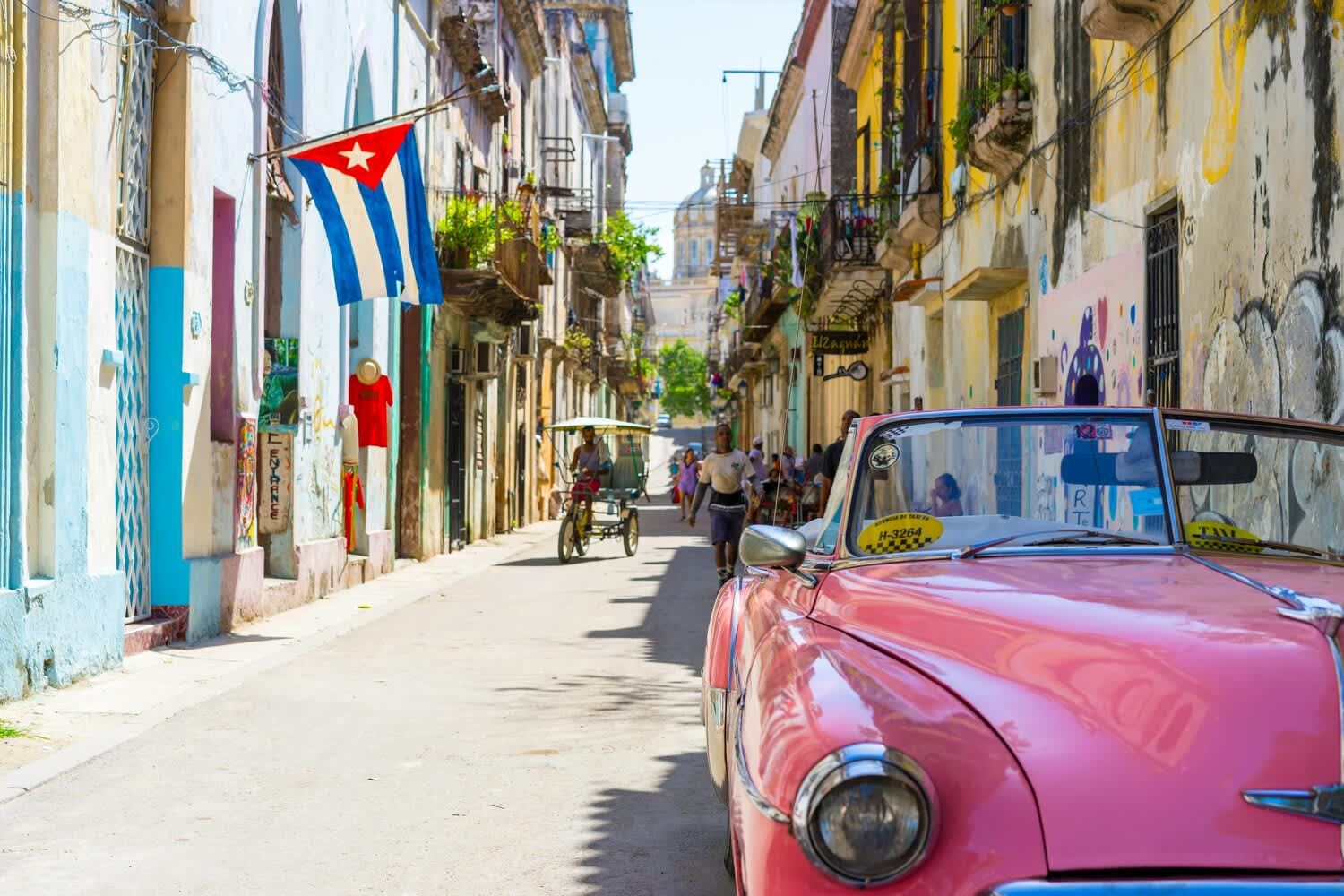
Old Havana, with its peeling pastel façades and grand colonial bones, is what most visitors imagine Cuba’s capital to be: children playing football in sun‑splashed plazas, musicians drifting between doorways and classic cars idling like props waiting for their cue.
Motorheads will have a field day: 1950s American beauties vie for attention with Soviet‑era models that arrived during Cuba’s decades of close ties with the USSR. Boxy Ladas and long-suffering Volgas may leave you cold, but they certainly add to the scenography. A stroll along the Malecón at sunset is when you’re most likely to spot a rare Buick, with half the city gathering on the seawall to talk, flirt and watch the light fade over the Straits of Florida.
Old Havana also offers a window into the country’s political story. The Museo de la Revolución, housed in the former presidential palace, lays out the narrative with a mix of preserved salons and revolutionary memorabilia, while the ever‑present image of Che Guevara remains one of the revolution’s most ubiquitous symbols. For something less didactic, head to the sprawling Coppelia ice‑cream complex, its UFO‑shaped building and surrounding park commissioned in the 1960s under Fidel Castro. Join the famously long queue for an ensalada, five scoops in a bowl, and take in a slice of everyday Havana.
In the end, the same instinct that draws viewers to the sites of epic battles and natural disasters also pulls us toward the world’s famous historic sites: the urge to understand the past, to learn from it and to place our own moment in a wider frame. Travel with care and these places will endure, ready for the next generation of curious wanderers.