Jump to:
For thoughtful travellers, one question that might come up again and again is, “Is my travel helping rather than harming native communities?” There is a way to learn more about some of the world’s oldest cultures while supporting their communities, and that’s indigenous tourism, travel experiences owned and operated by indigenous peoples themselves.
What sets indigenous tourism apart is the community’s control over these experiences. Local families receive direct economic benefits while preserving their cultural integrity and younger generations are empowered to maintain their cultural traditions and earn sustainable livelihoods without abandoning their heritage.
This guide explores six aboriginal cultural tourism destinations offering respectful encounters that support preservation.
1. USA - Native American Tribal Experiences on Sacred Lands
The United States is home to 574 federally recognised tribes and many of these tribes are reclaiming their narratives through tourism efforts. The American Indian Alaska Native Tourism Association (AIANTA), a nationally recognised nonprofit organisation, supports this indigenous movement while noting that Native-owned tour operations have increased by 230% between 2017 and 2020.
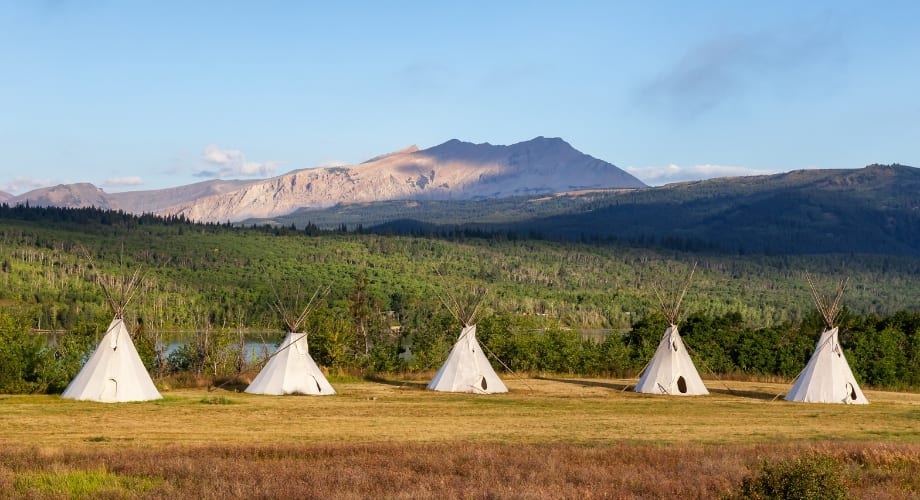
Sun Tours in Glacier National Park in Montana, is run by the Blackfeet tribe. Their half day and full day interpretive tours take you through Going-to-the-Sun Road and the other parts of their native country, offering cultural perspectives that are unique to their tribe. Nez Perce Tourism, owned and operated by members of the Nimiipuu Nation, in Idaho is another cultural heritage experience that weaves the storytelling and tradition of Nimiipuu Nation with the rugged countryside. Learn the traditional Nez Perce greeting from Nimiipuu guides and take a guided jet boat tour up the Snake River through Saqanpa Hells Canyon for deeper insight into Nimiipuu life.
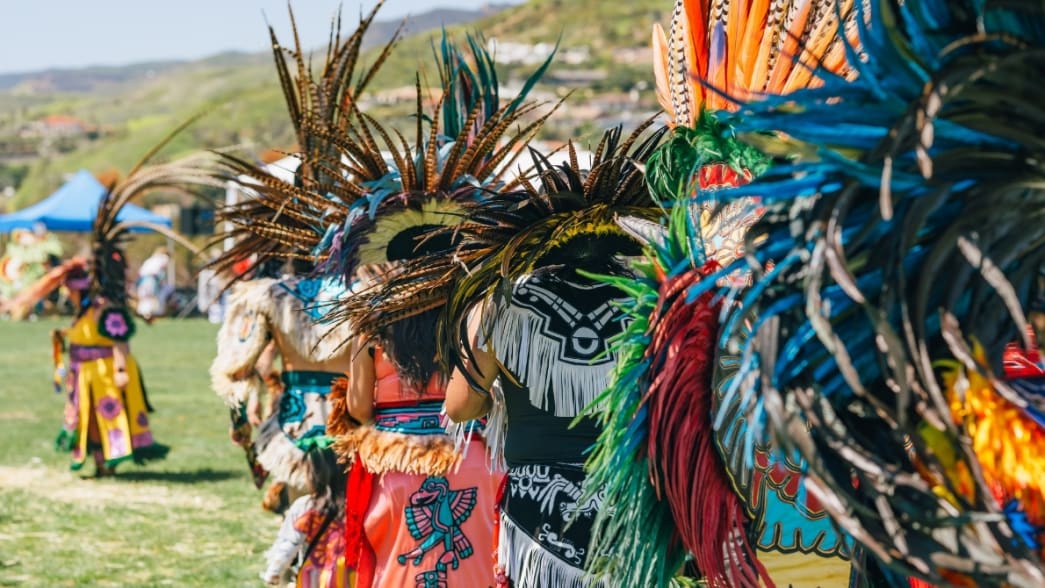
One of the biggest events of the year is the Gathering of Nations powwow in Albuquerque, New Mexico, organised by indigenous communities. Here 3,000 performers representing 500 tribes celebrate through dance, drumming, and song. It’s a chance to meet many tribes and nations in one place and these experiences range from learning traditional food preparation to participating in craft workshops teaching ancestral skills.
Native American tourism is vast and diverse, which gives visitors so many opportunities to keep coming back to learn more about these fascinating histories. It’s also a unique way to explore the US wilderness that isn’t easily accessible, from the cultures that have called it home for centuries. You can use AIANTA's Destination Native America platform to browse experiences from certified indigenous operators before booking them in advance, ensuring tourism revenue supports tribal communities directly while providing authentic cultural exchange.
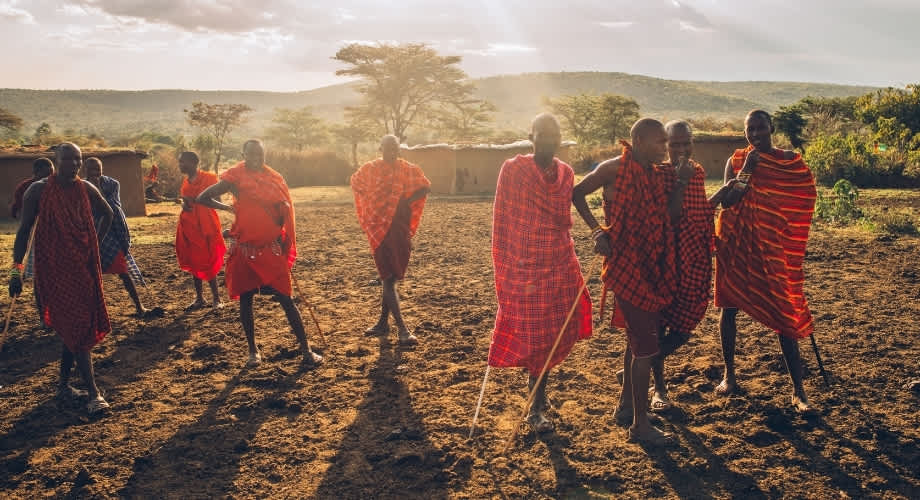
The Maasai people of Kenya and Tanzania welcome cultural tourism as a way to support their semi-nomadic lifestyle and protect their traditions. Maasai-owned cultural villages and community conservancies in Maasai Mara, such as Ngorongoro Conservation Area (Tanzania) welcome visitors to experience Maasai culture directly from community members.
Participate in the Adumu, which is the iconic Maasai warrior jumping dance, where young men jump as high as possible while remaining upright and graceful. Learn traditional beadwork techniques from Maasai women and understand the significance of the ochre body decoration and elaborate jewellery. You’ll also have the opportunity to learn about traditional cattle herding practices, the cornerstone of Maasai culture, and how the Maasai have coexisted with wildlife for centuries through rotational grazing methods. Homestays in Maasai bomas (traditional villages) are available and you’ll get to sleep in traditional mud-and-dung houses, share meals prepared over open fires, and hear stories passed down through generations. Visitors can also join Maasai guides on walking safaris, learning to track animals using traditional knowledge and see how healers use native plants to cure ailments and diseases.
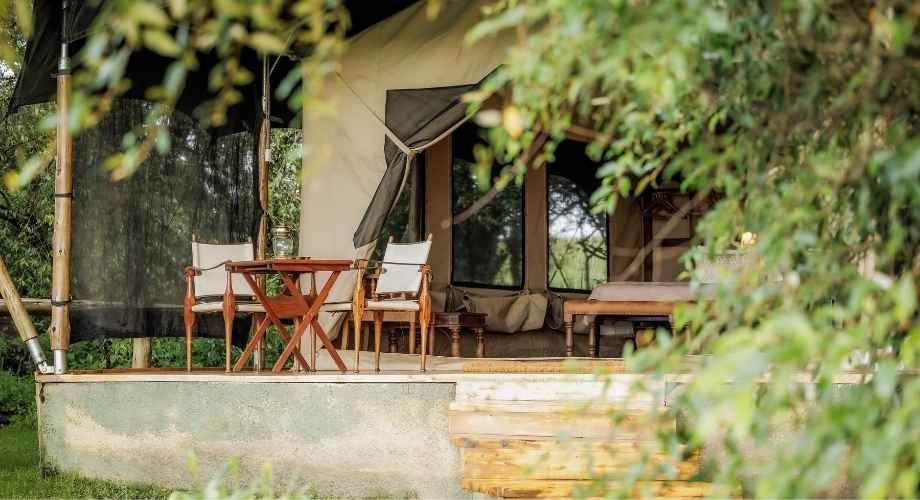
Located deep within Maasai country in Kenya, the Elewana Elephant Pepper Camp Masai Mara brings visitors to the fore with eight luxury safari tents. This site was selected to make visitors get as close as possible to safari areas while respecting the local Maasai community’s wishes.
The Elephant Pepper Camp is a big part of sustainable indigenous tourism efforts that benefit Maasai communities as the camp was instrumental in creating the Mara North Conservancy in 2009. The conservancy helps its more than 800 Maasai landowners generate stable tourism revenue while retaining their rights and preserving traditional pastoralism.
The camp offers exceptional game viewing and it’s an excellent spot to witness the Great Migration, which takes place from July to November, where over 1 million wildebeests and zebras traverse the landscape.
The camp can arrange village visits for guests, where they will meet Maasai community members, share their daily lives, demonstrate traditional skills, and explain how conservation partnerships have strengthened both wildlife protection and pastoral livelihoods. While the Ngorongoro Conservation Area is further away in neighbouring Tanzania, it’s worth exploring the safari in the Maasai country in Kenya from the Elewana Elephant Pepper Camp Masai Mara as a big part of your trip.
3. Zambia - Village Encounters and Ceremonial Celebrations
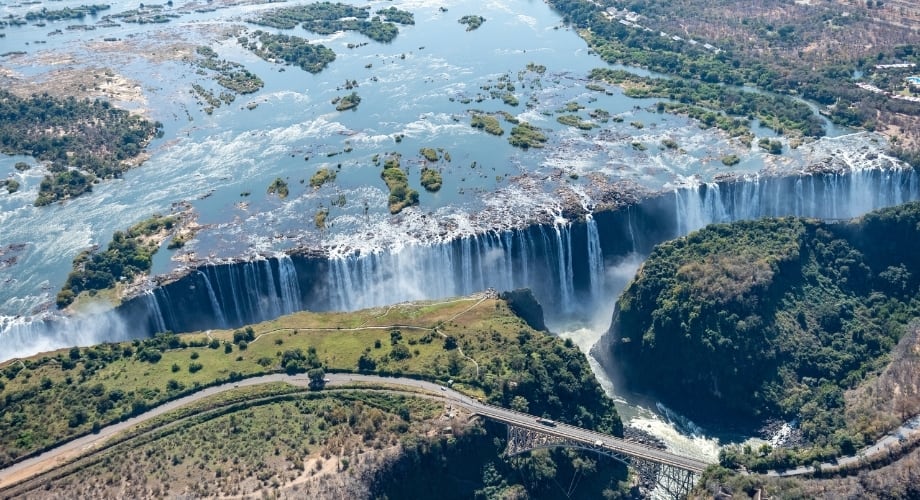
Mosi-oa-Tunya (‘The Smoke that Thunders’) AKA Victoria Falls is one of the Seven Natural Wonders of the World. It remains the biggest reason for visiting Livingstone, Zambia and it has been a popular tourist destination for over a century now. However, the local communities are now changing the narrative by giving visitors more authentic Zambian experiences.
Zambia's 72 ethnic groups have developed community-based tourism initiatives that give visitors a chance to experience traditional village life while directly supporting local villagers. What makes Zambia so special is that despite its immense cultural diversity, it is one of the few countries in Africa that has minimal tribal animosity as the communities and tribes tend to share similar values.
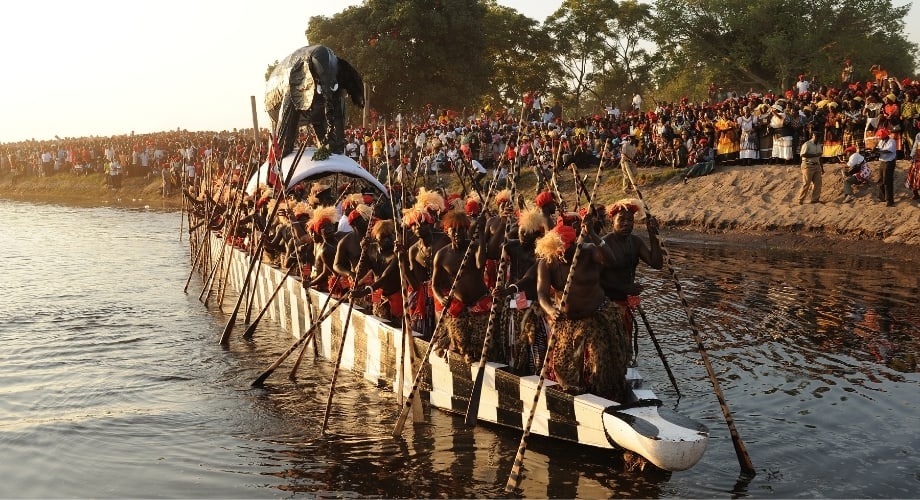
The Toya Leka people are the ones who originally named Victoria Falls and it has been a place of worship for them for centuries. You can meet the Toya Leka people at Mukuni Village, among other places, and join them in traditional ceremonies, ancestral crafts, and Friday evening gatherings featuring Makishi dancers and Ngoni warrior performances.
The Royal Livingstone Victoria Falls Zambia Hotel by Anantara is a stunning luxury hotel overlooking the Zambezi river, just a few minutes from the world-renowned Victoria Falls in Mosi-oa-Tunya National Park. The hotel has deep ties to the locals in the area as well as a wide range of dining options, excursions, and amenities.
Guests can arrange village visits to Mukuni Village through the hotel, experiencing what life is like for the locals here. The Zambezi Dining Experience is an educational journey, where guests learn about Zambian farming techniques in the hotel's herb garden before enjoying traditional dishes like beef with nshima prepared using customary methods.
4. Australia - Aboriginal Tourism Through Art and Country
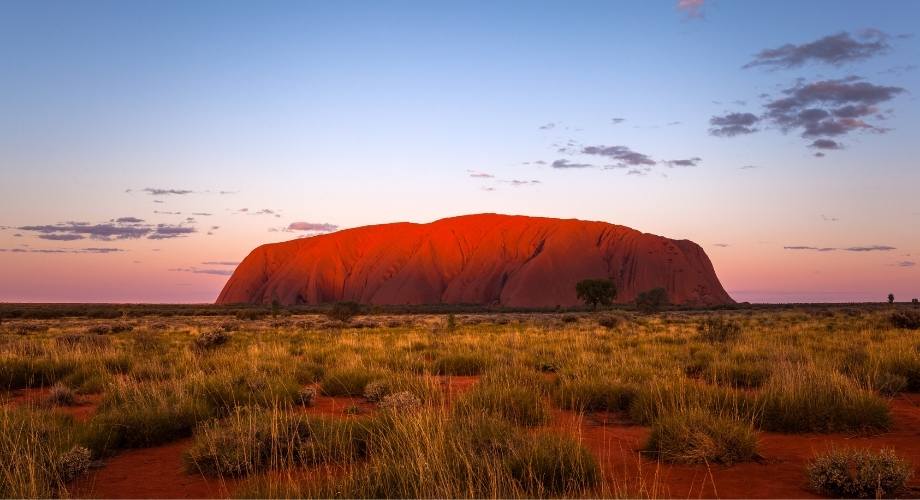
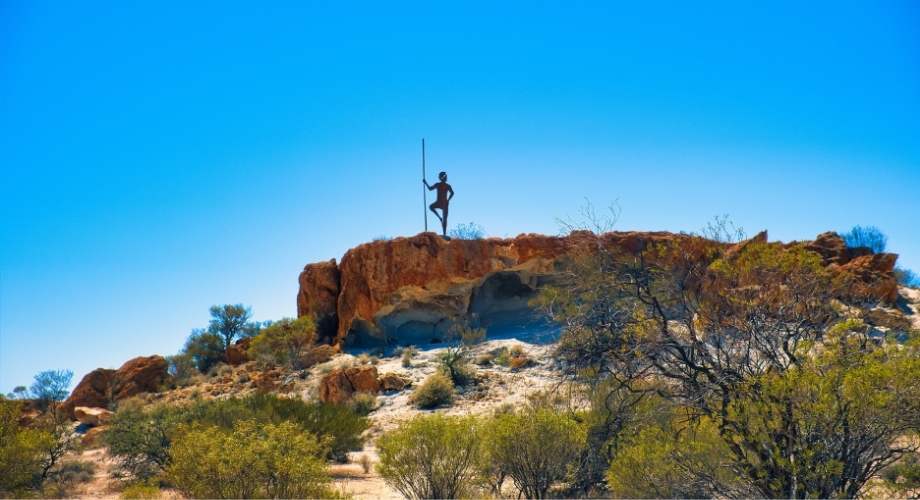
Aboriginal cultures are the world’s oldest continuous living cultures as they have existed for over 60,000 years and many of these cultures have made Australia their home. This concept of home is reflected in what the Aboriginal people refer to as Country, a living spiritual relationship between the people and this place that sustains them. Aboriginal Tourism gives visitors real experiences that explore the art, storytelling and ceremonies directly from the custodians of this culture.
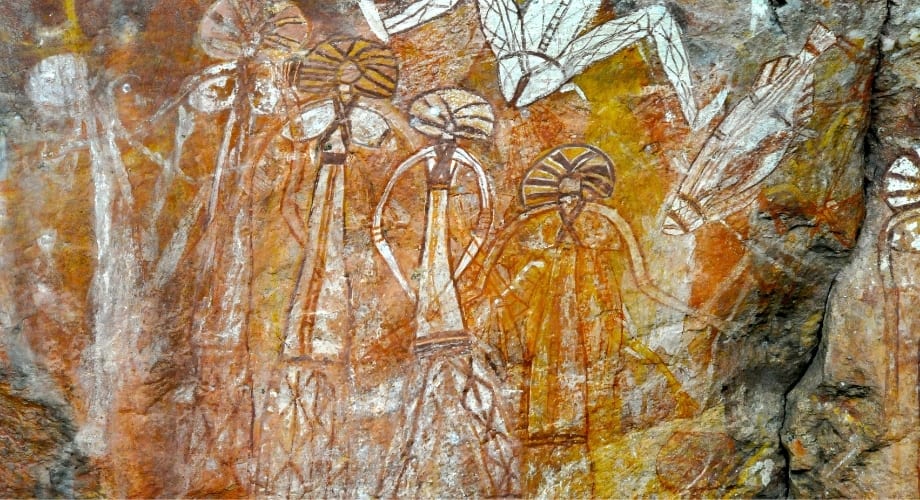
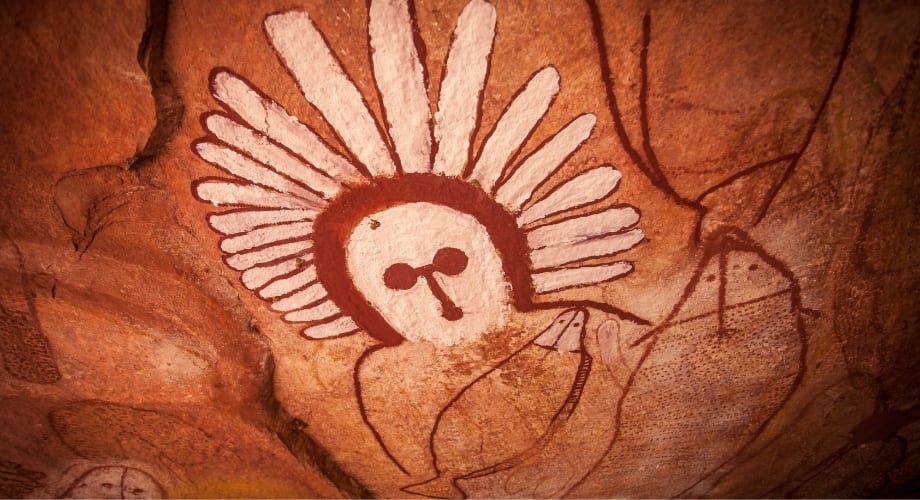
The Kimberley region of Western Australia is home to the Worrorra, Ngarinyin and Wunambal people and their art dates back thousands of years in the form of the Wandjina Figures and the Gwion Gwion paintings.
The Wandjina Figures are said to be between 2000 to 4000 years old, and they depict the creation spirits or ancestor spirits as anthropomorphic beings. These paintings are repainted by assigned custodians from the Aboriginal tribes so their connection to their past continues.
The Gwion Gwion paintings are even older as they are said to be over 12,000 years old! There are millions of rock paintings that belong to this group and they depict human figures in various forms of motion.
You can also visit these incredible places by accessing the Munurru Campground during the dry season and book a tour with the local rangers and guides when you get there. You’ll need to book the Uunguu Visitor Pass first and then book your stay at the camp ground in person.
The Mowanjum Aboriginal Art & Cultural Centre is a museum and hub for artists and custodians from the Woddordda (Worrorra), Ngarinyin and Wunambal Gambera language groups. They maintain the art at these sites and you can support them by visiting the museum.
Australia hosts dozens of Aboriginal cultural tourism attractions ranging from didgeridoo (native wind instrument) performances to dot painting workshops with local artists and walking tours across Aboriginal Country. There is much to explore here and Kimberley in Western Australia is a strong starting point.
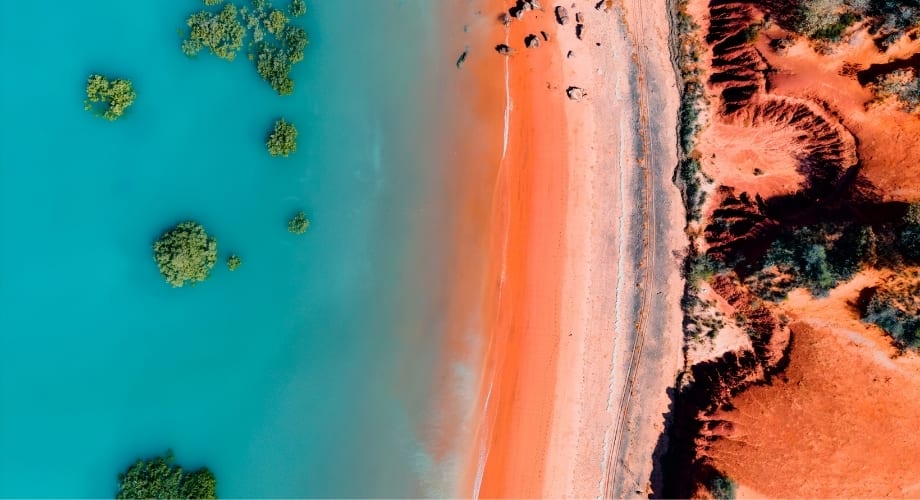
Located in the Roebuck Bay, Broome, this property offers excellent access to the Aboriginal cultural tours in the Mitchell Plateau and the Kimberley region. It’s just a 5-minute drive from Broome International Airport, which is the most convenient way to get to this region of Australia.
There are a number of Aboriginal art galleries in Broome and it’s also the starting point for Mabu Buru tours, where visitors can learn about Dreamtime storytelling and traditional cooking demonstrations from Aboriginal guides and the Lurrajarri Heritage Trail led by the Goolarabooloo people.
5. New Zealand - Meeting the Maori
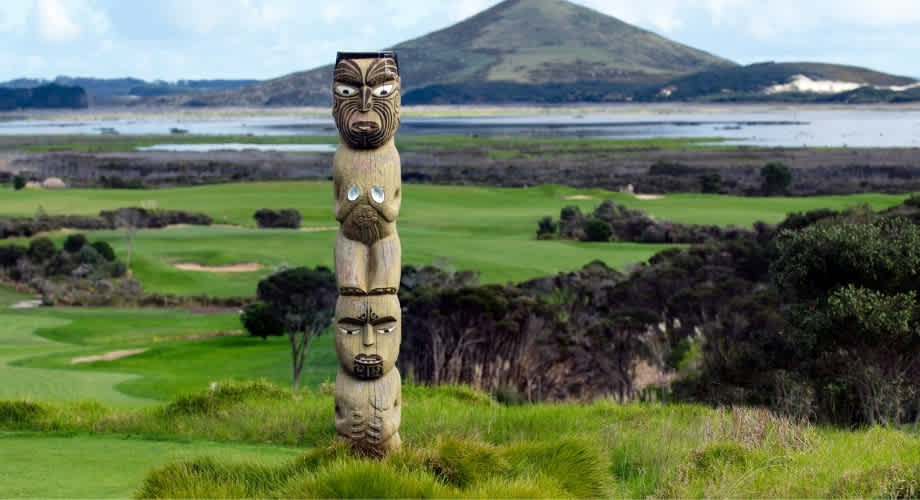
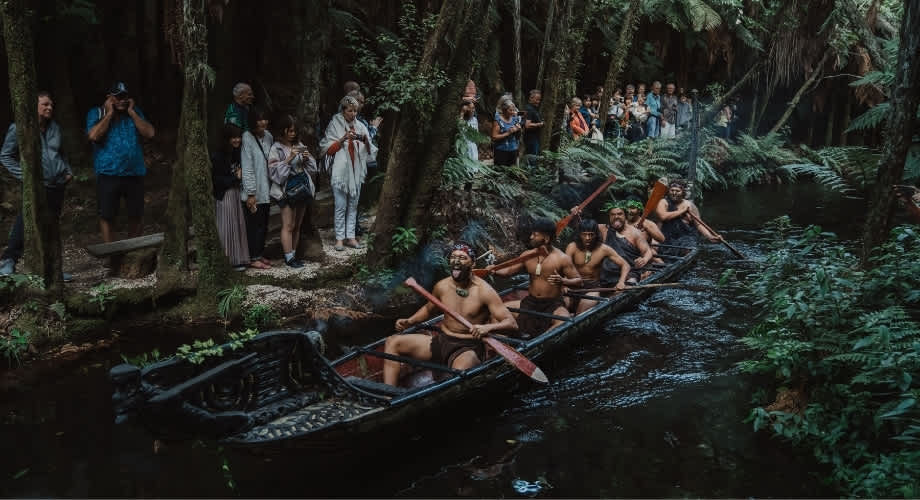
The Maori of New Zealand have a rich and proud heritage that is known around the world but this culture is even more compelling when you hear it in their own words. Tāmaki Makaurau (Auckland) is a great gateway to Maori culture and Te Manu Taupua will guide you through Auckland’s rich indigenous history. Their ‘Maungawhau - Heaven and Earth’ experience is a half-day tour that features stories about the culturally significant places in Auckland and it shows how the Maori community revived their connection with the city and their heritage.
Another Maori-led social enterprise is Te Ihu o Mataoho, which shows visitors how the Te Ahiwaru people connect with each other and their land. Go on a guided hiikoi (walking tour) to hear stories about how the Maori arrived in the area and how they trace their lineage over the years or try workshops about Maara (traditional gardening practices), Rongoaa (harvesting plants for medicinal purposes), and more.
An hour north of Auckland stands Te Hana Te Ao Marama Cultural Centre, where visitors can get a real in-depth look at how the Maori lived before the Europeans arrived. Here you can experience the pōwhiri (traditional Maori welcome) and marvel at fully reconstructed, pre-colonial pa (fortified Maori village). Advance booking is recommended for all the indigenous tours we have mentioned here.
The Oaks Auckland Hotel’s central location makes it easy to get around Auckland and to any of the tours listed above. The hotel has apartment-style accommodation for larger families and it is also quite close to the Auckland Waterfront and Britomart, which is a major rail and bus station hub. This connectivity helps you reach destinations like Te Hana Te Ao Marama Cultural Centre or make it more convenient for longer trips to other popular destinations such as Rotorua, which is South of Auckland.
6. Thailand - Hill Tribes of the Golden Triangle
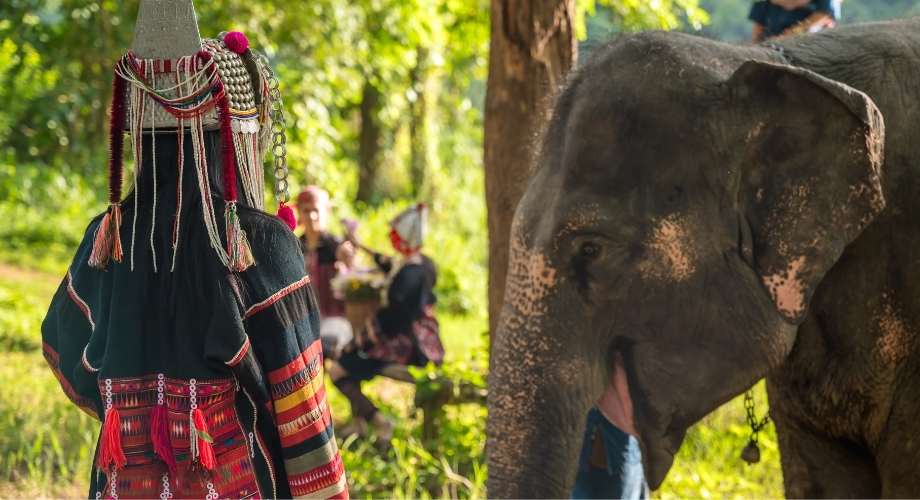
The Golden Triangle region spans the countries of Thailand, Laos, and Myanmar and it is home to the Akha, Karen, Hmong, Lahu and Lisu peoples. These people groups are split up into many indigenous tribes but we will look at how you can experience their culture from Chiang Rai in Northern Thailand. Tourism surrounding the hill tribes of the region has been very exploitative in the past with numerous bad actors either profiting from the locals or leading visitors to tacky and contrived settings.
Ban Lorcha is an Akha village that gives visitors and more importantly, the community, equal beneficiaries in a cultural exchange setting. The Chiang Rai Population and Community Development Association (PDA-Chiang Rai) worked with the local Akha community to showcase their dynamic culture. Visitors are now treated to a richer cultural experience ranging from traditional hunting techniques, weaving practices and ceremonial dances led by the locals.
PDA-Chiang Rai also features tours with homestays across the region in multiple Akha, Lahu and Lisu villages. Each of these villages feature tourism activities decided by the local community and all the proceeds from these activities are invested back into the community.
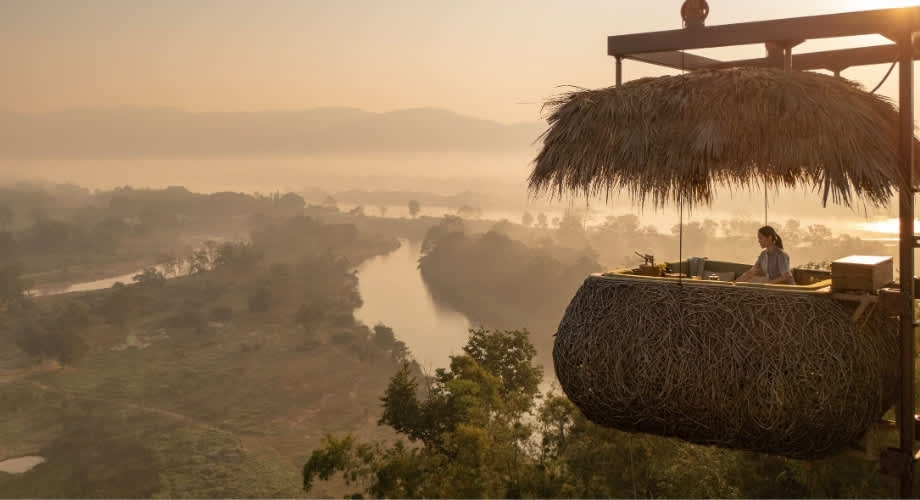
Perched on a ridge overlooking the borders of Thailand, Laos and Myanmar, the Anantara Golden Triangle Elephant Camp & Resort is unlike any other jungle getaway. Its view of the Golden Triangle is unrivalled and the 160-acre bamboo forest that surrounds the resort, has lush gardens and rice paddies as well Thailand’s beloved elephants to keep guests company.
The resort is located north of Chiang Rai city but the hill tribe villages dot the region and you can book tours to these villages from the concierge or through PDA-Chiang Rai. You can also visit the tea plantations at Doi Mae Salong and visit the nearby House of Opium Museum to learn more about the notorious opium trade that the region was known for.
Apart from the cultural activities, the resort is an elephant camp and features Jungle Bubbles, which are transparent, air-conditioned abodes where guests can stay overnight to enjoy up-close views of the elephants and night sky. You can also choose to relax in the Anantara Spa and dine at the Canopy, a unique tree top dining experience that gives you incredible views of the jungle.
Supporting Indigenous and Aboriginal Tourism
For many decades, supporting indigenous communities has been a slow process because of societal and economic factors. External tour operators would design tours, sometimes cutting out the indigenous communities from the process, this led to awkward or improper interactions. This dynamic is shifting as the indigenous tourism model makes it clear to visitors that there is better choice for them to meet new cultures.
Now, the indigenous communities decide how to tell their stories, and they also get to keep their traditions free from outside influences. This control and ownership give future generations enough incentive to preserve their traditions and stay in their communities rather than moving out for economic reasons.
Visitors benefit from receiving authentic experiences from communities who are proud to share their culture. Travelers receive fair value and the money spent on cultural activity directly benefits the community. These experiences prove more meaningful as they create genuine value for both the community and visitors to engage in a responsible manner.
From meeting the Maasai in Kenya and Tanzania in their villages or immersing yourself in the customs of various tribes in Zambia offers a glimpse into the rich diversity of indigenous communities in Africa. Native American tribes have found new ways to showcase their ancient rituals while protecting their roots.
Aboriginal tourism has changed the lives of many tribes especially in Australia’s Kimberley region as they are now celebrated for their unbroken ancient roots into prehistoric human civilisation. More visitors are learning about Auckland through the stories and traditions of the Māori, who are the indigenous people of Aotearoa. The hill tribes of the Golden Triangle are reclaiming their region and proudly displaying their culture without fear of exploitation.
By choosing indigenous-led experiences, you get the chance to learn, connect and leave both the community and yourself enriched.