Hemingway called it a feast. Balzac likened it to an ocean. Whoever's right, the takeaway is the same: Paris offers a wealth of things to see and do. The challenge, then, is how to condense this vast and varied city into a compact three-day trip, one that won't leave you completely exhausted by the end of it.
Complicating matters is the fact that Paris often rewards a slower approach. Crossing neighbourhoods on foot or whiling away an hour or two at a café are very much part of the experience. Yet the average visitor will feel shortchanged if they leave without experiencing at least a few of the major sights.
In putting together our three-day Paris itinerary—suitable for both couples and families—we've tried to strike a balance between the two. There are some notable omissions, including the Arc de Triomphe, Champs-Élysées, the Galeries Lafayette, and the lovely Jardin du Luxembourg. You can always swap in any of these if they better suit your interests. And it's worth reminding yourself that you don't need to do it all in one trip. As with any feast, it's important not to overindulge.
Paris—What to See in 3 Days
Day 1: Left Bank Explorations
Eiffel Tower → Rue Cler → Champ de Mars (optional picnic) → Les Invalides → Musée d'Orsay → Saint-Germain-des-Prés → Dinner
Day one is also our busiest, so after breakfasting at the hotel it’s time to get moving. And where better to kick-start our three-day Paris trip than at the most famous of all Parisian attractions?
No, not the Paris Sewer Museum (though it's also worth your time), but the Eiffel Tower.
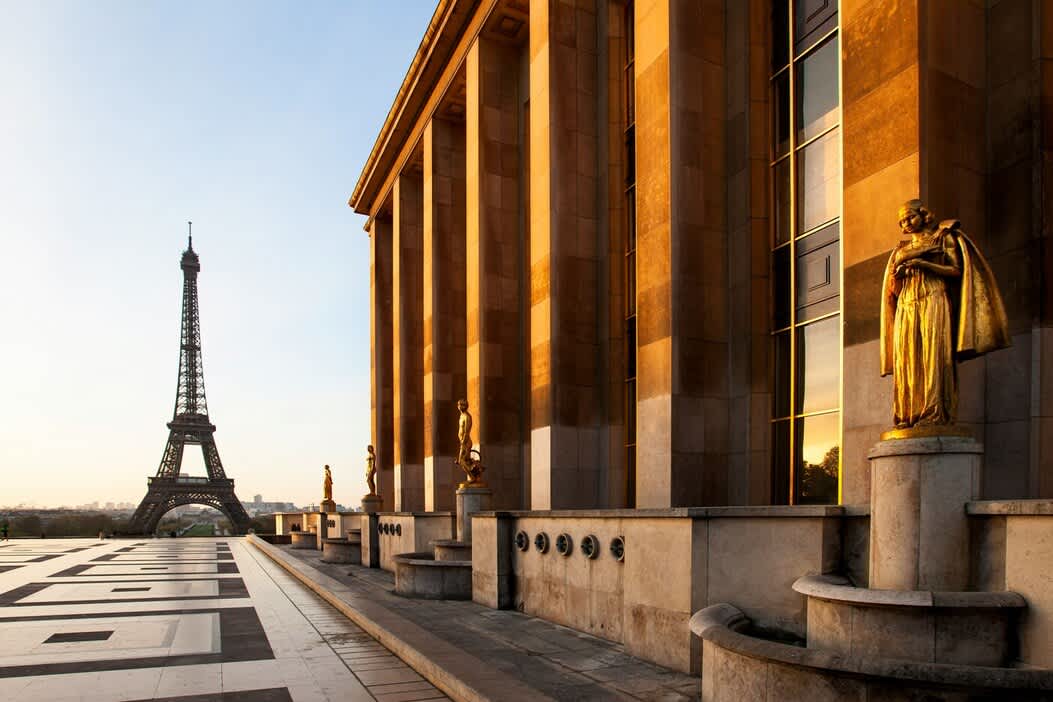
Visiting Paris without going up the Eiffel feels almost sacrilegious—like eating a crêpe without any filling. Originally envisioned as a temporary structure for the 1889 Exposition Universelle and initially despised by the intelligentsia of its day, the tower has since become so synonymous with Paris that it’s hard to think of the city without picturing its tapering iron form.
Get there as close to opening time as possible to beat the queues, ideally with a timed ticket booked through the Eiffel Tower's official website. If you're feeling up to it, take the stairs to the second floor—674 steps in all—where the elevator line is usually shorter than on the ground floor. From there, you can continue to the summit, though the views from here are spectacular in their own right.
A visit to the Eiffel Tower can easily take up an entire morning, by which time you'll likely be feeling peckish. Rue Cler, a typically Parisian market street, is a short stroll away and makes a good spot for lunch—Café du Marché is our pick. Alternatively, grab a jambon-beurre and head over to the Champ de Mars, though try not to let the food spill out of your mouth as you gaze in wonder at the tower.
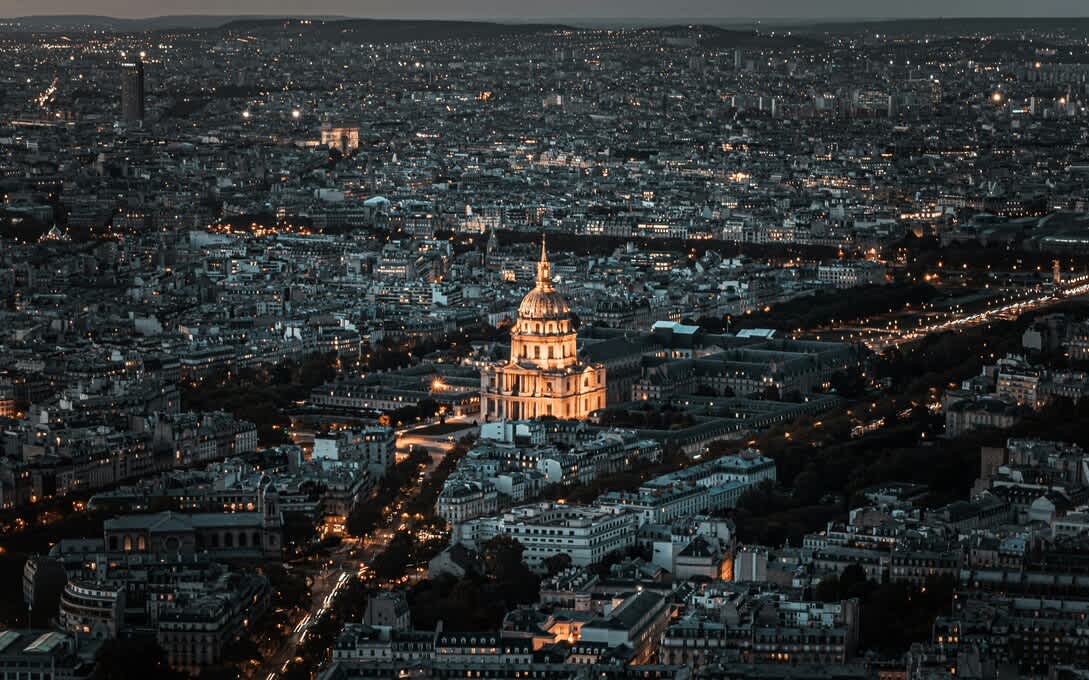
From here, make your way towards the Seine, heading east. You'll soon pass Les Invalides, the 17th-century complex built by Louis XIV to house wounded soldiers. Military buffs may want to stop at the Army Museum; otherwise, take a moment to admire the building's gilded dome before continuing towards the Quai d'Orsay.
Shortly, you'll reach the Musée d'Orsay. Housed in a stunning, former Beaux-Arts railway station, the museum holds one of the world's greatest collections of Impressionist and Post-Impressionist paintings. It is advised to book a timed entry, and remember that the museum is closed on Mondays.
You could easily spend half a day here, but we have plenty more to see and do on our three-day Paris itinerary, so we'll limit ourselves to a couple of hours.
After goggling at Van Goghs and gorging on Gauguins, it’s time to press on. The day might be running away from us, but that's fine: the cobblestoned streets of Saint-Germain-des-Prés have a certain magic as evening draws in.
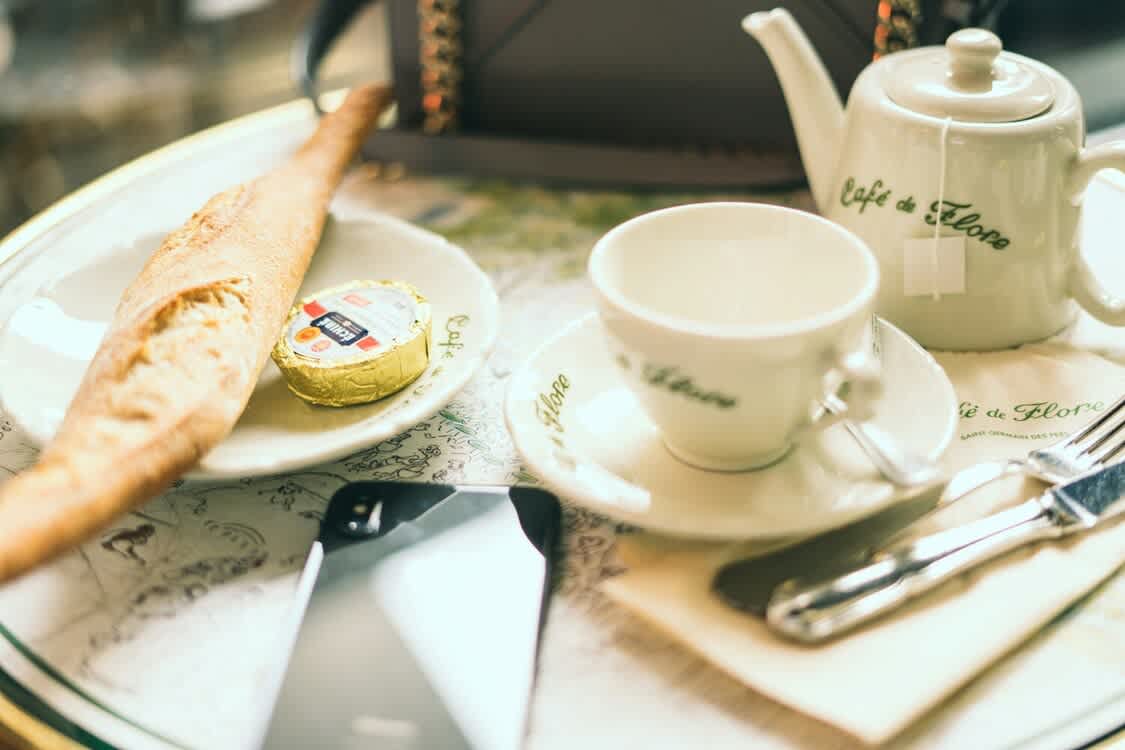
One of Paris's most fashionable neighbourhoods filled with galleries and boutiques, Saint Germain also has a long literary pedigree. You should at least walk by Les Deux Magots or Café de Flore, the two legendary cafés frequented by the likes of Joyce, Hemingway, Sartre and Camus.
There's no shortage of esteemed eating venues in the area. Consider Le Procope, Paris's oldest café (1686), which serves traditional dishes in a historic, candlelit setting. Or head north to Bouillon Chartier, a grand Belle Époque dining hall renowned for affordable French classics such as steak frites and pot-au-feu. Whichever restaurant you choose, it's best to book ahead.
Day 2 of a 3-Day Paris Itinerary: City Centre Wanderings
Musée du Louvre → Palais Royal → Jardin des Tuileries → Place de la Concorde → Île de la Cité → Notre-Dame → Sainte-Chapelle → Shakespeare and Company → Latin Quarter
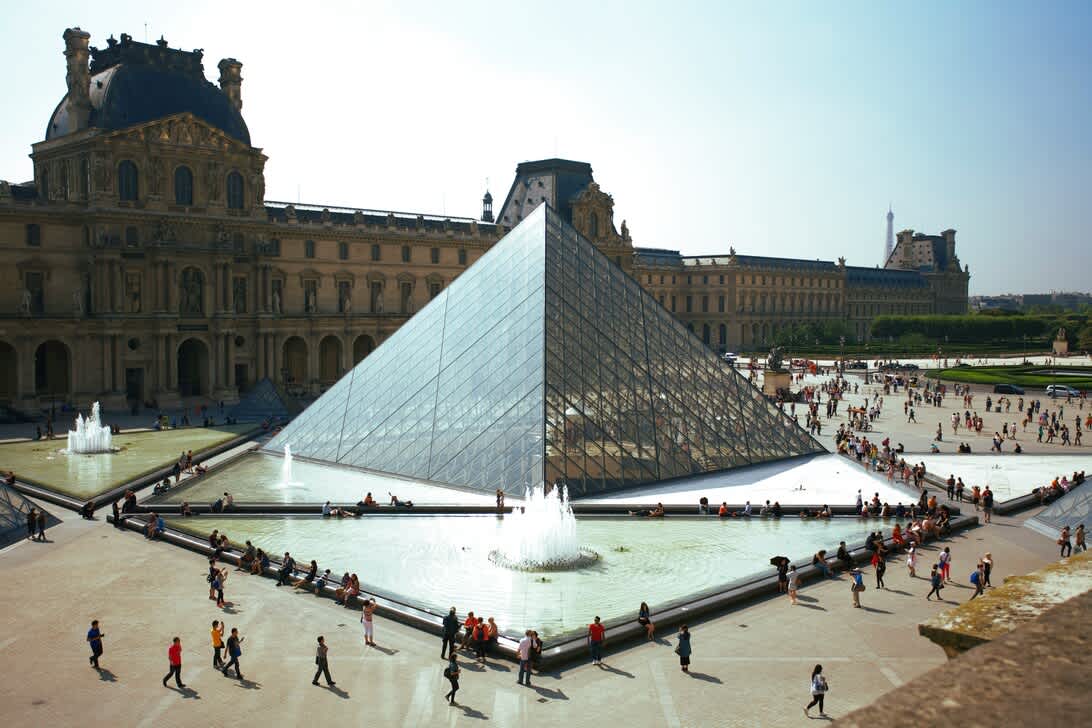
Our second day in Paris begins with an early-morning visit to the Musée du Louvre, arguably the world's most famous museum. With some 35,000 works on display across three wings and several floors, this is another destination that can seriously consume your time—indeed, you could spend all three days in Paris at the museum and see only a fraction of its vast collection.
Once again, timed tickets are a must to avoid the worst of the queues, and remember the museum is shut on Tuesdays.
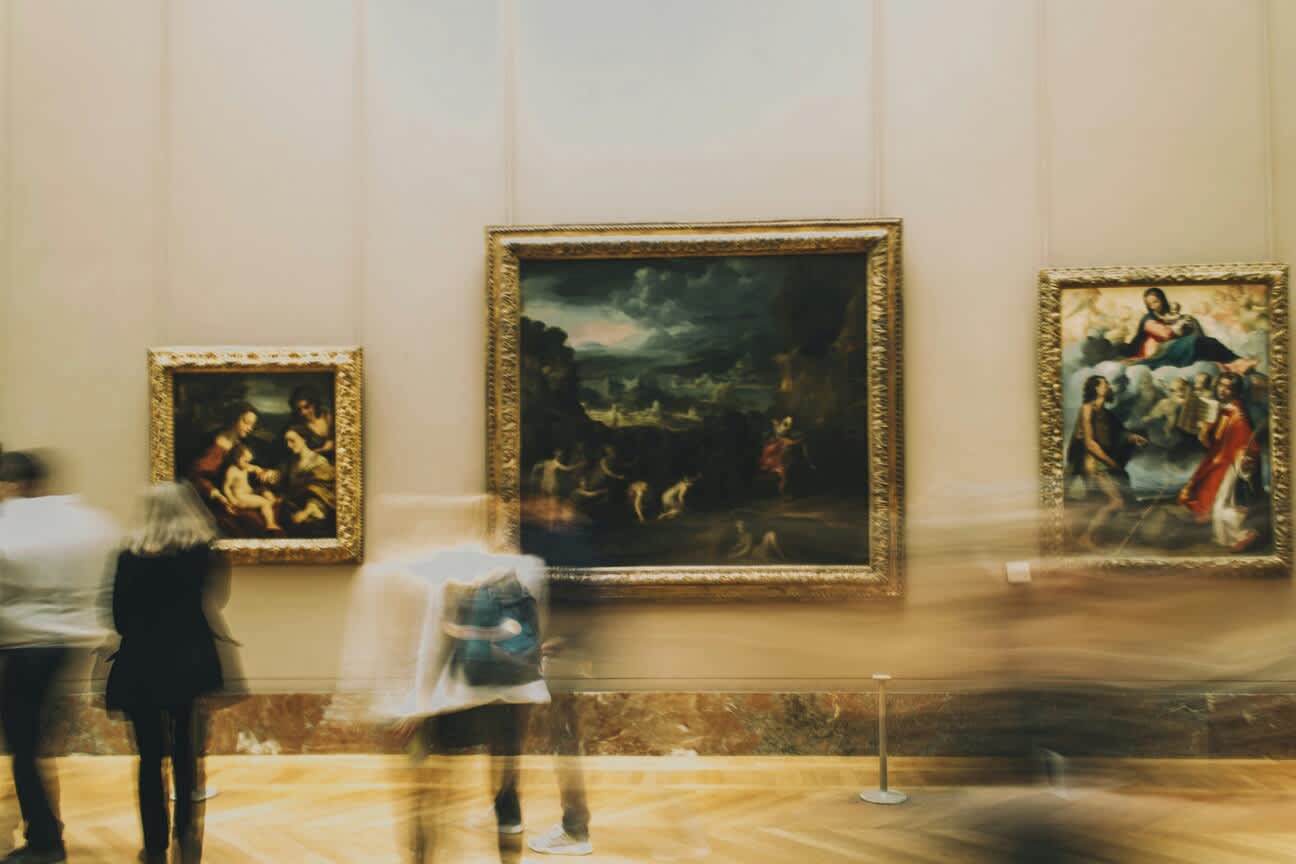
We suggest focusing your visit on a few key exhibits while savouring the building's sumptuous architecture, shaped by multiple French rulers.
On the ground floor, be sure to see the Great Sphinx of Tanis, the Venus de Milo and the Winged Victory of Samothrace, and don't miss the dreamlike opulence of the Galerie d'Apollon. In the Grande Galerie, you'll find masterpieces by the great Italian painters, with da Vinci's Mona Lisa chief among them—though you'll likely have to press your way through the crowds to get a look at it. The Cour Marly, with its soaring glass roof and array of monumental statues, is also a must.
The Louvre has several options for eating, including Café Marly and Café Richelieu. Alternatively, you can lunch at nearby Le Grand Colbert and indulge in its fin-de-siècle atmosphere.
Leaving the Louvre, check out the baroque Palais Royal immediately to the north. Then head towards the Jardin des Tuileries, just west of the museum. On sunny days, Parisians sit on the green metal chairs to chat, while children sail toy boats on the fountains. The boats can be rented, making it a pleasant diversion for younger travellers.
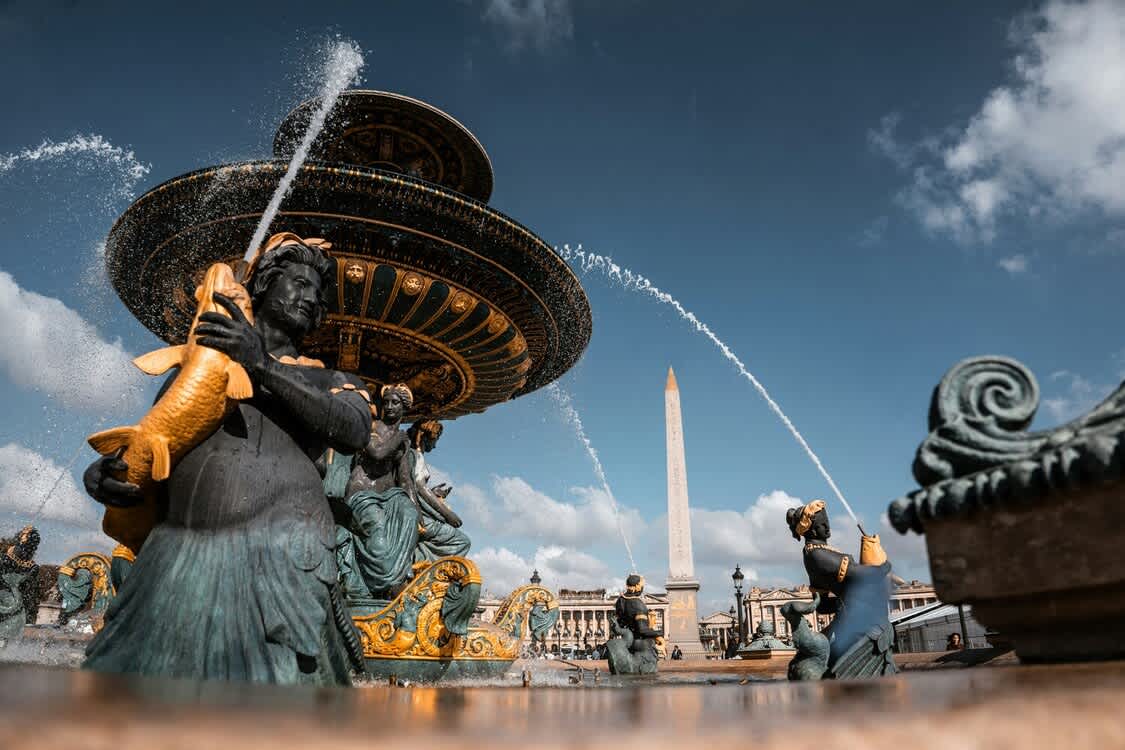
At the western end of the gardens, you’ll arrive at the Place de la Concorde with its Egyptian obelisk (transported to France from Luxor in 1833 during the reign of Louis-Philippe).
The Place de la Concorde also marks the beginning of the Champs-Élysées, Paris's most illustrious avenue. We, however, will double back, following the Seine eastwards towards Île de la Cité, the historic heart of the French capital.
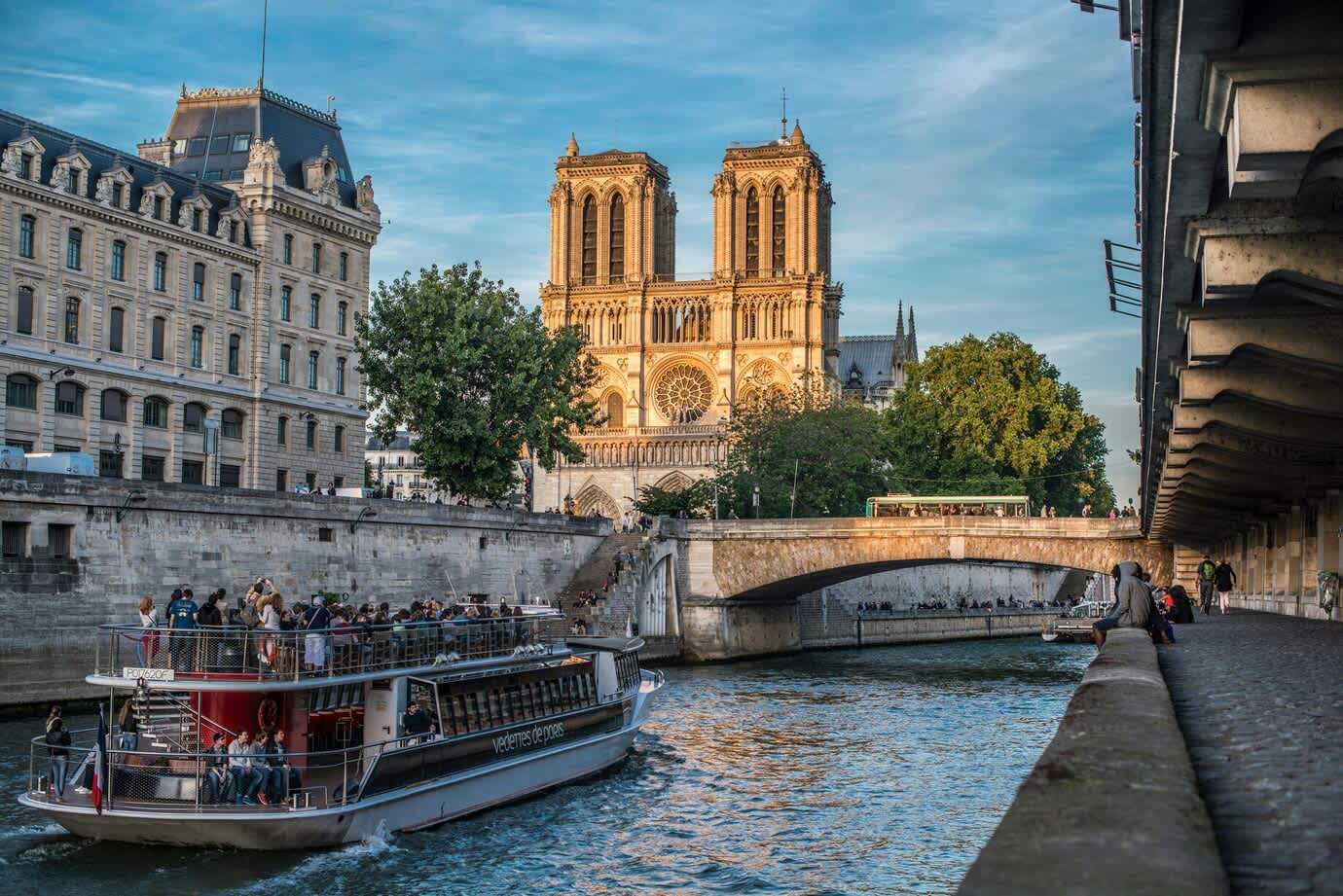
Île de la Cité dates back to the third century BCE (the name “Paris”, incidentally, derives from the Parisii, the Celtic people who inhabited the region before the Roman conquest; not after Paris of Troy, as commonly assumed). The island's most famous landmark is, of course, Notre-Dame de Paris, a masterpiece of Gothic architecture whose construction began in 1163 and took almost two centuries to complete.
The cathedral reopened in late 2024 following a painstaking restoration after a devastating fire. Take a moment to appreciate the incredibly detailed façade—see if you can spot the famous gargoyles—and the flying buttresses on either side. Notre-Dame is free to enter, although queues can be long. A time slot can also be reserved online.
Somewhat overshadowed by Notre-Dame, Sainte-Chapelle is also well worth checking out. With its star-spangled vault and towering stained-glass windows set in their lofty stone frames, a visit here can feel like you're standing inside a forest clearing at twilight. Sainte-Chapelle does require a ticket, however, and booking a timed entry in advance is advisable. Again, allow plenty of time for the day's activities before selecting your visiting hour.
If you're travelling with children, a scoop at Berthillon—the city's most celebrated ice cream maker—on nearby Île Saint-Louis should provide an acceptable reward after so much sightseeing.
With the day drawing to an end, there's still time to drop by Shakespeare and Company, the world-famous bookstore on the Left Bank just opposite Notre-Dame. From here, couples can round off the day with a drink at one of the Latin Quarter's many pubs or bars, while families might prefer a traditional bistro.
Day 3: Paris Like a Local
Montmartre → Sacré-Cœur → Place du Tertre → Canal Saint-Martin (optional picnic) → Marché des Enfants Rouges → Le Marais → Dinner
After a couple of days exploring the city’s key attractions, day three of our Paris tour is designed to be more relaxed, with fewer queues and more time to wander and explore.
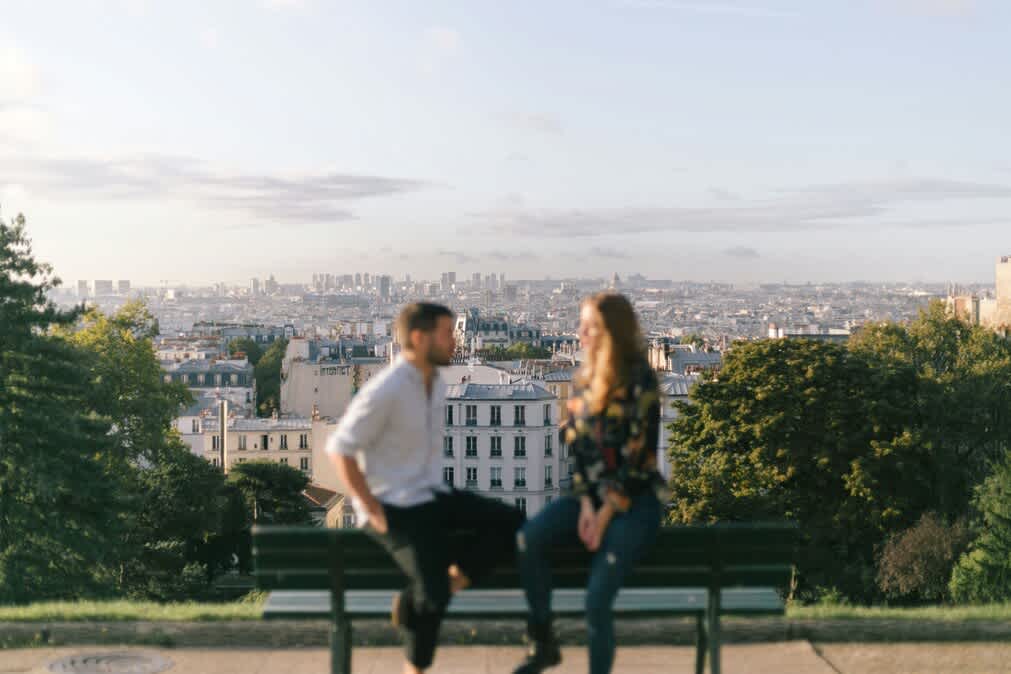
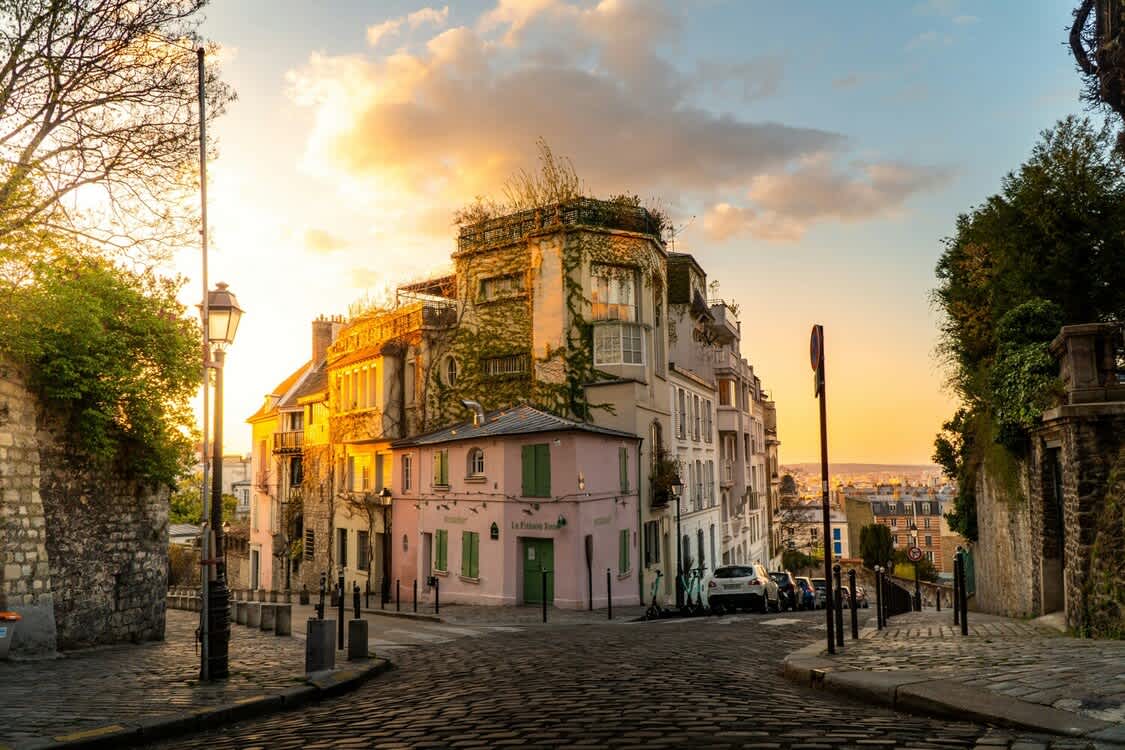
We begin in Montmartre, the fabled neighbourhood in northern Paris that has long been associated with the city’s artistic heritage. Take your time to meander along its steep, winding lanes, passing small squares and ivy-clad villas as you make your way towards the Basilica of the Sacré-Cœur.
Situated atop of 222 steps, the basilica offers exceptional views across central Paris. You'll spot several places you've already visited—the Eiffel Tower, of course, but also the glass pyramid of the Louvre and the dome of Les Invalides.
Also in Montmartre is the Place du Tertre, which has the feel of a provincial town square transplanted into the middle of one of Europe's largest cities. Here, the neighbourhood's creative spirit is readily apparent, with rows of artists’ stalls. It is especially atmospheric in the rain, when the glistening cobblestones reflect the light from the surrounding cafés.
Depending on the hour, you can lunch here or take the Metro to Jacques Bonsergent, which is within easy reach of the Canal Saint-Martin—one of the more relaxed areas to visit in Paris during your three-day break.
The canal is located in the culturally diverse 10th Arrondissement. Commissioned by Napoleon Bonaparte to provide the city with a reliable supply of fresh water, these days it makes for one of Paris's most enjoyable urban walks.
In warmer weather, Parisians gather along the canal for picnics, and you may like to join them. Alternatively, continue to the Marché des Enfants Rouges, the oldest covered food market in Paris, where stalls offer everything from Moroccan tagines to Japanese bento. Or keep things simple and opt for a classic French crêpe.
From here, it's an easy walk to the fashionable Marais district, one of the few parts of central Paris to escape Baron Haussmann's sweeping 19th-century redesign. Its narrow, winding streets are now home to galleries, boutiques and fashionable bars.
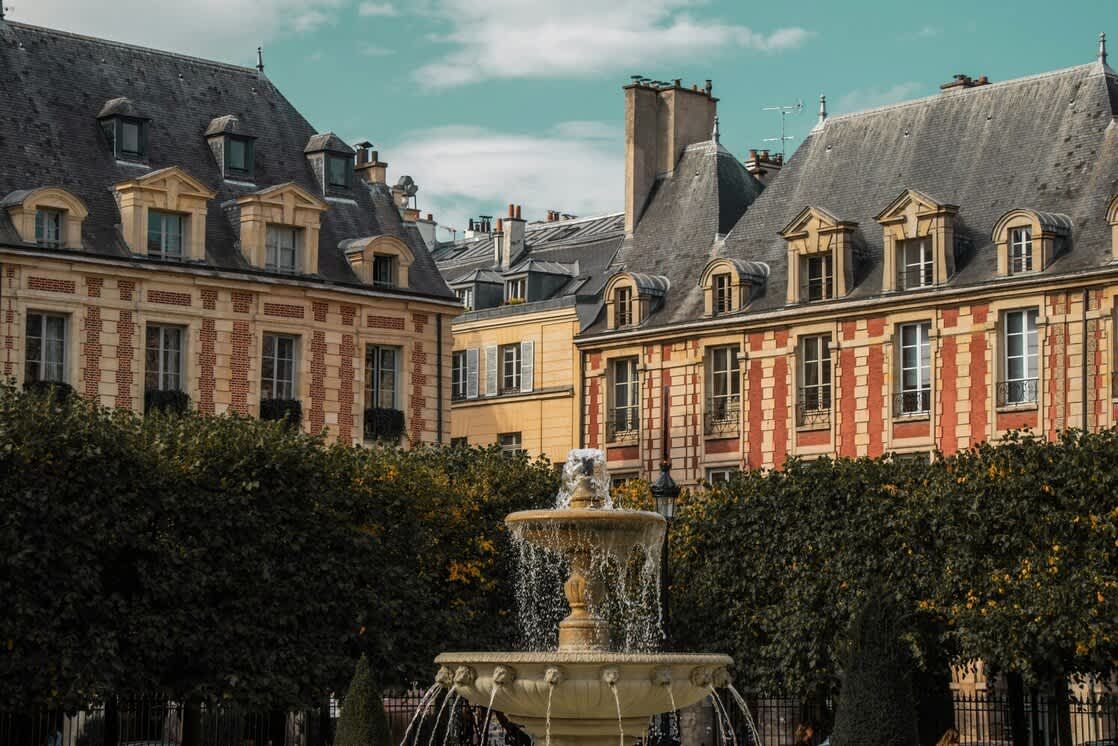
Wander at your leisure, although make a point of visiting the Place des Vosges—Paris's oldest planned square and one of its finest—and be sure to stroll along the Rue des Archives to appreciate the neighbourhood's unique architectural mix.
For dinner, try Chez Janou for provençale fare. If you find yourself drifting towards the eastern end of Le Marais, Bofinger is another excellent option. What better way to bring our three-day Paris itinerary to a close than with a carafe of wine and traditional Alsatian cuisine in a gilded Art Nouveau setting?