Portugal’s capital enchants all-comers with rich intertwined layers of history, culture and creativity that shape its charming neighbourhoods.

Set on the northern shores of the River Tagus as it winds its way towards the Atlantic, continental Europe’s westernmost capital is also among its oldest cities – and most captivating. While a sun-kissed climate makes Lisbon a wonderful year-round destination, it comes alive in spring and summer as rising temperatures allow its alfresco spirit to shine through. Here we plot a course through this majestic maritime city.
In Praise of The Old
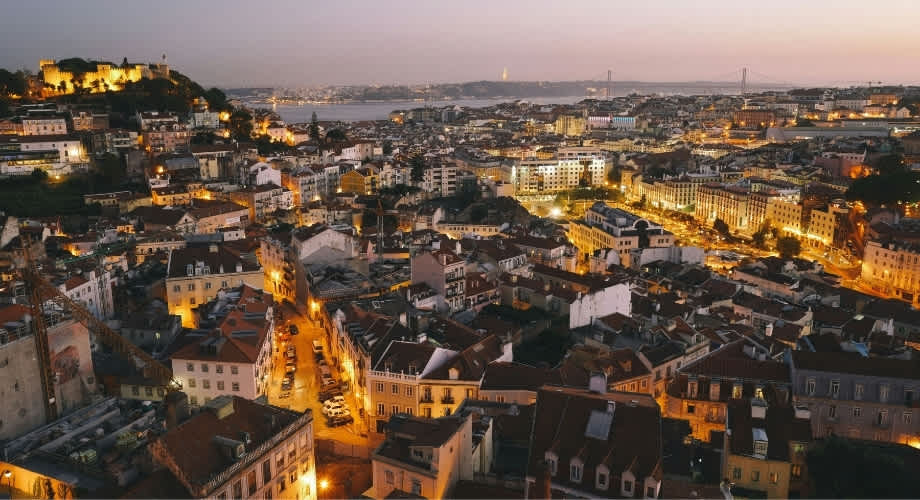
From the seafaring heritage of the atmospheric waterfront to the medieval streets that lead to its seven hilltops, Lisbon’s eventful past informs an equally evocative present. A thriving port and trading post for Phoenicians, Greeks, Romans and Moors at various junctures, this diverse history can be traced across a stunning cityscape defined by tile-fronted landmarks, pastel-hued townhouses and myriad gardens and parks.
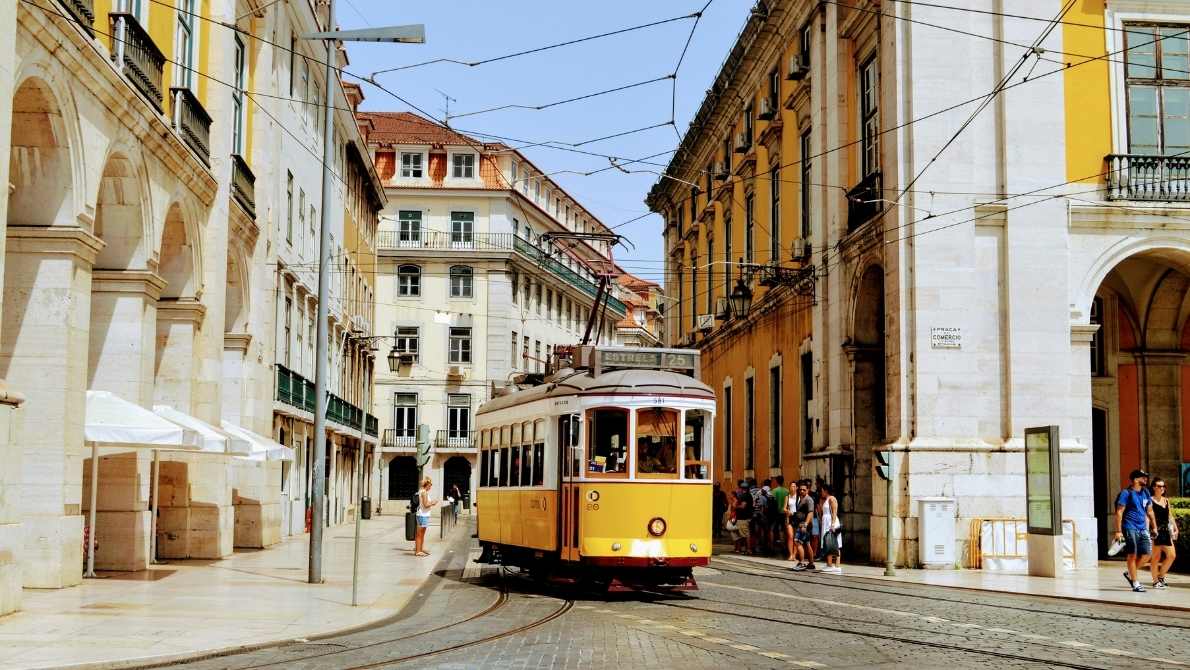
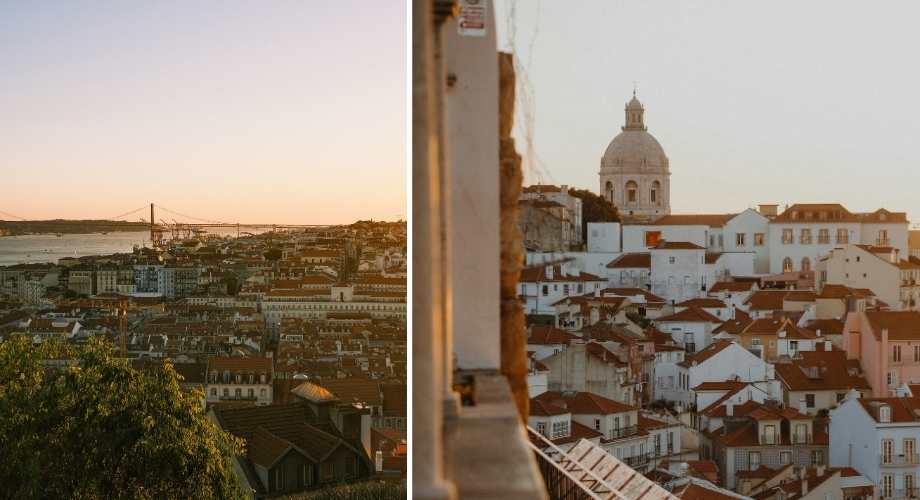
In its historic heart, Lisbon’s languid daily rhythms unfold as locals sip a café pingado (espresso with cold milk) at old cafés and buy newspapers from Art Nouveau-era kiosks. Among the medieval façades of the Alfama district and the elegant squares of Baixa and Chiado, city workers disembark the iconic yellow trams and traditional tascas plate up time-honoured dishes for lunch. Later in the afternoon, locals and visitors alike gather at miradouros (viewpoints) to see the sun set over the sparkling Tagus – a must-do in any Lisbon travel guide – after which the city’s centre of gravity switches to the bars and restaurants that define the dynamic districts of Bairro Alto and Cais do Sodre.
A Luxurious Landmark
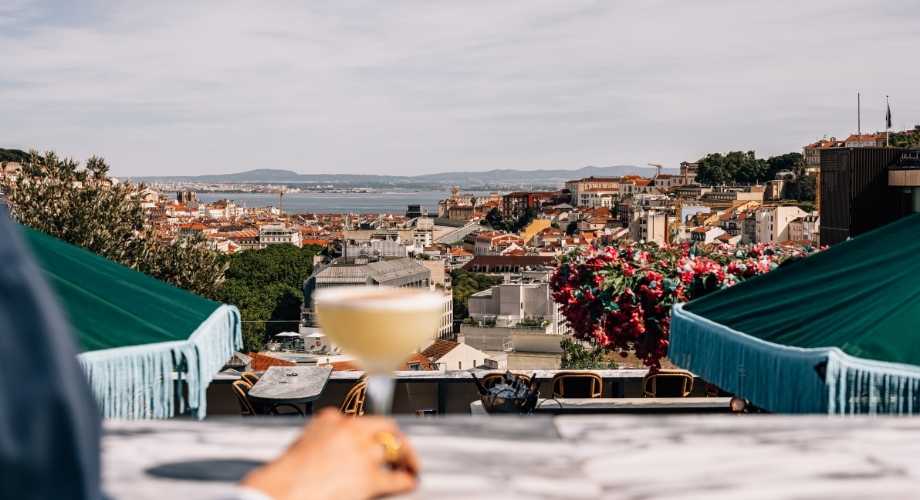
Extending northwest from the great Rossio square to the green expanse of Parque Eduardo VIl, Avenida Liberdade is Lisbon’s most sophisticated stretch. Here, amid its wide cobbled pavements, Neoclassical façades and luxury shopping outlets, Tivoli Avenida Liberdade Lisboa Hotel stands out as one of the city’s statement addresses. Dating back to the 1930s and reimagined by architect Pardal Monteiro in the 1950s, it sits within easy reach of Lisbon’s most compelling corners. Along with 264 refined rooms and suites, an Anantara Spa and pool set amid lush foliage and rooftop bar with sweeping views set the scene at a favourite fixture on this storied boulevard.
A Song and a Dance
After dark, an amble into nearby Alfama provides a glimpse of Lisbon’s cultural heritage. Emerging from the working-class communities living on the city’s waterfront during the 19th century and defined by its lyricism and melancholia, fado has become known as the Portuguese blues. Its haunting sound can be found across a characterful seam of iconic bars including Mesa de Frades and Tasca do Chico, whose live performances are steeped in drama. Further afield the genre has also proved a springboard for Lisbon’s music scene, with a modern wave of artists melding the classical sound of fado with influences from Portugal’s African diaspora.
East Meets West
Blessed with rich traditions, buzzy markets and an abundance of first-class produce, the city has long ranked among Europe’s top food destinations, where pioneers including José Avillez and Henrique Sá Pessoa have elevated Portugal’s culinary reputation. Another influential figure is Olivier da Costa, who – with a legacy spanning three decades – has done plenty to redefine his country’s culinary credentials. His outpost at Avani Avenida Liberdade Lisbon Hotel, Yakuza by Olivier, sees him skillfully combine Mediterranean flavours with Japanese techniques, rounding off a Lisbon travel guide that blends heritage with contemporary flair.