Help
Help CES innovations as MICE technology trends
Minor Hotels Feb 10, 2026

Minor Hotels Feb 10, 2026
The Consumer Electronics Show (CES) is more than a simple technology trade fair. Today, it has evolved into a global barometer for innovation and sets the direction for how technology will shape the industry in the future. CES directly influences the innovations in the MICE industry, a sector where technology defines competitiveness, efficiency and perceived value.
Today, the business events industry needs technology, as attendees expect unique digital experiences, while organisers feel the pressure to be smarter, more sustainable and more flexible. As a result, CES is becoming foundational for technology in the MICE industry. From advanced digital signage and AI-driven experiences to hybrid event formats and smart venue infrastructure, every innovation is embraced.
The industry relies on these digital solutions. Events are no longer static gatherings; they are dynamic and data-driven experiences that enhance engagement, optimize logistics and improve accessibility to increase return on investment. Organisers are adopting CES-inspired innovations to meet modern expectations in an increasingly competitive global market.
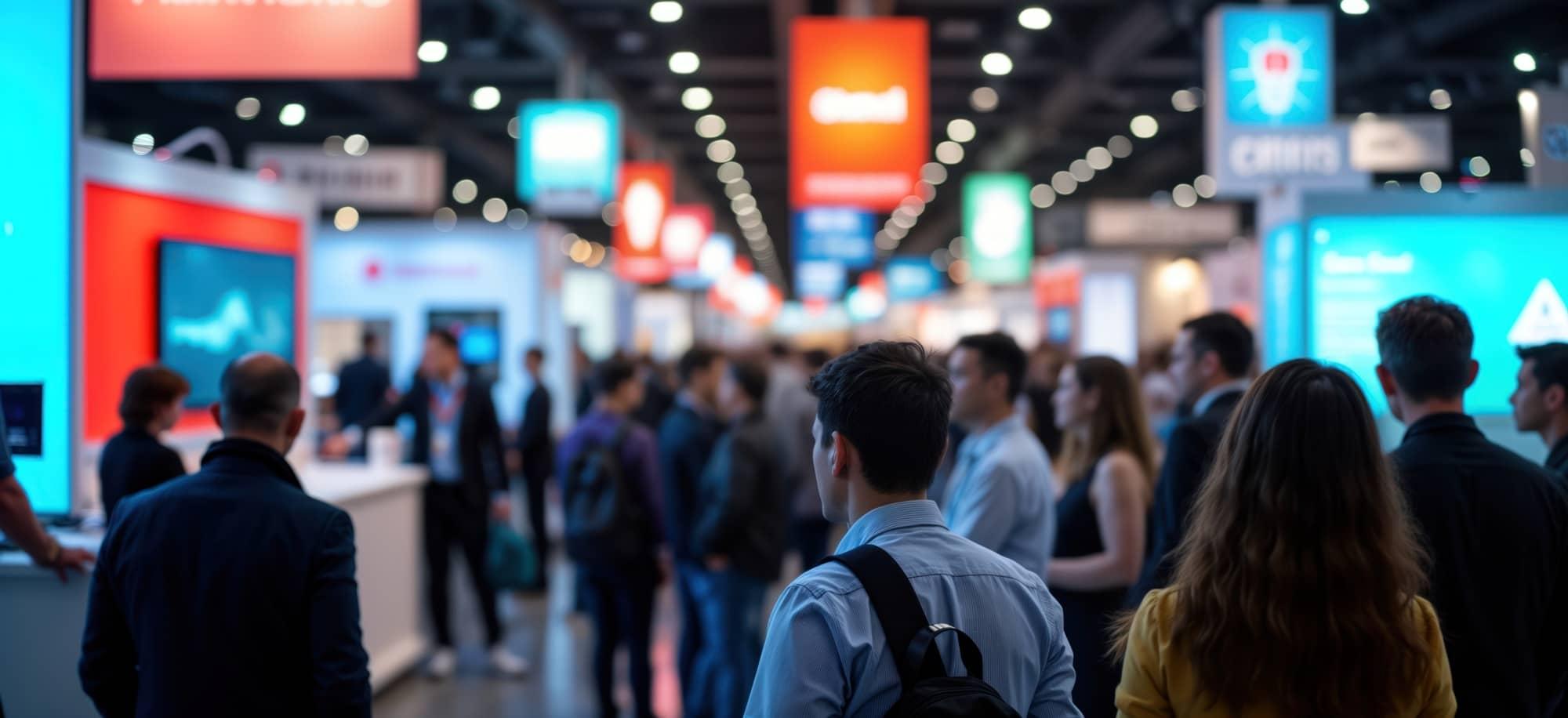
Organised by the Consumer Technology Association (CTA), the Consumer Electronics Show (CES) is one of the biggest technological events and probably the most influential. It takes place once a year in Las Vegas, Nevada, USA, and occupies multiple venues across the city. The entire city is involved, including large convention centres, hotels and purpose-built exhibition spaces. CES brings together thousands of companies, innovators, investors and media from all over the world. It acts as a global meeting point for technology, business and digital revolutions, and its international reach makes it a live test environment for how large-scale events are designed, managed and experienced. CES welcomes hundreds of thousands of attendees and exhibitors who rely on advanced coordination, logistics and infrastructure to function effectively.
CES is highly relevant for technology in the MICE industry, not only for how it operates, as a large-scale event, but also because it serves as a global showcase for the latest event technologies, including AI-powered management tools, immersive experiences and even interactive displays. By considering all of these innovations, MICE professionals can anticipate trends, adopting solutions to improve attendee engagement, and create dynamic, tech-enabled events.
The fair gives unparalleled access to technology providers and startups, acting as a live laboratory where the future of event design and experience is showcased. It is the perfect occasion for learning how to stay competitive and deliver memorable cutting-edge experiences.
How can the MICE industry really use the CES technologies? They encompass a broad ecosystem of tools that are designed to improve experience, efficiency and, most of all, control over events. All technology in the MICE industry refers to digital and automated systems to create innovative events, meetings, conferences and exhibitions. The goal is to create value for both attendees and organisers.
The technologies can be easily grouped into interconnected categories that address specific operational and experiential attendee needs.
For example, one of the most visible innovations that is shaping conferences and exhibitions are advanced display technologies. We are talking about high-resolution LED, OLED and Mini-LED screens that offer more brightness, higher colour accuracy and scalability. At CES, you can expect technologies such as Samsung Micro RGB displays, LG OLED Evo W6 and large-format Mini-LED screens. They all bring visual clarity transforming keynote presentations, exhibition stands and more. Furthermore, they offer paperless navigation, reducing the environmental impact without sacrificing performance.
In practice, those kinds of displays and event technology innovations allow information visibility in larger venues, as well as supporting immersive brand storytelling, and adapt content in real time.
On the other hand, Artificial Intelligence plays a more visible role. AI can help event organisers with attendee analytics, using advances such as AMD Ryzen AI 400 Series chips and NVIDIA Alpamayo. AI is also useful for personalizing the guests’ agenda and predicting crowd control to ensure safety. Thanks to the real time analysis of the behavioural data, the technology can foresee possible congestion points, optimise room allocations. It also offers the attendees tailored recommendations. In a few words, AI optimises event management permitting the planners to take faster and more informed decisions. It helps reduce operational issues and improving the guests’ journey without manual intervention, contributing to more efficient event safety management overall.
It is also important to talk about robotics. This innovation might belong only in the movies, but now it is part of our present. Robots are becoming more practical in MICE technology trends, as showcased at CES. Humanoid assistants, like SwitchBot Onero H1 and ABIGOT can automate venue operations and assist with the attendees’ navigation. Robotics is an accountable field created to support logistics, automate repetitive tasks and offer guidance on site. They are also a great help for cleaning and guarding the attendee’s security. It is true that there is still a learning curve regarding robotics, but they are becoming very common in large-scale exhibitions and innovation conferences.
One of the core pillars of event technology are hybrid and virtual solutions. With high-quality streaming equipment, interactive platforms and multi-camera production, events transcend physical venues into a digital world. With streaming tools such as the NVIDIA RTX 50 Series, participants can connect from the location and beyond, as a remote attendant. It helps achieve global reach and on-demand content ready for consumption. This is especially useful for guests unable to travel, ensuring that their experience is as unique as on-site location, without compromising the quality of their experience.
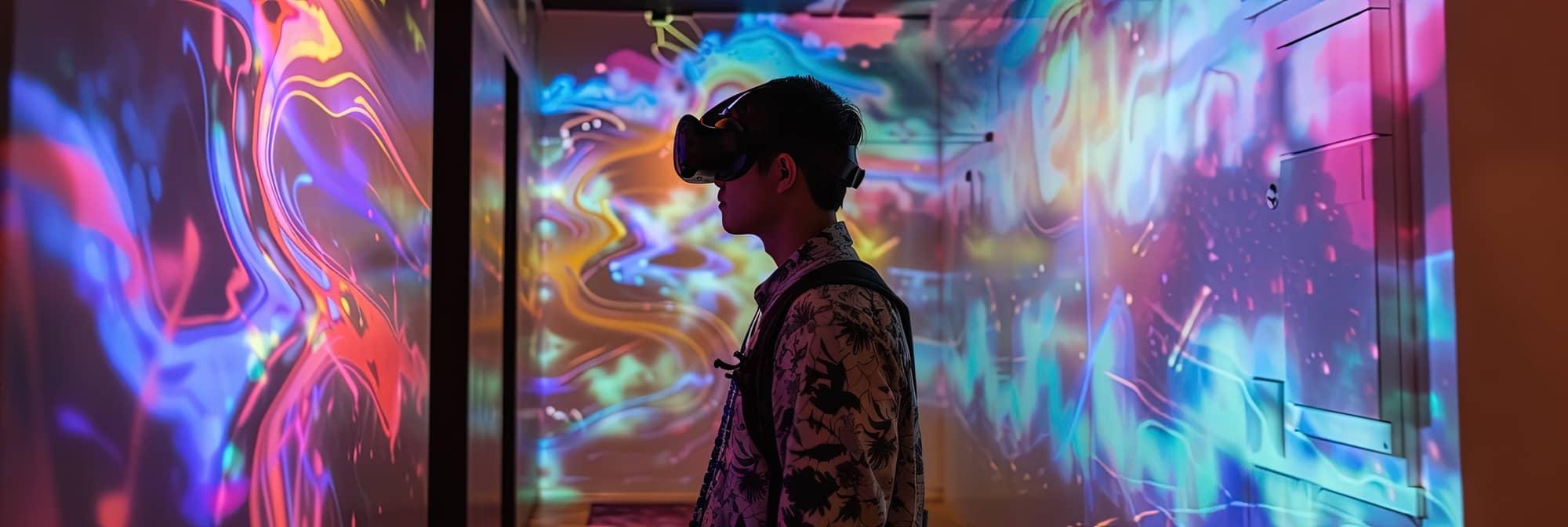
Wearables are in fashion as well, pun intended. They offer immersive assistance that are sophisticated as well as discreet. Smart bracelets and rings enable hands-free interaction for smart venue systems, integrate and change lighting throughout the event. They also access control and environmental monitoring into just one unified framework. Besides, AI-powered earbuds allow real time translation and instant transcription. This is a perfect choice for multi-lingual events, as they improve accessibility for every attendee, breaking down the language barriers.
Strategically integrating these event technology innovations can elevate your brand’s presence and streamline operations. All while aligning events with the audience’s modern expectations. In this digital driven context, technologies are no longer a support layer. They are a central value to showcase how the MICE industry is evolving towards the future while keeping up with the present innovations.
It is true that there are benefits of adopting these advanced MICE technology trends. However, there is also a range of regulatory, operational and technical challenges that, as an organiser, you must address proactively.
One of these concerns is data privacy. Some of the technologies rely on collecting and analysing the attendees’ data. For example, their movement patterns and engagement metrics. Organisers are responsible for ensuring compliance with data protection regulations such as the GDPR, and especially if you are using AI-generated insights and third-party platforms. Always be transparent and ask for informed consent to handle the data, to avoid legal risk and maintaining trust.
AI systems are also about keeping in mind the accountability. Yes, the technology can optimise decision-making, but it must be operated with clear parameters. Do not over-rely on automated insights and always make sure there is human oversight. This will avoid flawed conclusions and errors in complex live environments. Preparing a contingency plan is critical to the well-being of your attendees and your brand’s reputation.
Reliability of event technology innovations is still a key challenge. Hybrid and virtual platforms must deliver consistent performance across locations, bandwidth conditions and time zones. Always test and plan professional and technical support to avoid failures in streaming, translation and interactive tools.
Accessibility is another consideration. You must always keep in mind attendees with visual, auditory or mobility impairments because they require careful planning and expertise. Digital signage, mobile apps and hybrid platforms must comply with international accessibility standards.
Using robotics or IoT systems in the venues also needs to comply with regulatory and safety considerations. Make sure to check the venue regulations on using autonomous devices, sensor-based systems and wireless networks. Staff training is a must regarding safety measures.
In a few words, a successful integration of the technology depends on many factors such as clear operational controls, cross-functional collaboration and a realistic risk assessment. Remember that technology should enhance events, not complicate them.
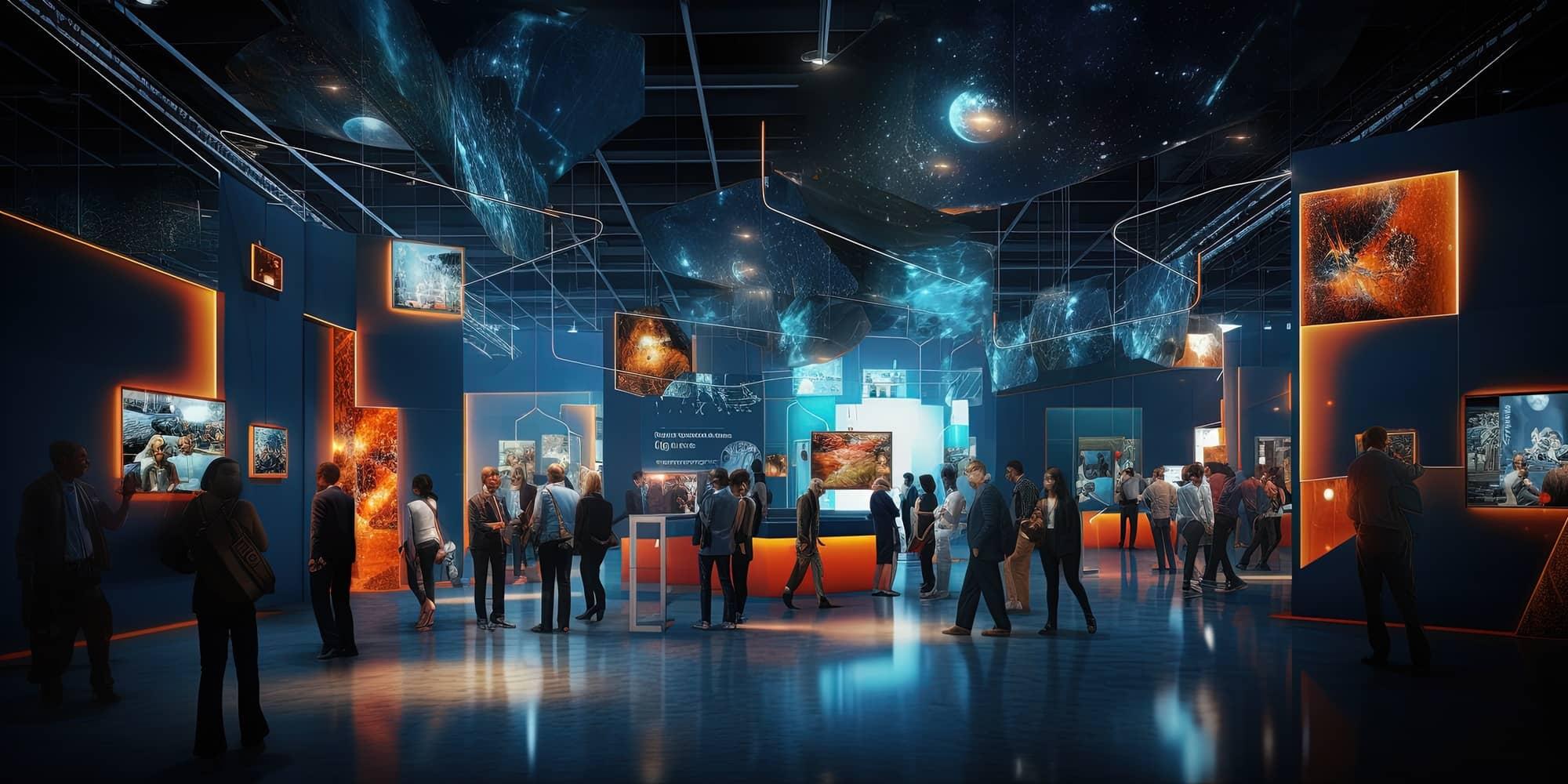
The Consumer Electronics Show (CES) is today a global barometer for innovation. It shapes how technology influences industries worldwide, including the MICE industry.
For Meetings, Incentives, Conferences and Exhibitions, all innovations presented at CES can enhance attendee engagement, improve operational efficiency and increase return on investment. All of it thanks to data-driven thinking, as well as immersive and hybrid event experiences.
Regarding MICE technology trends, attendees are looking for smarter, more sustainable and flexible formats. That is why, CES focuses on offering valuable insight that can be translated into practical innovations such as AI-powered solutions, digital signage and smart venue infrastructure.
Looking ahead to the next CES, MICE professionals should focus on tangible technologies with real event applications. It is not about the innovation for the sake of it, but it is about prioritising attendee experience, sustainability and seamless integration.